



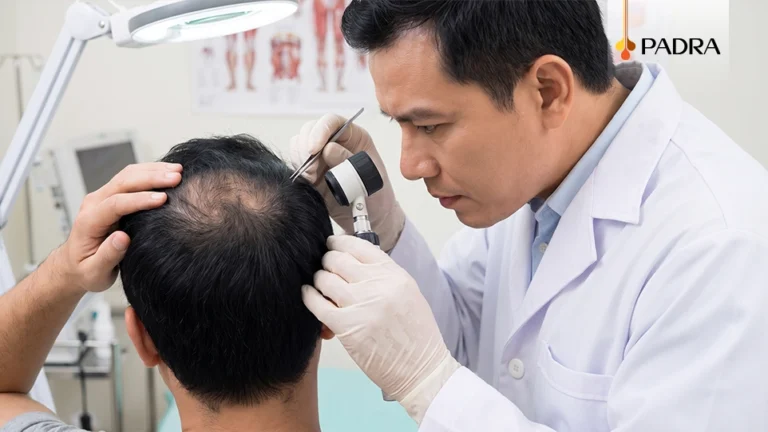

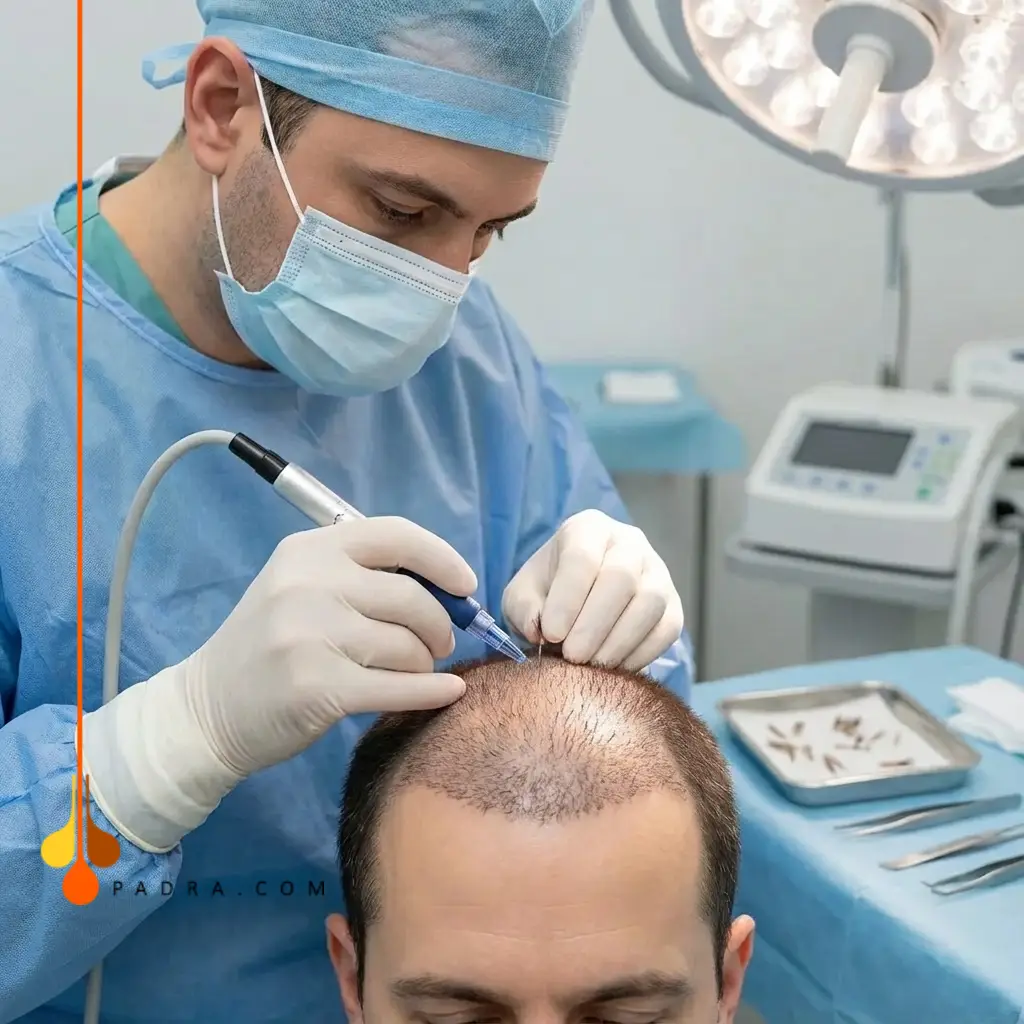
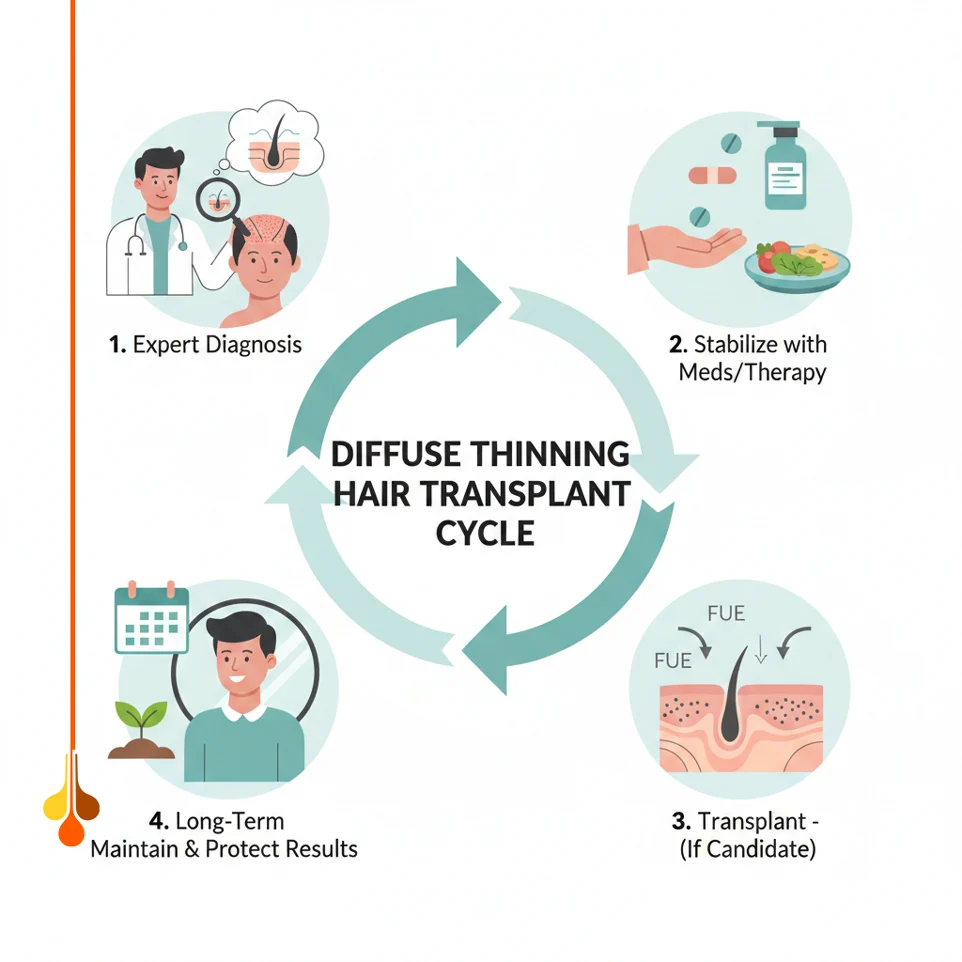
Diffuse thinning causes overall loss of hair density rather than clear bald areas, making treatment more complex. A hair transplant may help only when the donor area is stable and hair loss is controlled. Most patients are advised to start with non-surgical options like medication, PRP, and lifestyle changes. When surgery is suitable, carefully planned FUE or FUT can improve density subtly. Realistic expectations, proper diagnosis, and ongoing care are essential for natural, lasting results.
If your hair is getting thinner all over, you’re not alone — and you’re right to ask about a diffuse thinning hair transplant. Diffuse thinning looks different from a receding hairline or a bald patch. Instead of losing hair in one or two spots, the whole scalp loses volume. That makes diagnosis and treatment more careful work. This guide uses plain words to explain what diffuse thinning means, when a transplant might help, and what other options exist.
What Diffuse Thinning Means — How It’s Different From Pattern Baldness
Diffuse thinning is a steady drop in hair density across the scalp. It can be slow or come on faster after stress, illness, or a big change in hormones. Sometimes doctors call this diffuse patterned alopecia when the cause is largely genetic. The key difference from classic male or female pattern baldness is that the donor area—the back and sides of the head—can be weak too. That matters because most transplants depend on healthy donor hair.
Check Your Candidacy
Book a Free Hair Assessment
Why a Diffuse Patterned Alopecia Hair Transplant Is Tricky — 3 Things to Know
Hair transplants work best when the donor area stays strong for life. With diffuse loss, that area may also thin. That creates three big concerns:
- Donor area stability — If donor hair is weak, moving those grafts may not help long term.
- Shock loss — Surgery can cause temporary shedding in nearby weak hairs.
- Progression risk — If the underlying cause keeps damaging follicles, new grafts can thin later.
Because of these risks, clinics do careful checks—blood tests, scalp exams, photos, and sometimes small test grafts—before recommending a diffuse thinner hair transplant or any surgery.
Common Causes of Diffuse Thinning — Genes, Hormones, Stress & Diet
Simple reasons often lie behind diffuse thinning:
- Genes — Some people inherit even, overall thinning (diffuse patterned alopecia).
- Hormones — Thyroid issues or big hormone swings can thin hair.
- Stress & illness — High stress, serious illness, or surgery can trigger shedding.
- Medications & diet — Some drugs, or low iron and vitamins, hurt hair health.
Because the causes vary, treating the reason often helps more than leaping to surgery.
Try These Non-Surgical Options First — Meds, PRP & Simple Lifestyle Fixes
Most doctors recommend medical care before a transplant. These options often improve hair density enough that surgery becomes unnecessary:
- Medications your doctor prescribes to slow the loss and support growth.
- PRP (platelet-rich plasma) injections to help weak follicles.
- Better diet and less stress—simple lifestyle fixes that help hair recover.
Try these first. If the hair steadies and the donor area stays healthy, then a diffuse thinning hair transplant might be a real option.
See Non-Surgical Options
When Surgery Makes Sense: FUE vs FUT for Diffuse Thinner Hair Transplant Candidates
If testing shows a stable donor area and the hair loss is not getting worse, surgery may be possible. Two main methods are used:
- FUE (follicular unit extraction) — Small grafts taken from the donor area. It’s often preferred for diffuse cases because it spreads out the extraction points.
- FUT (strip method) — A strip of scalp is removed and grafts are taken from it. This gives many grafts at once but leaves a linear scar.
A good surgeon will explain trade-offs and often combine surgery with ongoing medical therapy to protect grafts long term.
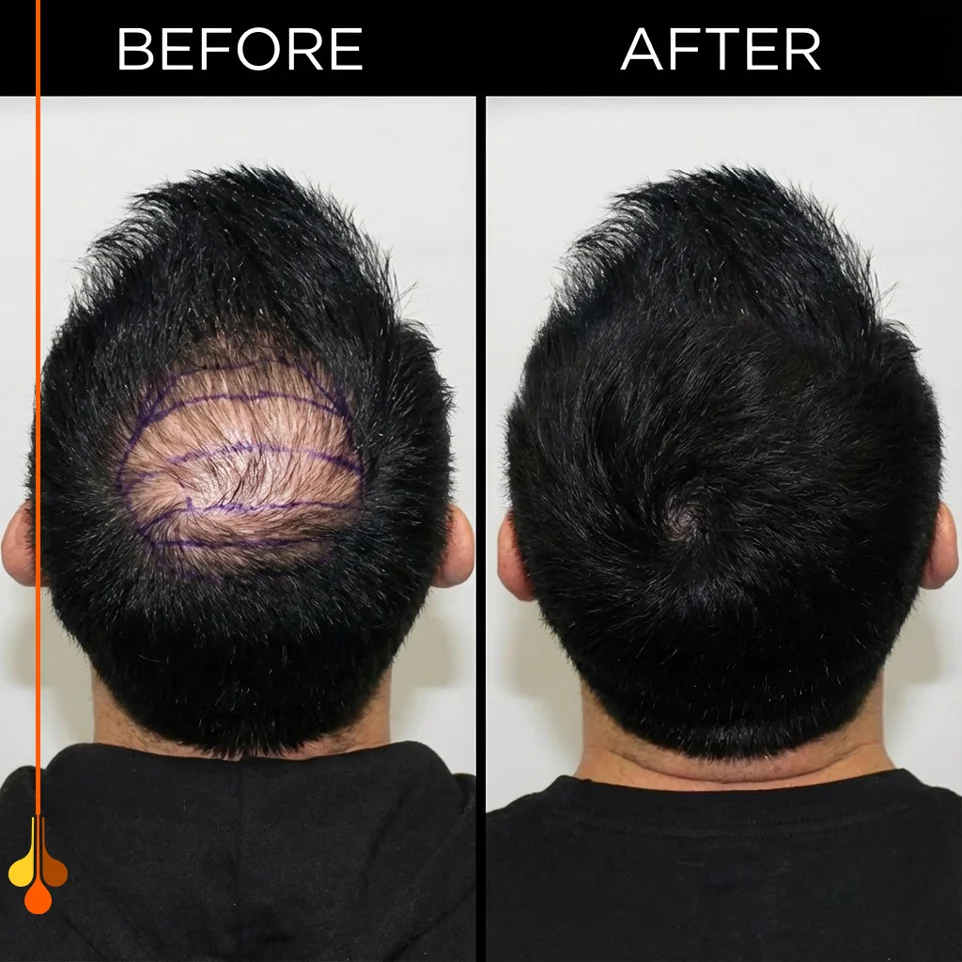
What Real, Natural Results Look Like After Treatment
When the right patients get the right plan, results can be natural and satisfying:
- Subtle, blended density that doesn’t look fake.
- Improved confidence—many people feel younger and more at ease.
- Longer stability when medical care continues after surgery.
But remember: a transplant won’t make your hair as thick as when you were young. The goal is balance and a natural look.
Limits & Risks to Know Before a Diffuse Thinning Hair Transplant
Be honest about outcomes. Key limits include:
- Not everyone is a candidate. If donor hair is unstable, surgery can fail.
- Ongoing treatment is often needed. New grafts do better with medical support.
- Thinning may continue. A transplant won’t stop all future loss.
A trustworthy clinic will explain this clearly and refuse surgery if it’s not right for you.
Your New Beginning: Ending Diffuse Thinning with Smart Choices
Diffuse thinning is a common but complex problem. The smart path is simple: get a proper diagnosis, try medical care first, and only consider a diffuse thinning hair transplant when tests show the donor area is stable and the plan fits your goals. With careful choices, you can get natural-looking results and more confidence—without risky shortcuts.
Start Your Hair Restoration Plan