Hair Restoration in Qatar: What to Actually Expect
Hair loss is a personal challenge, but the way we treat it today is incredibly precise. In Qatar, the field has shifted from basic cosmetic fixes to a highly specialized medical discipline. It’s no longer about just “plugging” hair into bald spots; it’s about long-term planning and the kind of surgical artistry that ensures you look natural at age 60, not just next year.
Doha has quickly become the primary hub for these procedures. The clinics here operate under strict medical oversight, giving patients access to world-class specialists and the latest tech without having to travel abroad.
The Strategy Behind a Successful Transplant
Think of a transplant as “resource management.” We take healthy, permanent follicles from a donor zone—usually the back or sides of the head—and strategically move them to where they’re needed most.
But a “Qatar-standard” procedure goes beyond just moving hair. It focuses on three critical pillars:
- The Hairline Frame: Designing a shape that fits your face naturally, avoiding that “artificial” straight-line look.
- Density & Flow: Angling every single graft so it mimics your original hair’s growth pattern.
- Donor Integrity: Ensuring the back of your head stays looking thick and healthy, even after the follicles are harvested.
Navigating the Doha Clinical Scene
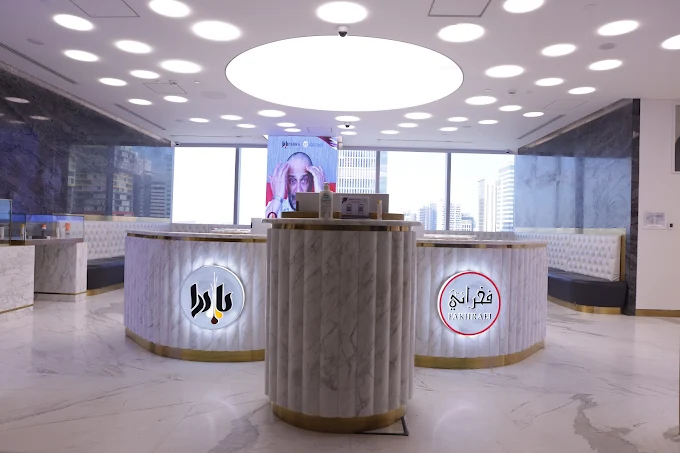
The medical landscape in Qatar is uniquely defined by a focus on long-term safety and high-caliber results rather than high-volume turnover. When you look into the leading clinics in Doha, you’ll find they have moved away from “one-size-fits-all” surgical packages. Instead, the standard of care here revolves around a highly tailored approach to the individual’s scalp biology.
Success in these centers generally comes down to three non-negotiable factors:
- Follicular Integrity: Top-tier surgeons prioritize the viability of every graft. By utilizing refined FUE and DHI protocols, the goal isn’t just extraction—it’s ensuring the follicle survives the transition and thrives in its new location.
- Proactive Recovery: Post-operative care in Qatar is rarely an afterthought. It is a structured, hands-on process designed to accelerate the healing timeline and, more importantly, protect the financial and emotional investment you’ve made in your appearance.
- Transparent Pricing Models: You will likely find that costs in Doha reflect the actual complexity of the case. Rather than a suspicious flat fee, pricing is typically tied to the specific graft count and the technical difficulty of the restoration, ensuring you only pay for the work actually performed.
A Permanent Perspective
Making the jump from temporary concealers or daily maintenance meds to a surgical transplant is a significant shift. It is a permanent decision that requires a team that views the scalp as a canvas rather than a “gap” to be filled. When a surgeon prioritizes the artistic design of the hairline—accounting for natural flow and future aging—the result is a restoration that is effectively indistinguishable from your original hair.
Hair Transplant in Doha, Qatar: The Regional Center of Expertise
The majority of advanced facilities are located in the capital, making Hair transplant in Doha, Qatar, one of the most established services in the region. Doha clinics often provide internationally aligned surgical standards, regulated environments, and multidisciplinary support teams.
Patients frequently associate Doha with:
- Access to experienced transplant surgeons
- Modern graft extraction technology
- Structured post-operative follow-up systems
Because of this concentration of expertise, Doha remains the most referenced location when discussing hair transplant clinics in Qatar.
Techniques Used in Hair Transplant in Qatar
Clinics in Qatar mostly work with three modern techniques. The best one for you comes down to how much hair you’ve lost, the quality of your donor area, and the kind of result you’re looking for.
FUE (Follicular Unit Excision)
This is the most popular choice today. The surgeon gently removes individual follicles one by one with tiny punches and places them where you need them. There’s no linear scar, recovery is quick, and you can easily wear your hair short. It gives excellent natural density.
FUT (Follicular Unit Transplantation)
Also known as the strip method. A thin strip of skin is taken from the back of the head and then carefully divided into individual grafts under a microscope. It’s still the smartest option when you need a large number of grafts in a single session. The fine scar is almost always hidden by the hair around it.
DHI (Direct Hair Implantation) and Advanced Methods
In DHI, the grafts are loaded straight into a special implant pen and placed directly into the scalp. This gives the doctor precise control over the angle, depth, and direction of every hair — especially useful for creating a soft, natural-looking hairline. Many of the top clinics combine DHI with FUE for the most refined results.
Your surgeon will only decide on the right approach after a proper, in-person consultation.
Comparison Table: Hair Transplant Techniques in Qatar
A clear way to understand treatment options is through direct comparison. Clinics providing hair transplant in Qatar generally offer multiple techniques, and the choice depends on donor characteristics, desired density, and recovery preferences.
| Technique |
Method |
Scarring |
Recovery Profile |
Best Used For |
| FUE (Follicular Unit Excision) |
Individual graft extraction |
Minimal dot scars |
Faster healing |
Hairline work, moderate thinning |
| FUT (Strip Surgery) |
Donor strip removal |
Fine linear scar |
Slightly longer recovery |
High graft sessions, extensive loss |
| DHI (Direct Implantation) |
Immediate graft placement |
Minimal scarring |
Similar to FUE |
Dense packing, refined frontal zones |
| Combination Approach |
Staged or mixed techniques |
Varies by plan |
Structured long-term recovery |
Large coverage with donor preservation |
Clinics recognized for the Best hair transplant in Qatar often recommend technique selection based on medical suitability rather than trend-based preference.
Hair Transplant Cost in Qatar: Key Pricing Influences
One of the most common concerns is the hair transplant cost in Qatar, which varies based on medical complexity rather than a single fixed rate. Pricing depends on graft requirements, surgical approach, and clinic standards.
The most influential cost factors include:
- Total graft count needed for coverage
- Technique selected (FUE, FUT, or DHI)
- Surgeon’s experience and clinical reputation
- Facility level and included medical services
The phrase hair transplant price in Qatar is often linked to package comparisons, but professional clinics emphasize that accurate quotes can only be provided after assessment.
Comparison Table: Hair Transplant Cost and Pricing Factors
The hair transplant cost in Qatar is shaped by multiple variables. This table highlights what typically increases or decreases overall pricing.
|
Cost Factor
|
Influence on Price |
Clinical Explanation
|
|
Graft Quantity
|
Higher grafts increase cost |
Larger bald areas require more surgical time |
| Technique Type |
DHI and premium FUE cost more |
Advanced implantation tools raise procedure complexity
|
|
Surgeon Expertise
|
Senior specialists charge more |
High experience improves planning and outcomes |
| Clinic Accreditation |
Certified facilities may cost more |
Safety and sterile protocols are stronger
|
|
Included Services
|
Packages vary significantly |
Follow-ups, PRP, and medications affect the total price
|
When searching for hair transplant prices in Qatar, understanding these factors helps clarify why quotes differ between providers.
Advanced Support Treatments Offered in Doha
Some clinics integrate supportive treatments to improve scalp health and enhance healing. These are not substitutes for transplantation but may complement recovery.
Examples include:
- Platelet-Rich Plasma (PRP) therapy
- Low-level laser support protocols
- Medical therapy for native hair preservation
These additions are frequently seen in premium plans associated with Hair transplant in Doha, Qatar, especially when density refinement is part of the long-term strategy.
What Drives Hair Transplant Costs in Doha?
When you look into pricing, you’ll notice that Doha sits at the higher end of the scale compared to regional alternatives. There’s a reason for that. Clinics in the capital aren’t just selling a procedure; they are selling a high-density, high-safety medical environment.
In Doha, you aren’t just paying for the “pluck and plant.” The price usually covers the full lifecycle of the transplant:
- The Diagnostic Phase: Using specialized scalp analysis to see if your donor area can actually handle the harvest.
- The Surgeon’s Hand: In Doha, you’re often paying for a lead specialist who handles the delicate incisions personally, rather than delegating the entire job to technicians.
- The “Safety Net”: Premium facility overhead ensures a sterile, hospital-grade environment that minimizes the risk of infection or graft failure.
Pro Tip: While you might find lower rates in other regions, “Doha pricing” typically reflects an all-inclusive package—meaning no hidden fees for follow-ups, medications, or the initial consultation.
How to Spot a Trusted Clinic in Qatar
Don’t let glossy Instagram ads be your only guide. A top-tier clinic in Qatar won’t try to sell you “unlimited grafts.” Instead, they focus on ethical planning.
Here is what to look for when vetting a provider:
- The “Before & After” Archive: Look for long-term results (12+ months). Anyone can make a scalp look good a week after surgery; the real test is how the hair matures.
- Board-Certified Expertise: Verify that your surgeon has specific credentials in hair restoration, not just general plastic surgery.
- The Aging Factor: A great surgeon will warn you about future hair loss. They should design a hairline that looks natural as you age, rather than a “low and straight” line that looks odd ten years down the road.
The Pre-Op Phase: More Than Just a Haircut
Before you ever sit in the surgical chair, a reputable clinic will put you through a rigorous evaluation. This isn’t just a formality—it’s the blueprint for your results.
What your “Prep Day” usually looks like:
- Follicular Mapping: Measuring exactly how many grafts can be taken without thinning out the back of your head.
- Medical Screening: Checking your history for anything that might affect healing or how you react to local anesthesia.
- Digital Simulation: Many Doha clinics now use 3D modeling to show you where your new hairline will sit and how thick it will feel.
This stage is your best chance to ask the “hard” questions. If a clinic skips the mapping and goes straight to booking your surgery date, that’s usually a red flag.
Procedure Day: How Transplant Surgery Works
Hair transplantation is typically performed under local anesthesia. The procedure involves donor harvesting, graft preparation, and implantation into recipient zones.
Although session length depends on graft volume, the process follows a structured surgical protocol focused on follicle preservation and accurate placement. Modern clinics in Doha emphasize minimal trauma techniques to improve healing and growth quality.
Procedure Planning: The Importance of Hairline Design
Hairline creation is one of the most technically sensitive elements of transplantation. A natural appearance depends on artistic placement as much as medical precision.
Surgeons performing the Best hair transplant in Qatar typically design hairlines according to:
- Facial proportions
- Age-appropriate density
- Ethnic hair characteristics
- Long-term progression patterns
Overly aggressive designs may appear unnatural with time, which is why ethical planning remains a defining marker among advanced hair transplant clinics in Qatar.
Recovery and Growth Timeline
Hair transplant recovery happens in clear stages. The first week may include mild swelling, crusting, and some donor-area sensitivity. Within the first month, temporary shedding is expected. New hair growth typically starts around months three to four, with noticeable thickening between months six and nine. Final results are usually assessed at about twelve months, and many clinics offer follow-up care during this period to support healing.
Long-Term Results and Maintenance
Transplanted follicles are generally permanent because they are taken from genetically resistant donor zones. However, surrounding native hair may continue to thin over time.
For this reason, long-term strategies may include supportive therapies, medical treatments, or staged planning for future enhancement sessions. Ethical clinics prioritize donor preservation, ensuring options remain available if additional density is desired later.
Density Strategy and Donor Preservation
A transplant is limited by donor capacity. The donor zone is a finite resource, meaning graft distribution must be calculated carefully to avoid overharvesting.
Instead of focusing only on maximum graft numbers, experienced clinics prioritize balance:
- Coverage that looks natural under normal lighting
- Density built gradually in high-visibility zones
- Protection of donor supply for potential future needs
This approach is especially relevant when reviewing hair transplant prices in Qatar, as quality planning often matters more than volume-based pricing.
Hair Transplant Procedure Suitability Matrix
Different hair transplant techniques suit patients based on hair loss pattern, donor availability, aesthetic goals, and recovery preference. Clinics offering hair transplant in Qatar often use such matrices to guide treatment planning and communicate options clearly.
|
Patient Profile
|
Recommended Technique |
Advantages |
Considerations |
Typical Use Case
|
|
Mild frontal thinning
|
FUE |
Minimal scarring, natural density, faster recovery |
Limited grafts may require careful placement |
Early hairline restoration
|
|
Extensive baldness or full scalp coverage
|
FUT |
High graft yield in a single session, efficient for large areas |
Linear donor scar, slightly longer recovery |
Crown and mid-scalp restoration
|
|
Desire for a dense frontal zone
|
DHI |
Precise angulation, dense packing |
Higher cost, longer procedure time |
Hairline refinement or cosmetic design areas
|
|
Limited donor area
|
Combination / Staged Approach |
Preserves donor follicles, flexible coverage planning |
Requires multiple sessions |
Progressive baldness over the years
|
|
Facial hair or eyebrow restoration
|
FUE (Specialized Grafts) |
Accurate follicle placement, natural growth pattern |
Small grafts require precise implantation |
Beard or eyebrow enhancement
|
Key Takeaways:
- Selection is individualized. Even patients with similar hair loss patterns may require different techniques depending on donor strength and long-term goals.
- Clinics recognized for the Best hair transplant in Qatar prioritize planning based on future hair loss projections, not just immediate coverage.
- Using a structured matrix improves transparency for patients and helps clarify why hair transplant prices in Qatar can vary across techniques and clinics.
Final Insights: Choosing Hair Transplant in Qatar
Hair transplantation in Qatar is now a well-established and trusted medical service, with Doha as the center for advanced procedures. Knowing which technique fits your needs, what to expect during recovery, and the factors affecting cost helps make informed decisions. Lasting results depend on thoughtful planning, skilled surgeons, and careful attention to hair health over time.















2 Responses
Hi ,
I am visiting family in Qatar in July and it will be a good time for me to do the transplantation. I would like to know the cost and time required for the procedure .
Thanks!
Gireesh
Hi Gireesh
Thank you for reaching out! The cost and procedure duration depend on the number of grafts you need, but it can take about 6 to 8 hours. If you have any specific questions, feel free to contact and set an appointment with our colleagues at the Qatar branch by clicking here.
Have a great time in Qatar and hope to see you at the clinic!