

FUE

Hairline Design
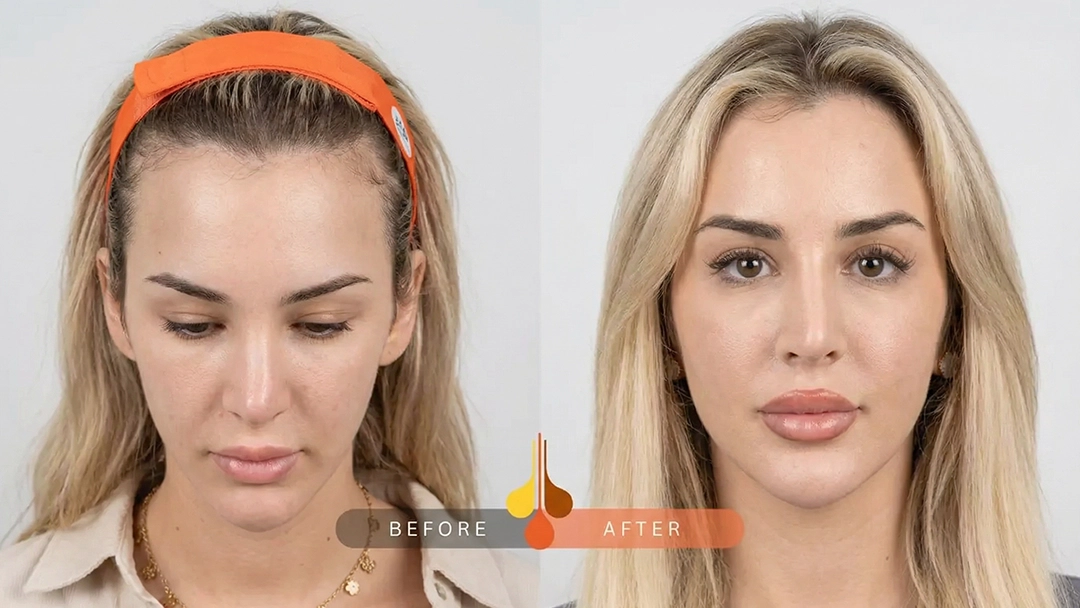
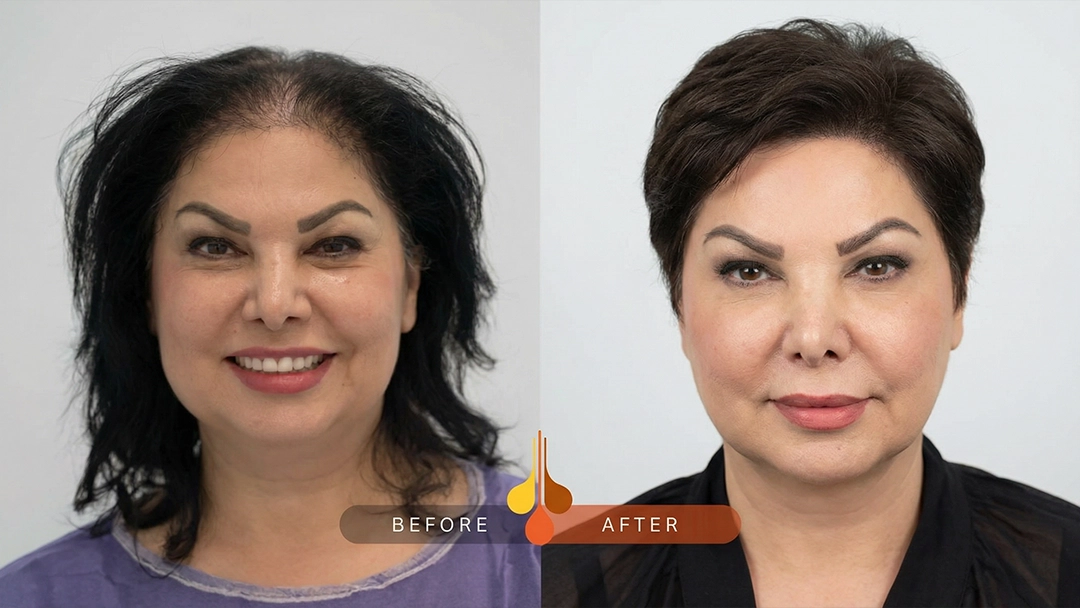
Our specialists design a frontal hairline that best suits your face shape and natural growth pattern.


Technique
FUE |

Procedure Time
6-8 hours |

Anesthetic
Local |

Recovery Period
5-10 days |

Back to Work
2-5 days |

Results Start to Show
in about 5 months |

Transplant Longevity
in about 5 months |

Average Candidate's Age
+25 years |
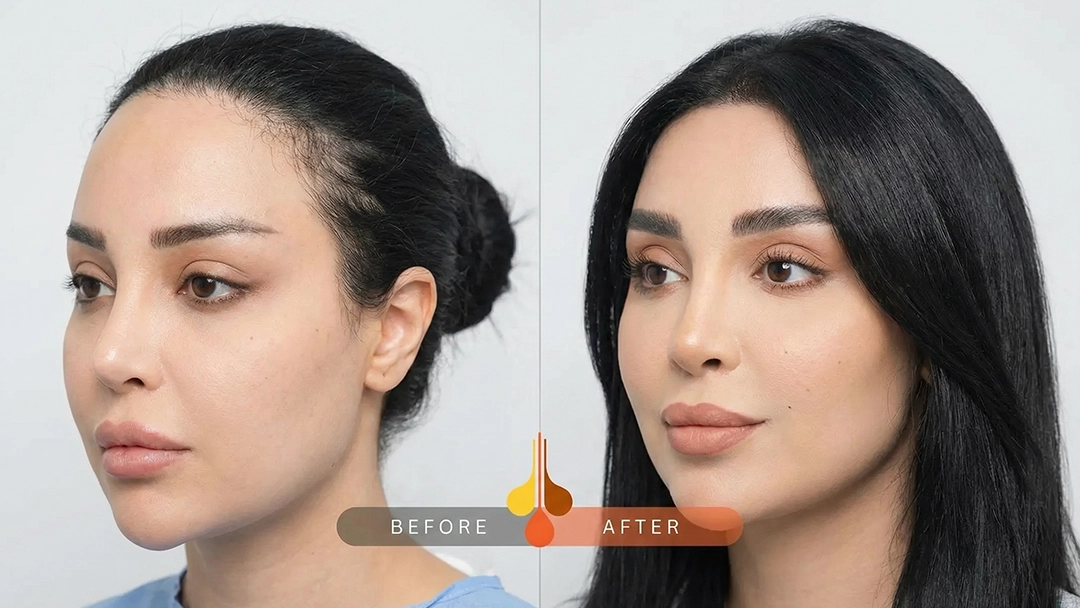
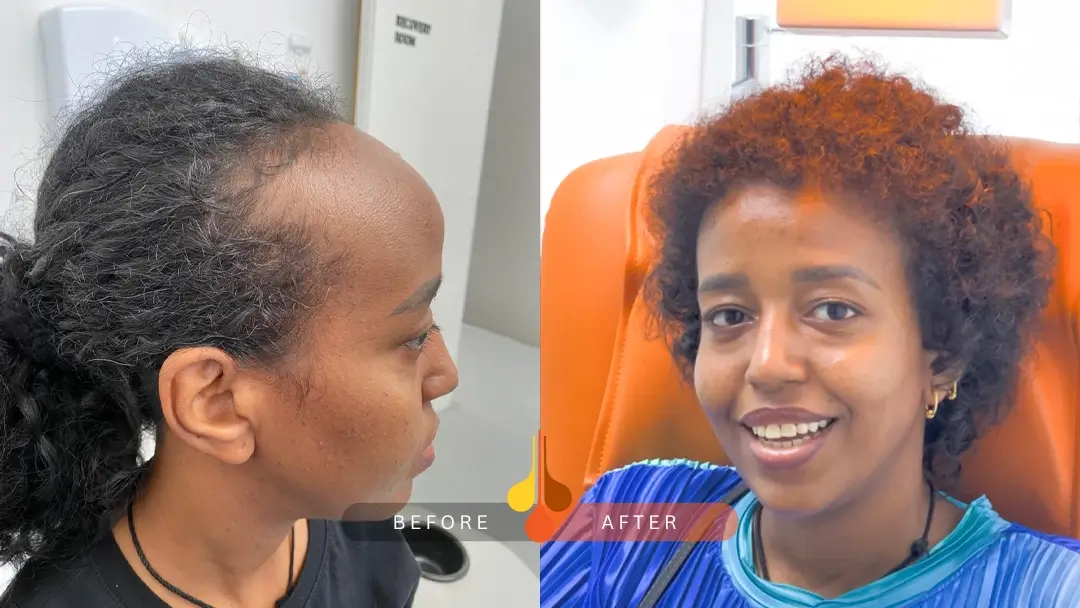


I had my first visit to the clinic and felt very comfortable thanks to the excellent care and services. Big thanks to Padra!

I recommend this clinic if you want to boost your confidence! They do hair transplant and even beauty treatments! Also, they have a great service, especially Qais, Justine, and Eva.

My surgery was amazing, and I am so happy with the Padra team. It is the best place for hair transplants and treatment in the UAE.

I underwent hair transplantation 6 months ago, and the result was very good. Thank you Justine, Eva, and Asmaa for accommodating me.

Amazing place to get your laser treatment. The staff is so professional & the ambiance is so soothing. Highly recommended.

Praise be to God, a month after my transplant, I noticed some changes and sent photos to Professor Rakan. He responded quickly, and both he and Raed assured me the results were progressing well. I’m grateful for their support and guidance.

This is my first day at the clinic, and I am very satisfied with the service and treatment, especially from the photographer, Donia. May God give her good health. Her service is wonderful. She is patient and cooperative with everyone.

I had a great experience at Padra Clinic Canada. Simran guided me well, and Ameen provided a clear step-by-step consultation for my hair transplant. The caring staff and regular follow-ups made the experience even better.


Our interactive Hair Graft Calculator is more than just a numbers tool—it’s designed to help you plan your hair restoration journey with clarity and confidence.

Personalized Transplant
An individual plan tailored to your face shape and natural growth pattern. |

Enhanced Self-Confidence
Restore a youthful look and feel more comfortable in your own skin. |

Suitable for All Hair Types
The FUE technique can be adapted to different hair types, whether straight, curly, or wavy. |

Long-Term Solution for Hair Loss
Provides lasting results compared to temporary or less effective methods. |

Natural Results
A hairline designed to look natural and blend seamlessly with your features. |

Fast, Simple Recovery
With minimal discomfort, you can return to daily life within a short time. |
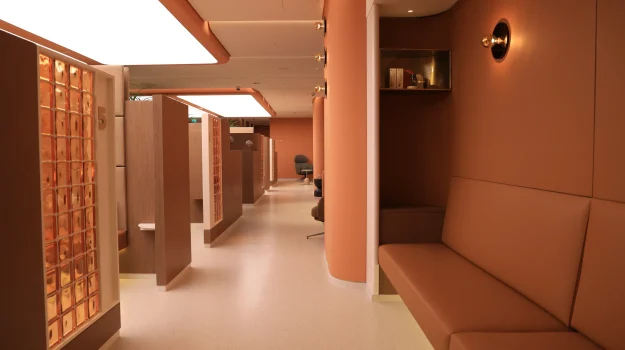
Losing your hair as a woman is a totally different ballgame than it is for men. It’s usually this slow, quiet thinning that starts at your part or your temples, and honestly, it’s exhausting to deal with. Because our hair is so tied to who we are, seeing it go can feel like a hit to your identity, not just your looks.
In Riyadh, hair transplants for women have really shifted from being a “taboo” surgery to a standard way to get that density back. It’s not about getting a “man’s haircut” and starting over; it’s about specialized surgeons using techniques that actually work with the way female hair thins.
If you’ve tried the vitamins, the serums, and the expensive shampoos and you’re still seeing more scalp than you’d like, a transplant is basically the permanent fix. It’s less about a “medical procedure” and more about just feeling like yourself again when you look in the mirror. You’re looking for a solution that looks natural and, more importantly, stays that way.
Women experience hair loss differently than men. The hairline often remains intact while density reduces across the scalp. Hormones, pregnancy, stress, iron deficiency, thyroid imbalance, and genetics all play a role.
That is why women hair transplantation in Riyadh is planned with a different philosophy:
In clinical practice, the goal is not only regrowth — it is balance, softness, and long-term sustainability.
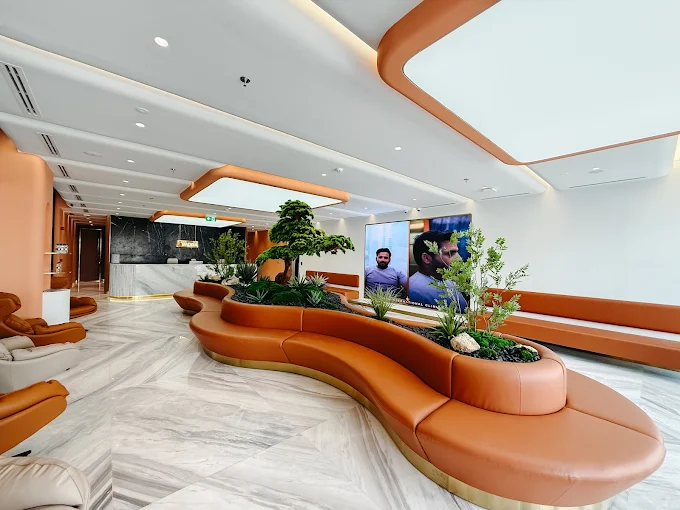
Saudi Arabia has become a regional leader in aesthetic medicine, and women hair transplantation in KSA is now offered through highly regulated centers with advanced surgical systems.
Riyadh in particular has seen rapid development in:
For many patients, choosing hair transplant for women in Riyadh means receiving care that blends cosmetic precision with medical responsibility.
If you’ve noticed your hair thinning, your first instinct might be to worry—but you don’t always need to jump straight to surgery. The journey to a hair transplant usually starts with a real conversation. In Riyadh’s specialized clinics, the process begins by looking at the “why” behind your hair loss, checking your scalp health, and seeing what we have to work with in terms of donor hair.
A transplant usually becomes the best path forward when medical shampoos, vitamins, or topical treatments just aren’t cutting it anymore. If your hair thinning has stabilized but is still affecting your density, surgery can provide the permanent “boost” that temporary fixes can’t.
To be a great candidate, you generally need two things: healthy donor hair (usually at the back of the head) and realistic expectations. It’s about restoring what’s lost while making sure your remaining hair stays healthy and thick.
Every woman’s hair story is different, but most of our patients fall into a few key categories:
At the end of the day, you aren’t just a “case” or a number on a chart. A solid consultation at a Riyadh clinic shouldn’t feel like a sales pitch or a checklist. It’s about someone actually sitting down with you to map out a plan—deciding exactly how many grafts you need and being 100% honest about the timeline. No generic fixes, just a path to getting you back to feeling like you again.
Modern female hair transplants in Riyadh rely on minimally invasive implantation systems. The two most common methods are:
The “One-by-One” Approach (FUE) Think of this as the most meticulous version of hair moving. The surgeon takes individual healthy follicles from the back of your head and tucks them into the thinning spots. The best part? There’s no long, linear scar to hide. It heals incredibly fast, which is why so many women choose it—you can get the density back without anyone ever knowing you had “work” done.
The “Precision Pen” Method (DHI) This one is a bit more high-tech. The doctor uses a specialized tool that looks like a pen to place each hair exactly where it needs to go. Because they have total control over the angle and depth, it’s perfect for the front of your head or your hairline where every millimeter counts. If you’re looking for that really thick, “packed” look in a specific area, this is usually the go-to.
There isn’t a “best” one—it really just depends on your scalp, how much donor hair you have, and what your end goal is. Usually, after a quick look at your hair, a surgeon in Riyadh can tell you within five minutes which technique will give you the most natural results.
A female transplant is not a one-day cosmetic service. It is a medical journey.
| Stage | Description |
| Consultation | Diagnosis, scalp analysis, donor evaluation |
| Planning | Hairline design, graft estimation |
| Procedure Day | Local anesthesia, extraction, implantation |
| Early Healing | Mild redness, scabbing, sensitivity |
| Growth Phase | Shedding then regrowth begins after 3 months |
| Final Outcome | Full density visible by 9–12 months |
A female transplant must look undetectable. The artistry lies in subtle density — not dramatic reconstruction.
A successful outcome focuses on:
That is why best women hair transplant in Riyadh clinics emphasize customized design rather than standard graft numbers.
Pricing varies depending on graft count, technique, and medical services included.
| Factor | Impact on Cost |
| Number of grafts | Higher grafts = higher price |
| FUE vs DHI | DHI often costs more |
| Surgeon expertise | Senior specialists may charge more |
| Included aftercare | Medications and follow-ups affect pricing |
Most clinics report general packages between:
7,000 SAR to 30,000 SAR
Exact pricing depends on individual graft needs.
The total cost of a hair transplant in Riyadh, Saudi Arabia is determined medically rather than by a fixed price list. Each treatment plan is built around individual needs, which directly influences the final amount.
Because of these variables, the final amount is always based on medical evaluation rather than a standard package.
When reviewing hair transplant options in Riyadh, price alone does not reflect treatment quality. Clinical value is shaped by several critical factors that directly impact safety and long-term results.
When comparing hair transplant prices in Riyadh, the most reliable outcomes are linked to surgeon expertise, safety standards, and realistic treatment planning rather than lower costs.
Many centers supporting hair transplant for women in KSA also provide:
These additions often improve overall success.
Recovery after a female hair transplant is a phased, measurable process rather than an abrupt switch from “before” to “after.” Early care focuses on wound protection and inflammation control; later stages emphasize follicle maturation and ongoing density. Clinics offering women’s hair transplants in KSA (Saudi Arabia) commonly provide a structured follow-up timetable that documents progress and addresses transient reactions such as postoperative shedding.
Recovery milestones (clinical timeline):
| Time window | Typical signs and care focus |
| Day 0–7 | Local redness, scabs form; gentle wound protection and short-term anti-inflammatory measures. |
| Day 10–14 | Scabs detach naturally; donor and recipient areas show reduced sensitivity. |
| Weeks 3–6 | Transient (shock) shedding of transplanted hair shafts may occur; the grafts remain viable beneath the scalp. |
| Month 3–4 | Early visible regrowth; fine hairs begin to appear and gradually thicken. |
| Month 6 | Noticeable improvement in density; continuing maturation of follicles. |
| Months 9–12 | Stable density in most cases; final cosmetic refinement continues. |
Maintenance strategies are described in medical terms and chosen according to diagnosis: platelet-rich plasma (PRP) can be offered as an adjunct to support graft survival in selected cases; topical therapies may be recommended when native hair would benefit from medical support; nutritional deficiencies receive targeted correction.
Follow-up visits document objective measures — repeat photography, trichoscopic images, and donor reserve checks — to ensure long-term planning remains possible. Where staged procedures are advisable, intervals are chosen to allow full maturation of prior grafts before additional extraction.
Risk management is candid and clinical. Complications are uncommon in accredited settings but may include temporary shedding, localized infection, or minor donor scarring. Contraindications such as active autoimmune scalp disease, uncontrolled systemic illness, or insufficient donor reserve are identified during pre-op diagnostics and become part of the medical decision tree rather than subjective judgement calls.
Riyadh is widely recognized as one of the leading destinations in Saudi Arabia for advanced female hair restoration. Clinics in the city often combine modern surgical technology with highly trained medical teams, creating an environment where natural-looking outcomes and patient safety remain central priorities.
The overall price of a hair transplant in Riyadh varies depending on several factors, most notably the number of grafts required and the reputation of the clinic. Many treatment packages fall within a moderate medical range, with costs shaped by the level of expertise and included postoperative care.
Women’s hair transplant costs in Riyadh are typically influenced by the technique selected, the complexity of the procedure, the surgeon’s experience, and the long-term aftercare plan. Density goals and individualized treatment design also play an important role in final pricing.
The most reputable centers for female hair transplantation in Riyadh are often distinguished by their ability to deliver consistent, natural outcomes through structured medical care. Key characteristics include:
Hair loss in women deserves a solution that feels respectful, clinical, and realistic. With modern advancements, women’s hair transplant in Riyadh has become a structured medical pathway rather than a cosmetic trend.
Across the Kingdom, women’s hair transplant in KSA continues to grow because outcomes are now natural, refined, and supported by science.
For those exploring hair transplants for females in Riyadh, the strongest results come from individualized planning, experienced surgical hands, and long-term medical care.