


FUE

Hairline Design
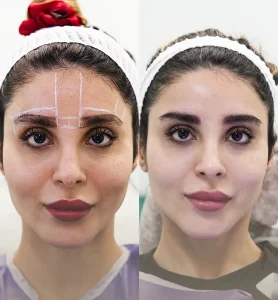
Our specialists design a frontal hairline that best suits your face shape and natural growth pattern.

Technique
FUE |

Procedure Time
6-8 hours |

Anesthetic
Local |

Recovery Period
5-10 days |

Back to Work
2-5 days |

Results Start to Show
in about 5 months |

Transplant Longevity
in about 5 months |

Average Candidate's Age
+25 years |
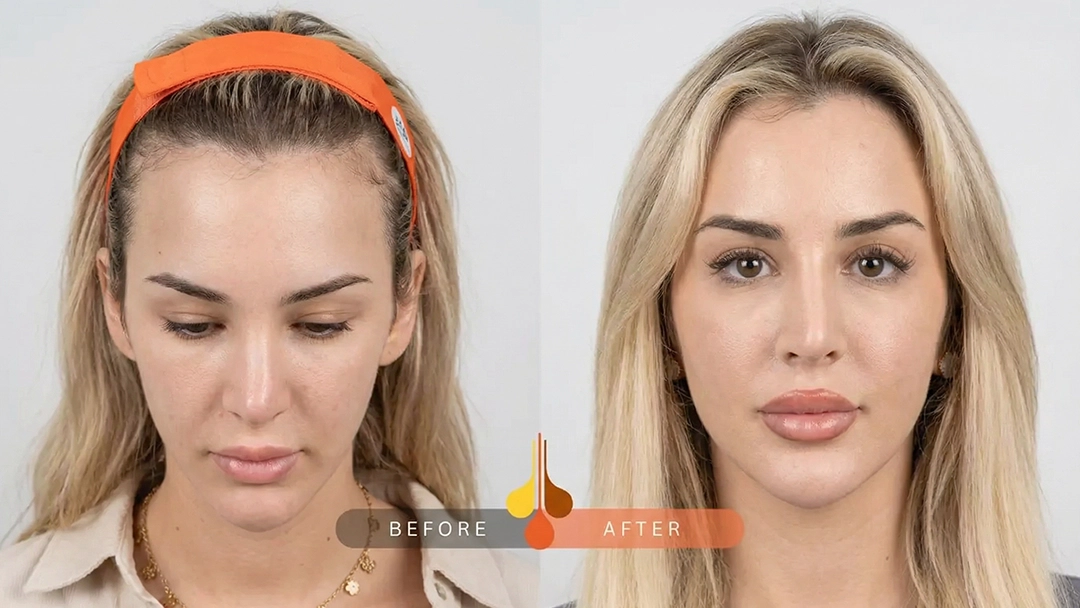
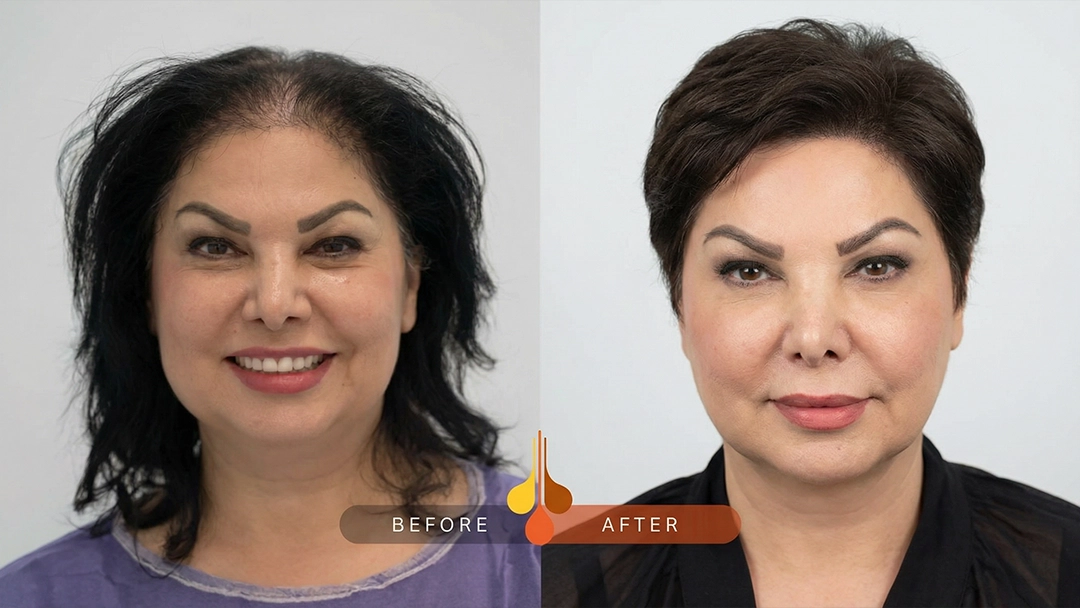
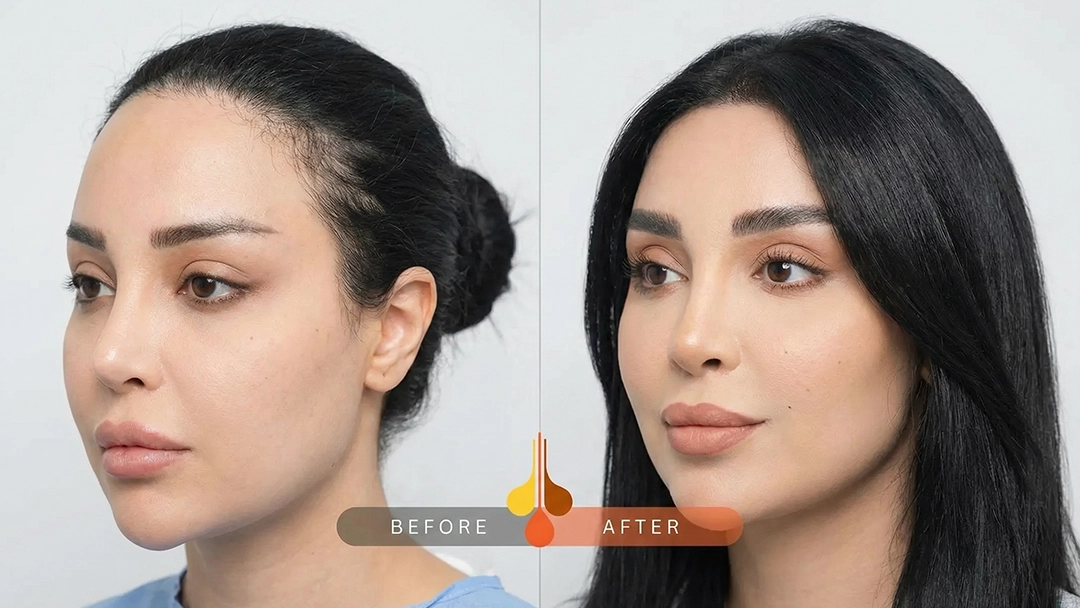
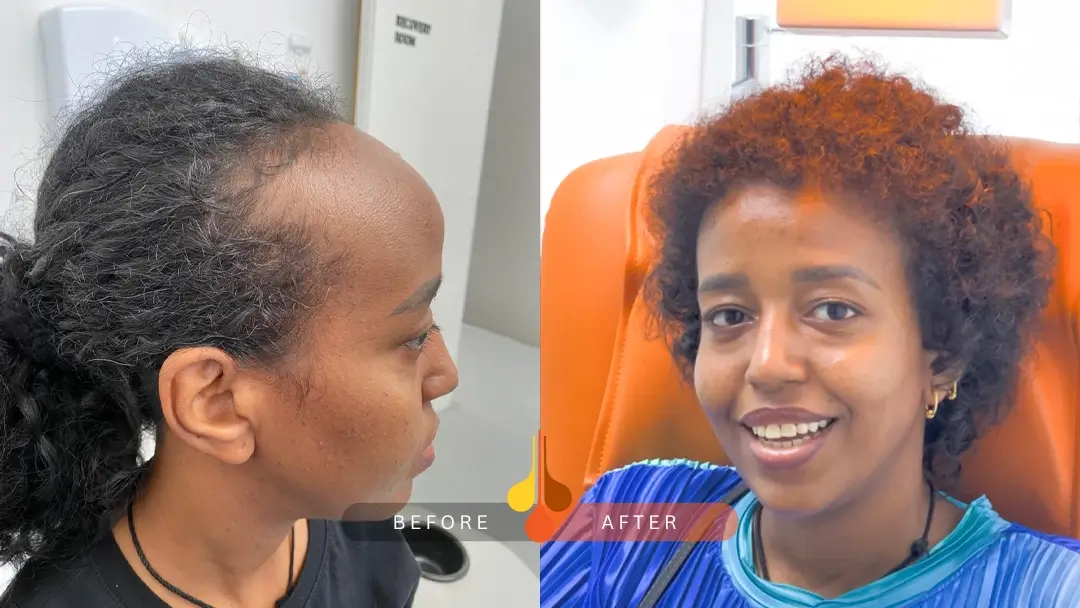


I had my first visit to the clinic and felt very comfortable thanks to the excellent care and services. Big thanks to Padra!

I recommend this clinic if you want to boost your confidence! They do hair transplant and even beauty treatments! Also, they have a great service, especially Qais, Justine, and Eva.

My surgery was amazing, and I am so happy with the Padra team. It is the best place for hair transplants and treatment in the UAE.

I underwent hair transplantation 6 months ago, and the result was very good. Thank you Justine, Eva, and Asmaa for accommodating me.

Amazing place to get your laser treatment. The staff is so professional & the ambiance is so soothing. Highly recommended.

Praise be to God, a month after my transplant, I noticed some changes and sent photos to Professor Rakan. He responded quickly, and both he and Raed assured me the results were progressing well. I’m grateful for their support and guidance.

This is my first day at the clinic, and I am very satisfied with the service and treatment, especially from the photographer, Donia. May God give her good health. Her service is wonderful. She is patient and cooperative with everyone.

I had a great experience at Padra Clinic Canada. Simran guided me well, and Ameen provided a clear step-by-step consultation for my hair transplant. The caring staff and regular follow-ups made the experience even better.


Our interactive Hair Graft Calculator is more than just a numbers tool—it’s designed to help you plan your hair restoration journey with clarity and confidence.

Personalized Transplant
An individual plan tailored to your face shape and natural growth pattern. |

Enhanced Self-Confidence
Restore a youthful look and feel more comfortable in your own skin. |

Suitable for All Hair Types
The FUE technique can be adapted to different hair types, whether straight, curly, or wavy. |

Long-Term Solution for Hair Loss
Provides lasting results compared to temporary or less effective methods. |

Natural Results
A hairline designed to look natural and blend seamlessly with your features. |

Fast, Simple Recovery
With minimal discomfort, you can return to daily life within a short time. |
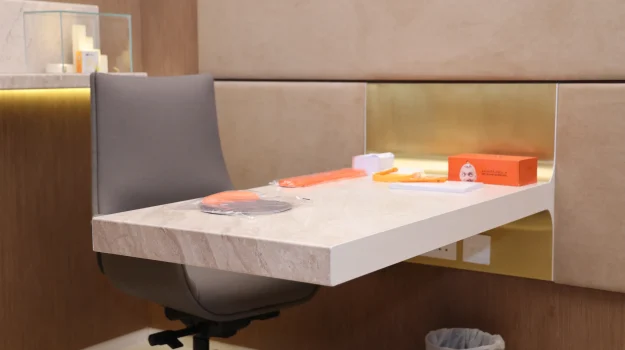

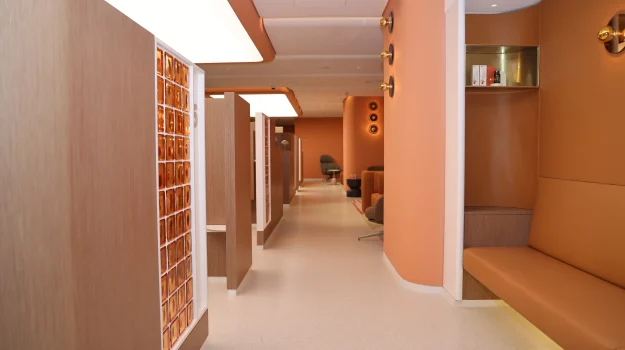
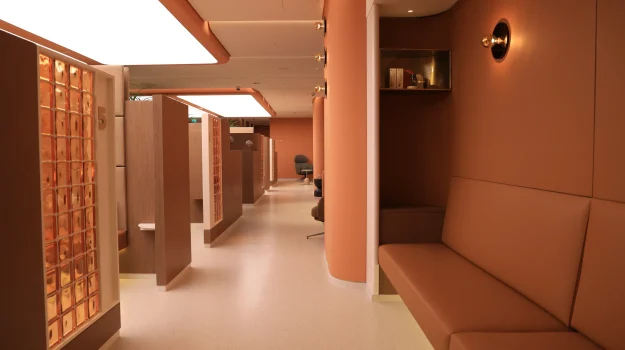
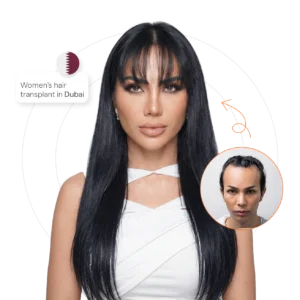
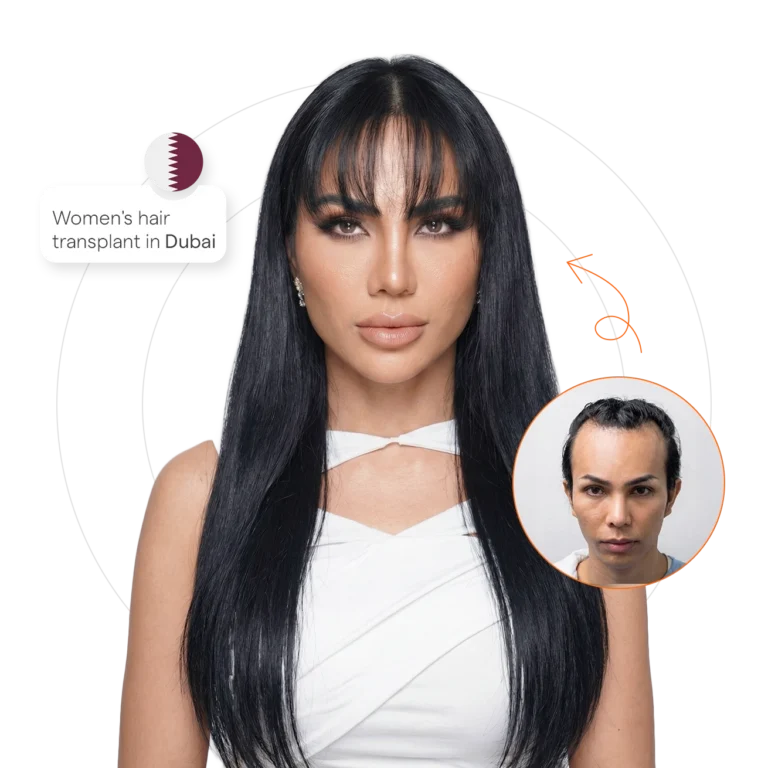
Hair loss in women is often subtle, gradual, and emotionally complex. Unlike male-pattern baldness, female hair thinning rarely presents as complete bald areas. Instead, it develops as diffuse reduction in density, widening of the part line, or thinning along the frontal scalp. A hair transplant for women in Qatar is designed to address these patterns with precision, restraint, and a strong emphasis on natural integration.
Modern female hair restoration is not about dramatic change. It is about restoring balance, improving density where it has been lost, and protecting existing hair for the future. This requires a clinical approach that respects female hair biology, long-term donor health, and aesthetic harmony.
A successful hair transplant for women in Qatar begins long before the procedure itself. The consultation phase is where long-term outcomes are shaped. Female hair loss often requires deeper evaluation because thinning may be influenced by medical, hormonal, or lifestyle-related factors.
Most clinics begin with scalp imaging, donor density analysis, and pattern mapping. This helps determine whether transplantation is the most appropriate option or whether stabilization should come first.
In women’s restoration, careful donor planning is essential. Unlike male cases, donor harvesting must remain conservative to preserve future options, especially when thinning is not confined to one zone.
A Women’s hair transplant in Qatar is therefore typically approached with a long-term view rather than a single-session mindset.
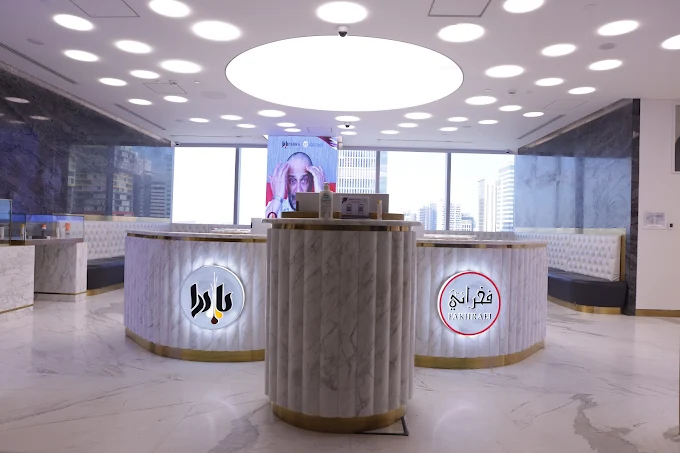
Hair restoration for women across the Gulf has evolved into a specialized discipline. Whether considering a hair transplant for women in Qatar, a Women’s hair transplant in Doha, or women hair transplantation in Dammam, the strongest outcomes share common principles: careful planning, conservative execution, and long-term scalp support.
Although techniques remain consistent, regional differences often relate to clinic style, specialization, and service structure.
|
Location phrase included |
Common clinical emphasis |
|
Hair transplant for women in Qatar |
Conservative long-term planning |
| Women’s hair transplant in Qatar |
Natural density restoration |
|
Hair transplant for women in doha |
High aesthetic detailing |
| Women’s hair transplant in Doha |
Soft hairline blending expertise |
|
Women’s hair transplantation in Doha |
Precision graft mapping |
| Hair transplant for women in dammam |
Expanding female-focused services |
|
Women hair transplant in dammam |
FUE-centered discreet recovery |
| Women hair transplantation in Dammam |
Donor preservation priority |
Women considering women hair transplantation in Dammam often compare structured follow-up and surgeon experience as key decision factors.
Hair loss in women may arise from genetic sensitivity, hormonal changes, long-term traction, nutritional imbalance, or medical conditions affecting the scalp. In many cases, thinning stabilizes over time, creating an opportunity for surgical restoration. A Women’s hair transplant in Qatar is most effective when hair loss has reached a predictable pattern and donor hair remains healthy.
Unlike male procedures, female transplantation rarely aims to rebuild a low hairline. Instead, the focus is often on reinforcing density in the frontal zone, mid-scalp, or crown while maintaining a soft, natural transition. This distinction is critical to achieving results that blend seamlessly with existing hair.
A Women’s hair transplant in Qatar typically begins with a detailed scalp and donor assessment. This evaluation looks beyond visible thinning to understand hair caliber, follicle stability, and long-term progression risk. Density planning is conservative, ensuring that transplanted hair supports rather than overwhelms existing follicles.
Clinics in Qatar increasingly follow female-specific protocols that emphasize donor preservation and staged restoration when necessary. This approach reduces the risk of overharvesting and supports sustainable results that age naturally with the patient.
Two primary techniques are used in women’s hair restoration, with selection based on individual anatomy and density goals rather than a one-size-fits-all approach.
| Technique | Clinical role in women | Visual impact |
| FUE (Follicular Unit Extraction) | Allows precise graft placement with minimal scarring | Discreet healing, natural blending |
| FUT (Strip Method) | Provides higher graft yield when needed | Hidden linear scar under longer hair |
FUE is commonly preferred for women due to its flexibility and reduced visibility during healing. FUT may be considered in cases where a larger number of grafts is required and donor density is strong.
A Women’s hair transplant in Doha often reflects a strong focus on aesthetic refinement. Clinics emphasize soft hairline design, careful angulation, and gradual density layering. Rather than creating a sharp frontal border, surgeons place single-hair grafts at the leading edge, followed by denser groupings further back.
This method allows restored areas to move naturally with styling and avoids the artificial appearance associated with older transplant techniques. A hair transplant for women in Doha is frequently paired with non-surgical support such as PRP to enhance early healing and graft stability.
In female transplantation, density must be planned with restraint. Overpacking grafts can create unnatural thickness, compromise blood supply, or shock surrounding follicles.
The best outcomes are achieved through staged density layering, where volume is restored gradually and harmoniously.
Women’s hair transplantation in Qatar commonly prioritizes:
This is especially important in women experiencing diffuse reduction rather than isolated bald patches.
Hairline design is one of the most defining elements of natural female restoration. Women rarely require a sharply reconstructed frontal edge. Instead, the objective is softness, subtle framing, and gradual density.
In Women’s hair transplant in Doha, surgeons often focus on:
This level of detail is what separates an obvious transplant from one that appears entirely natural. Women’s hair transplantation in Doha is often recognized for this aesthetic refinement.
Women’s hair transplantation in Doha is often characterized by detailed planning and staged execution. Diffuse thinning cases, which are common in women, require particular care to avoid damaging existing miniaturized hairs. Lower-density placement over a broader area often produces a more natural visual result than dense packing in a limited zone.
The goal is long-term harmony rather than immediate density alone. This philosophy supports better outcomes over time and preserves donor resources for future needs.
A hair transplant for women in dammam has become an increasingly considered option within the region. Clinics in Dammam commonly offer modern FUE-based procedures with a focus on conservative planning. Women seeking a women’s hair transplant in dammam often value structured follow-up and realistic density expectations.
The clinical approach in Dammam mirrors broader regional trends: prioritizing donor safety, natural appearance, and gradual improvement rather than aggressive transformation.
Women hair transplantation in Dammam frequently addresses traction-related hair loss and localized thinning. These cases tend to respond well to transplantation when donor hair quality is strong. Careful graft spacing and attention to hair direction are essential to ensure the transplanted hair blends with surrounding strands.
As with other regions, the most stable outcomes are achieved when surgical restoration is supported by ongoing scalp care and medical monitoring.
A women’s transplant is often most successful when the goal is improvement rather than perfection. Hair restoration does not create childhood density, but it can significantly enhance volume, coverage, and styling flexibility.
Most women notice:
Women’s hair transplantation in Doha and Qatar is increasingly defined by subtle realism rather than dramatic exaggeration.
Not all hair thinning requires surgery. A structured evaluation helps determine whether transplantation is appropriate.
|
Hair loss pattern |
Surgical suitability |
| Localized frontal thinning |
High |
|
Traction-related loss |
High |
| Stable genetic thinning |
Moderate to high |
|
Diffuse unpatterned alopecia |
Limited |
| Active inflammatory scalp conditions |
Not suitable until treated |
A Women’s hair transplantation in Qatar is most successful when the underlying cause of hair loss is stable or well-managed.
Hair restoration follows a biological process that unfolds gradually. Understanding this timeline supports realistic expectations and satisfaction.
|
Phase |
What occurs |
|
First 2 weeks |
Healing, mild redness, scab shedding |
| 1–2 months |
Temporary shedding of transplanted hair |
|
3–4 months |
Early regrowth begins |
| 6 months |
Noticeable improvement in density |
| 9–12 months |
Full maturation and texture refinement |
This timeline applies consistently across Women’s hair transplantation in Doha, Qatar, and Dammam.
The success of a female hair transplant depends less on graft quantity and more on execution quality. Single-hair graft placement, correct angulation, and gradual density transitions play a defining role in achieving an undetectable outcome. Overly dense placement can disrupt natural movement and increase stress on existing follicles.
Preserving donor hair is equally important. Conservative harvesting allows for future flexibility and protects against progressive thinning.
Pricing for female hair transplantation reflects clinical complexity rather than geography alone.
| Cost factor | Why it matters |
| Number of grafts | Determines coverage and session size |
| Technique used | Influences precision and scarring |
| Surgeon involvement | Direct handling improves consistency |
| Aftercare services | Supports healing and graft survival |
A Women’s hair transplant in Qatar is best evaluated by overall treatment quality rather than initial cost alone.
Transplanted hair is permanent, but surrounding native hair may continue to thin. Long-term success often involves supportive care such as topical therapy, PRP sessions, and periodic scalp evaluation. Identifying hormonal or nutritional contributors helps protect both transplanted and existing follicles.
This integrated approach is increasingly standard in Women’s hair transplantation in Doha and across the region.
Many clinics across Qatar, Doha, and Dammam incorporate supportive therapies alongside transplantation. While surgery relocates follicles, adjunct treatments may help strengthen surrounding hair and improve healing quality.
Common supportive options include platelet-rich plasma (PRP), topical therapy, and scalp health monitoring.
These measures are not replacements for surgery, but they often complement women’s hair transplant in Qatar by improving scalp environment and reducing ongoing thinning risk.
Post-operative care is not a minor detail in female transplantation. The first two weeks are critical for graft anchoring, while the following months require monitoring of regrowth progress.
Women’s hair transplantation in Qatar often includes scheduled follow-ups to assess:
A structured follow-up pathway is one of the strongest indicators of clinical quality.
One reason women increasingly choose hair transplant for women in Qatar is the availability of discreet, medically supervised care pathways.
Female patients often prioritize:
Clinics offering women’s hair transplants in Doha frequently structure recovery plans with privacy and subtle healing in mind, especially for women returning quickly to professional or social environments.
Hair restoration for women is now a refined medical discipline requiring precision, restraint, and long-term strategy.
A hair transplant for women in Qatar offers natural improvement when performed with conservative donor planning, soft aesthetic execution, and structured aftercare. Similarly, Women’s hair transplant in Doha is often recognized for detailed hairline blending, while women hair transplantation in Dammam continues to grow as a regional option with modern FUE-based care.
Across all locations, the strongest outcomes come from realistic density goals, clinical evaluation, and an approach designed specifically for female patterns of thinning.
Modern female transplantation is defined not by artificial change, but by subtle restoration that appears original, stable, and medically sound.