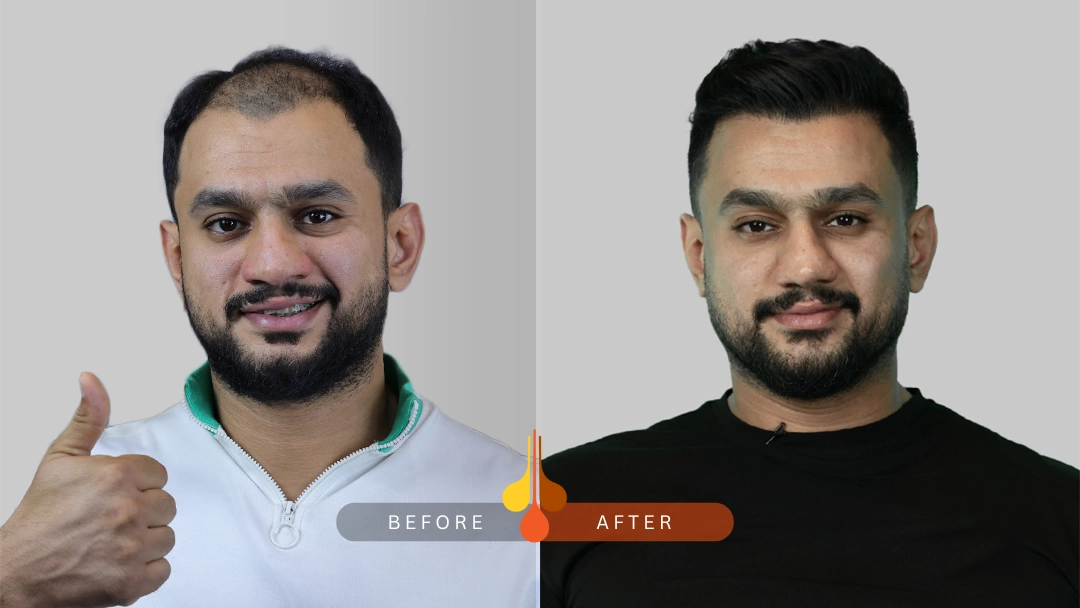
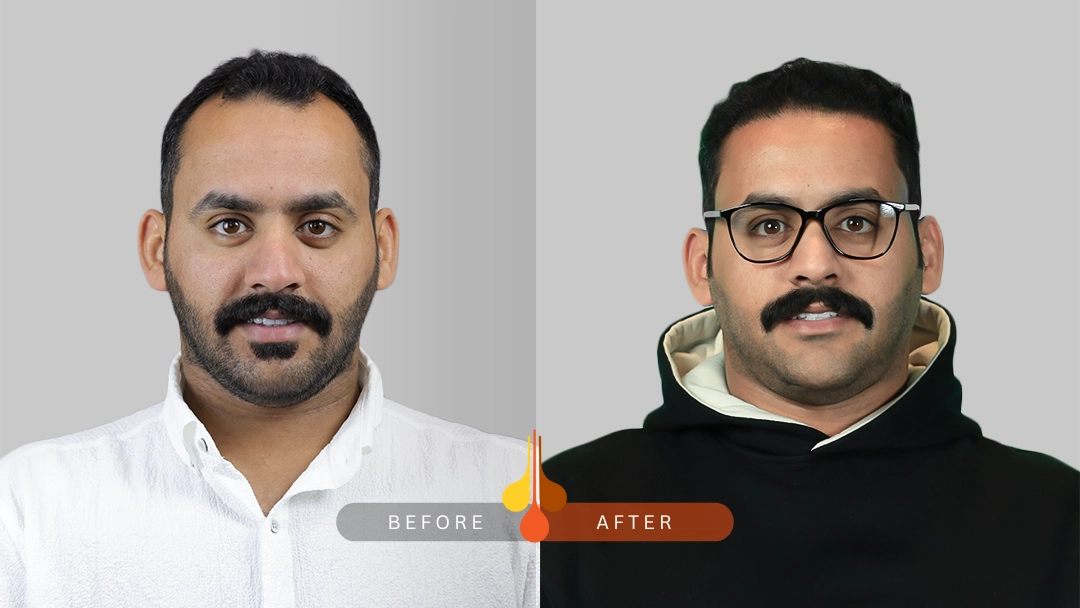
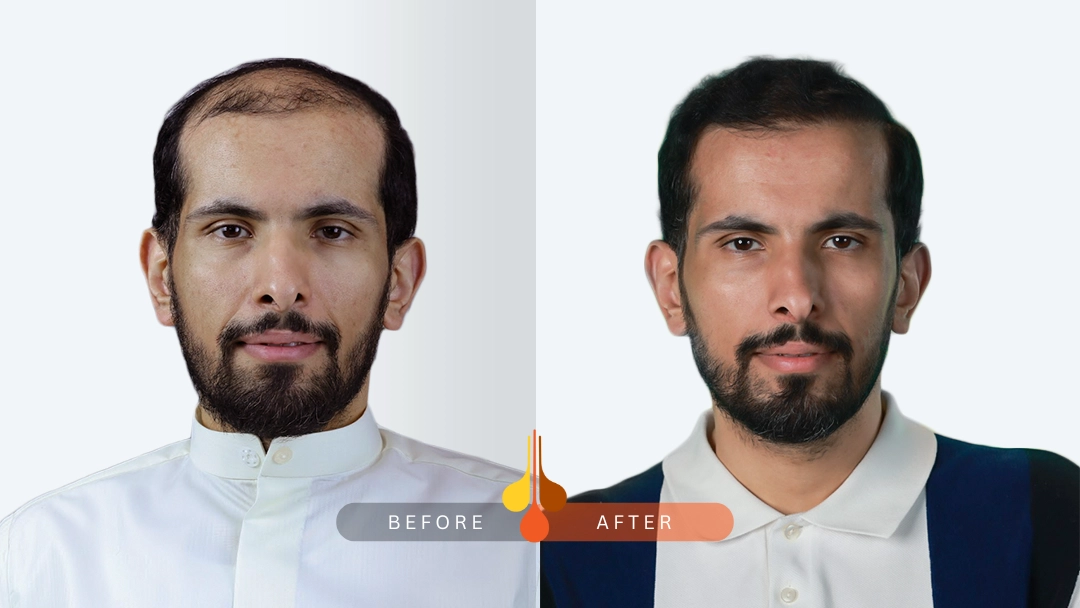
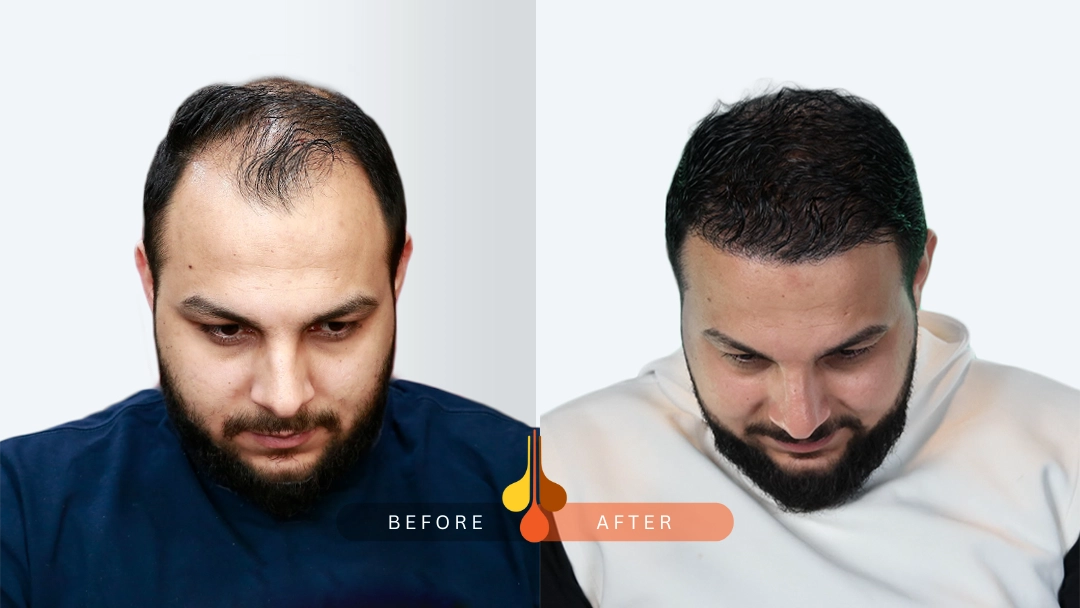
What is a Hair Transplant?
A hair transplant is a surgical procedure that relocates healthy hair follicles from one part of the scalp (the donor area) to areas experiencing hair loss (the recipient site). This technique is widely used for treating male and female pattern baldness, alopecia, and other hair loss conditions. Modern advancements in hair restoration have made transplants more precise and minimally invasive, ensuring natural-looking results.

Types of Hair Transplant Techniques
Hair transplant techniques have evolved significantly, offering patients a range of options based on their hair type, scalp condition, and desired results. Below are the three most common and advanced hair transplant methods:

1. Follicular Unit Transplantation (FUT)
FUT, also known as the “strip method,” involves removing a strip of scalp containing hair follicles from the donor area. The strip is then dissected into individual grafts and transplanted into bald or thinning areas.
- Procedure: The surgeon removes a linear strip of skin from the donor area, typically at the back of the scalp. The strip is then divided into grafts containing 1-4 hair follicles each, which are implanted in the recipient area.
- Pros: Can transplant a large number of grafts in one session, cost-effective, high graft survival rate.
- Cons: Leaves a linear scar, requires stitches, longer recovery time.
- Ideal Candidates: Those with significant hair loss who require a large number of grafts in a single session.
2. Follicular Unit Extraction (FUE)
FUE is a minimally invasive technique where individual hair follicles are directly extracted from the donor area and implanted into the recipient site.
- Procedure: The surgeon uses a micropunch tool to extract hair follicles one by one, ensuring a natural distribution. These follicles are then implanted into tiny incisions in the recipient area.
- Pros: No linear scar, faster healing, less invasive, allows for short hairstyles.
- Cons: More time-consuming, slightly more expensive, requires a skilled surgeon for optimal results.
- Ideal Candidates: Those who prefer a minimally invasive procedure with shorter downtime.
3. Direct Hair Implantation (DHI)
DHI is an advanced hair transplant method that eliminates the need for incisions before implantation, allowing for simultaneous extraction and implantation using a specialized tool called a Choi Implanter Pen.
- Procedure: Hair follicles are extracted one by one using a fine-tipped tool, then directly implanted into the recipient area using the Choi Implanter Pen without the need for pre-made incisions.
- Pros: Faster implantation process, reduced trauma to hair follicles, higher survival rate, greater precision in hairline design.
- Cons: More expensive than FUE and FUT, requires highly skilled professionals.
- Ideal Candidates: Those looking for the most advanced technique with the highest precision and least invasive approach.
Comparison Table
| Technique |
Procedure |
Pros |
Cons |
Best For |
| FUT |
Strip of scalp removed, dissected into grafts, then implanted |
Large grafts in one session, cost-effective |
Leaves linear scar, longer recovery |
Patients needing many grafts |
| FUE |
Individual follicles extracted and implanted |
No linear scar, fast healing |
Time-consuming, requires skill |
Patients preferring a less invasive method |
| DHI |
Simultaneous extraction and implantation using Choi Pen |
Faster implantation, higher survival rate |
Expensive, highly skilled professionals needed |
Patients seeking precision and minimal downtime |
Who is a Good Candidate for a Hair Transplant?
Hair transplants are most effective for individuals experiencing permanent hair loss, typically due to male or female pattern baldness. Candidates should have adequate donor hair, meaning a sufficient amount of hair follicles available for extraction, usually from the back or sides of the scalp.
Key Factors for a Good Candidate:
- Stable Hair Loss: The hair loss pattern should be well-established, meaning it has stabilized over time, typically around the age of 25-30 years, and is not actively progressing.
- Healthy Scalp Condition: A healthy scalp free from infections or conditions like psoriasis or dermatitis improves transplant success.
- Adequate Donor Hair: The donor area should have dense and strong follicles to ensure good graft survival and coverage.
- Realistic Expectations: Hair transplant results vary, and candidates should understand that it may require multiple sessions to achieve the desired density.
- Good General Health: Individuals with chronic conditions like diabetes or autoimmune diseases should consult with a specialist to determine eligibility.
- Non-Smokers or Willing to Quit: Smoking can hinder healing and graft survival, so quitting before and after the procedure is recommended.
The Hair Transplant Procedure: Step-by-Step
1. Consultation & Pre-Op Assessment
- The surgeon evaluates the patient’s hair loss pattern, scalp condition, and donor hair availability.
- A treatment plan is tailored based on the severity of hair loss and the selected transplant technique (FUT, FUE, or DHI).
- Patients receive pre-operative instructions, including discontinuing certain medications and avoiding smoking/alcohol before surgery.
2. Pre-Op Preparation
- The patient’s scalp is cleaned and trimmed to an optimal length for surgery.
- Local anesthesia is administered to minimize pain and discomfort.
- Depending on the technique, the patient may receive additional medication to reduce swelling and bleeding.
3. Extraction Process (FUT vs. FUE vs. DHI)

FUT (Follicular Unit Transplantation)
- A strip of scalp is surgically removed from the donor area (usually the back of the head).
- The strip is dissected into individual follicular units under a microscope.
- The donor area is sutured, leaving a linear scar that is concealed by surrounding hair.
FUE (Follicular Unit Extraction)
- Individual hair follicles are extracted one by one using a micropunch tool.
- The extraction process ensures minimal scarring, making it ideal for patients who prefer short hairstyles.
- The procedure takes longer than FUT but does not require stitches.
DHI (Direct Hair Implantation)
- Similar to FUE, hair follicles are extracted individually.
- Using a Choi Implanter Pen, follicles are immediately implanted without pre-made incisions.
- This method provides greater precision, minimal trauma, and a higher survival rate for hair grafts.
4. Implantation of Hair Grafts
- The surgeon creates recipient sites in the balding area (except for DHI, which does not require incisions).
- Hair follicles are carefully placed at the correct angle and density to ensure a natural appearance.
- The implantation phase varies in duration based on the number of grafts and technique used.
5. Post-Operative Care & Healing
- After the procedure, the scalp is bandaged, and the patient receives antibiotics and pain relievers.
- Post-op instructions include avoiding strenuous activities, direct sunlight, and certain hair products.
- FUT patients require stitch removal after 10-14 days, whereas FUE and DHI patients have faster recovery with minimal discomfort.
6. Follow-Up & Monitoring
- Patients have scheduled follow-up visits to assess healing and progress.
- Hair shedding (shock loss) occurs in the first few weeks, followed by gradual hair regrowth.
- Full results take 12-18 months, with some patients requiring a second transplant for higher density.
Recovery and Aftercare for Hair Transplant Patients
Recovery from a hair transplant varies based on the technique used—FUT, FUE, or DHI—each with different healing times and aftercare requirements.

First Few Days (0-7 Days)
- Common Symptoms: Swelling, redness, mild pain, and scabbing in both the donor and recipient areas.
- Post-Op Instructions:
- Keep the scalp clean with prescribed saline sprays.
- Sleep with the head elevated to reduce swelling.
- Avoid touching, scratching, or washing the scalp too soon.
- FUT patients may experience more discomfort due to stitches.
1-2 Weeks: Healing and Shedding Phase
- Small scabs begin forming around the transplanted grafts and naturally fall off.
- Patients may experience shock loss, where both transplanted and some surrounding hairs shed.
- FUT patients require suture removal around Day 10-14.
- FUE and DHI patients experience faster healing due to minimal scarring.
1-3 Months: Early Growth Stage
- Shedding continues as hair enters a dormant phase (telogen effluvium).
- Minor redness or itching may persist.
- No visible new hair growth yet.
- FUT patients might still notice tightness or numbness in the donor area.
4-6 Months: Visible Regrowth Begins
- New hair follicles start emerging, though they may be thin and uneven initially.
- Gradual improvement in hair texture and thickness.
- Patients may use gentle hair products and start light physical activity.
6-9 Months: Significant Hair Thickening
- Hair growth accelerates, becoming thicker and denser.
- Any uneven patches or slow-growing areas start filling in.
- FUE and DHI patients usually see more uniform results at this stage.
12-18 Months: Final Results
- Full hair density is achieved.
- Texture and coverage resemble natural hair patterns.
- Some patients may require a second transplant session for optimal results.
Long-Term Aftercare
- Avoid direct sun exposure for prolonged periods.
- Continue using prescribed hair growth treatments (e.g., minoxidil or PRP therapy if advised by a doctor).
- Maintain a healthy diet rich in vitamins and proteins to support hair strength.
Following post-op care guidelines, such as avoiding direct sunlight and refraining from intense activities, can optimize healing and results.
Risks and Possible Side Effects of Hair Transplants
Hair transplants, while generally safe, come with potential risks and side effects. Most of these issues are temporary and resolve with proper aftercare.
Common Side Effects:
- Redness and Swelling: Expected in both donor and recipient areas, usually subsiding within a few days.
- Shock Loss: Temporary shedding of transplanted hair before new growth begins.
- Itching and Discomfort: Can occur as the scalp heals; scratching should be avoided.
Rare Complications:
- Infections: Though rare, proper hygiene and post-op care minimize this risk.
- Scarring: More common in FUT procedures due to the strip removal technique.
- Folliculitis: Inflammation or small pimple-like bumps around newly implanted grafts.
- Numbness: Temporary loss of sensation in the donor or recipient area.
Preventing and Managing Risks:
- Follow all post-operative care guidelines provided by the surgeon.
- Avoid touching, scratching, or picking at scabs during the healing process.
- Take prescribed antibiotics and anti-inflammatory medications to reduce infection risks.
- Report any unusual symptoms (persistent pain, pus, excessive swelling) to your clinic immediately.
Cost of Hair Transplant: Factors That Affect Pricing
The cost of a hair transplant varies significantly based on multiple factors, including technique, surgeon expertise, and location.
Breakdown of Pricing by Technique:
- FUT: Lower cost due to the ability to transplant more grafts per session.
- FUE: More expensive due to the precision of individual follicle extraction.
- DHI: Highest cost because of advanced implantation technology and increased precision.
Other Factors Affecting Cost:
- Number of Grafts Needed: The more grafts required, the higher the price.
- Clinic Reputation & Surgeon Expertise: Highly experienced professionals charge premium rates.
- Geographical Location: Costs vary based on country and city.
- Additional Treatments: Some patients opt for PRP therapy or follow-up sessions for better results.
- Consultation and Aftercare Fees: Some clinics include follow-ups in the total cost, while others charge separately.
Financing Options & Insurance Considerations:
- Most insurance plans do not cover cosmetic hair transplants.
- Many clinics offer payment plans or financing options to make the procedure more affordable.
Choosing the Right Hair Transplant Clinic
Selecting the best clinic ensures successful and natural-looking results. Consider the following factors:
Key Considerations:
- Board-Certified Surgeons: Ensure the clinic has experienced specialists with proven expertise.
- Before-and-After Galleries: Review past patient results to gauge quality.
- Patient Testimonials: Real reviews offer insight into patient experiences.
- Advanced Techniques: The clinic should offer FUT, FUE, and DHI using the latest technology.
Questions to Ask During Consultation:
- How many hair transplants has the surgeon performed?
- What techniques does the clinic specialize in?
- What are the expected results for my specific case?
- Are there any additional costs beyond the quoted price?
Why Choose Padra Clinic?
At Padra Clinic, we offer:
- State-of-the-art technology for precise hair restoration.
- Expert surgeons with years of experience.
- Personalized treatment plans for optimal results.
- Comprehensive aftercare to ensure smooth recovery.
Conclusion
Hair transplant procedures offer a permanent, natural-looking solution for hair loss. Whether you opt for FUE, FUT, or DHI, selecting a trusted clinic ensures the best results. If you’re considering a hair transplant, consult with experts at Padra Clinic to discuss your options and achieve your hair restoration goals.