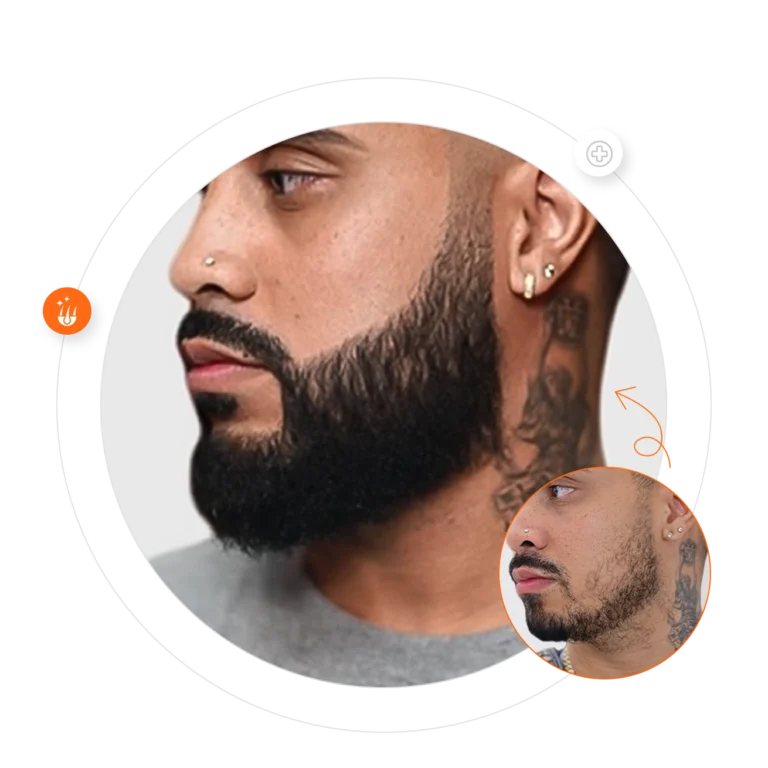
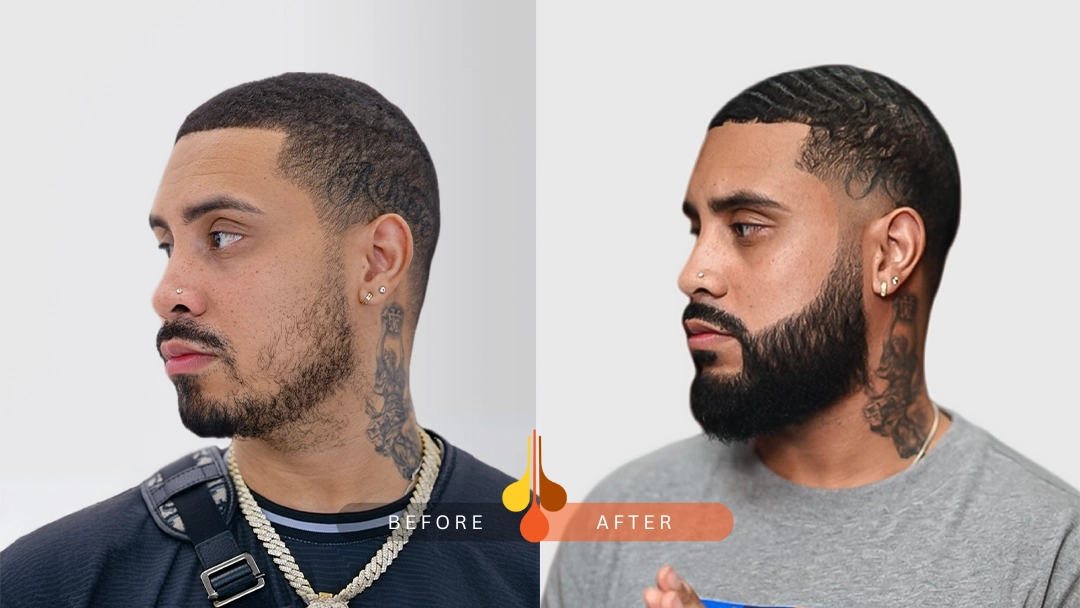
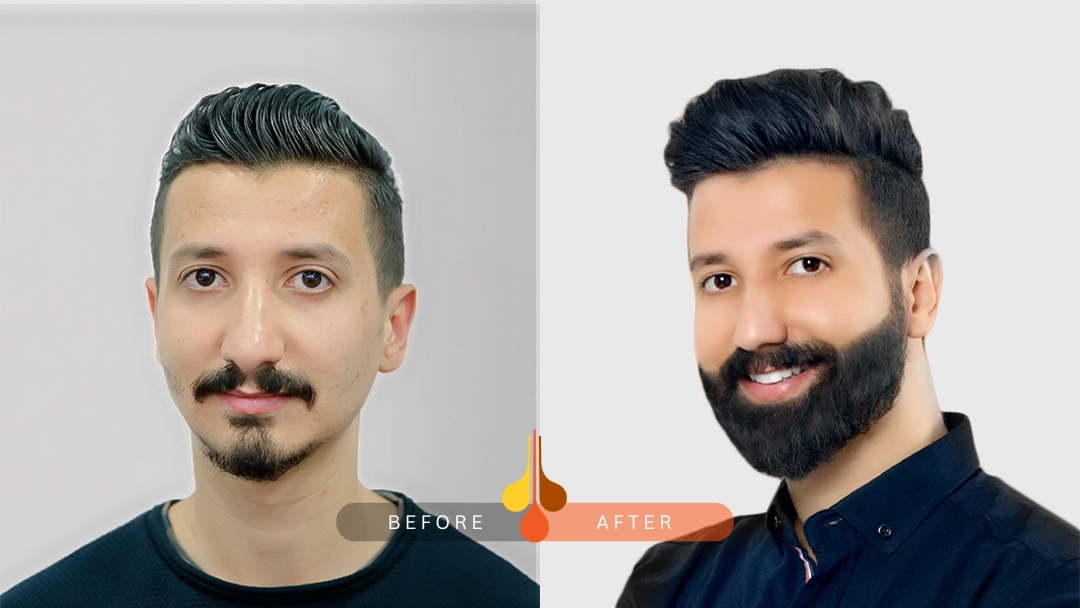
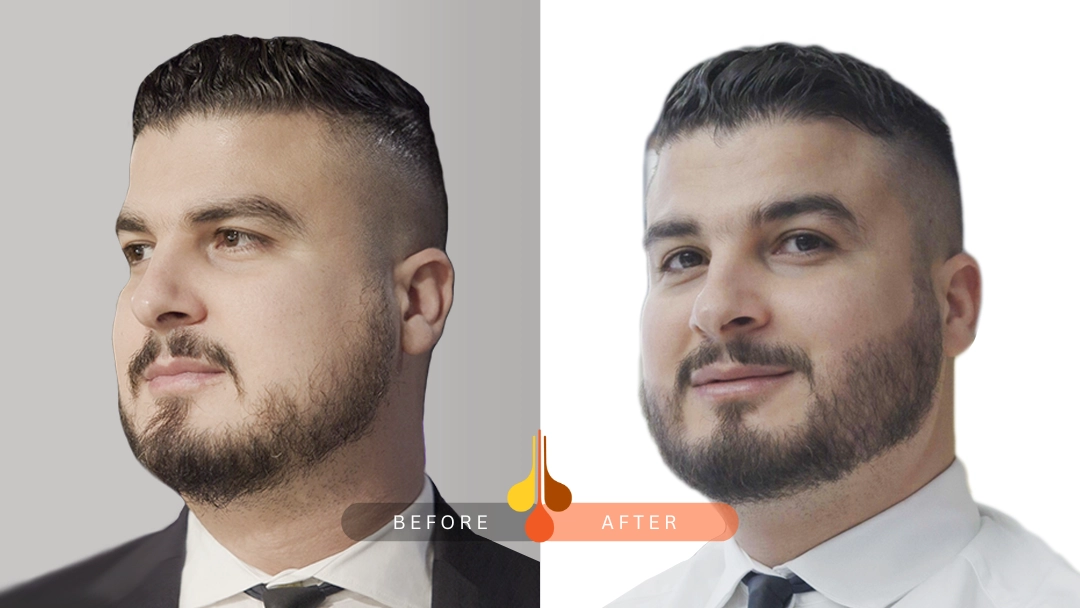
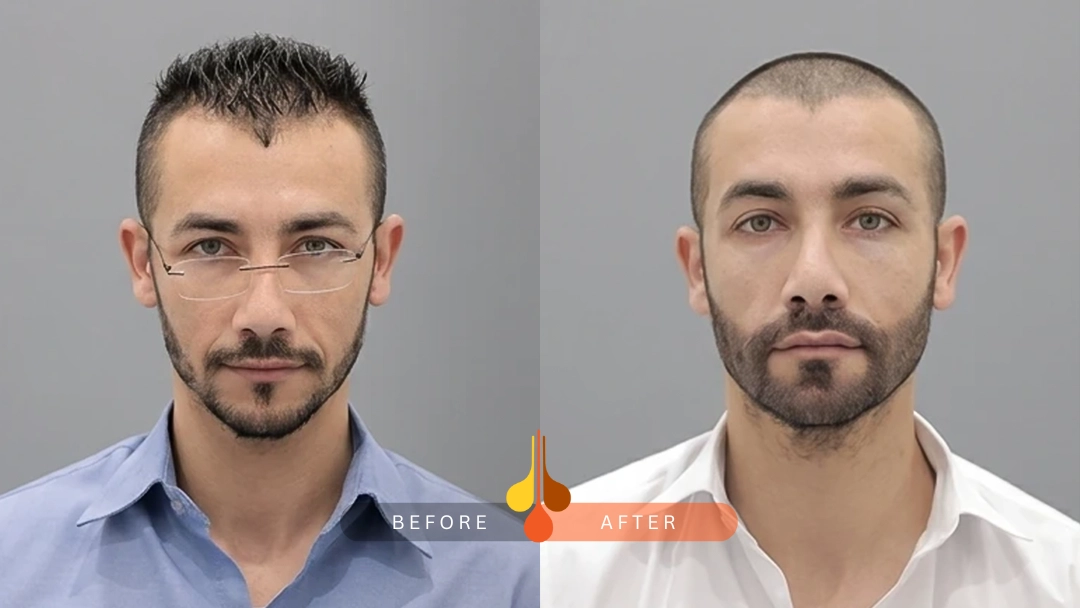
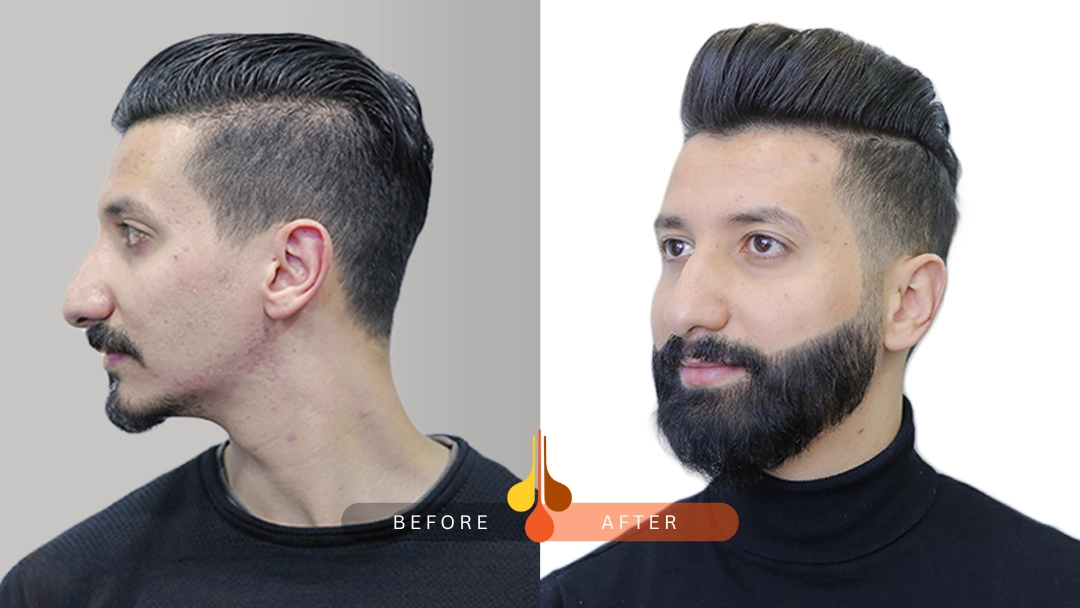
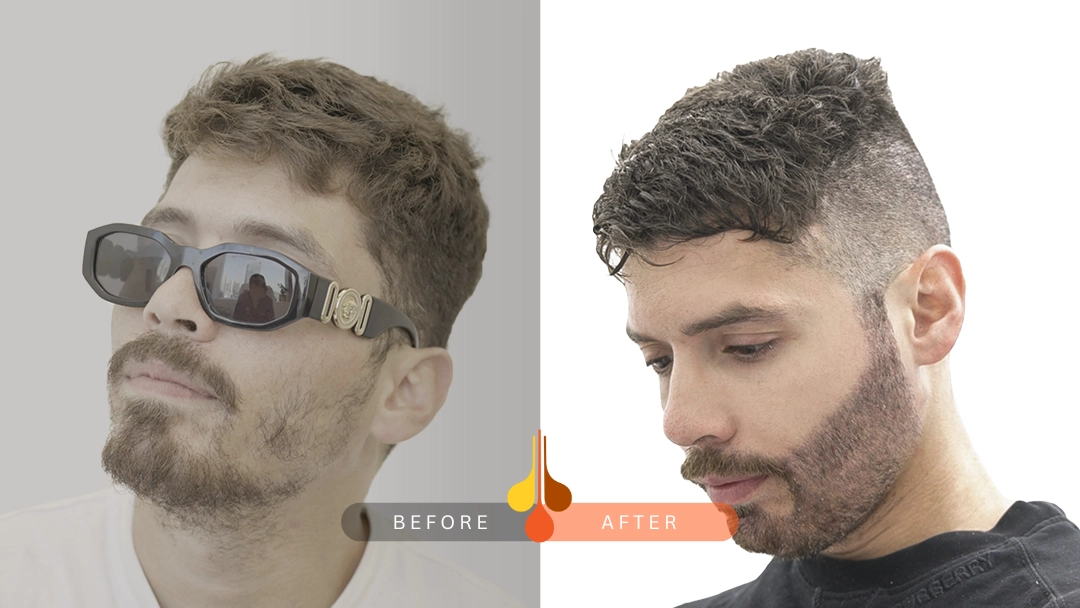
Beard Transplant Qatar: Clinical Facial Hair Restoration With Natural Lines and Stable Density
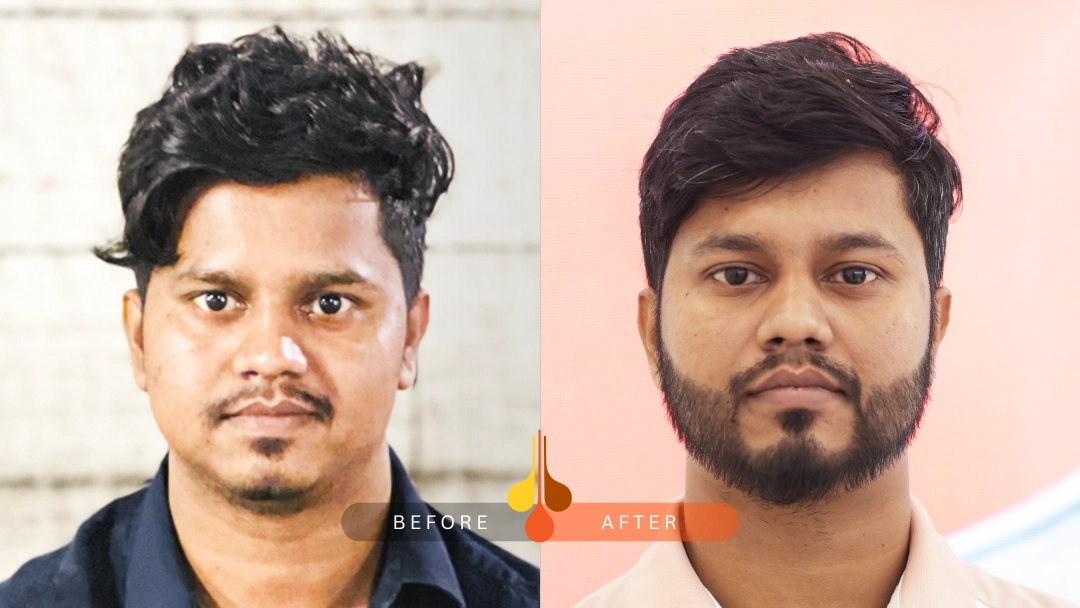
Facial hair growth can be unpredictable. Some patterns stay light on the cheeks, some break into patches, and some never form a clear moustache or jawline frame. In other cases, hair loss follows scars, burns, inflammation, or older acne marks. When the goal is stronger coverage with a natural look, Beard transplant Qatar services often focus on relocating healthy follicles from a donor area to the beard and moustache zones, then placing them with careful angle control.
A modern Beard transplant in Qatar is usually planned like a small architecture project: borders, direction, and density gradients matter as much as graft count. The best results look ordinary in the best way—no harsh edges, no “brush” texture, and no sudden density cliff at the cheek line.
Beard Hair Transplant in Qatar: What the Procedure Actually Does
A Beard hair transplant in Qatar does not “create” hair. It moves hair follicles—most often from the back or sides of the scalp—into facial zones where growth is weak or absent. Each follicle is placed in a tiny opening made at the correct angle and direction so the hair lies flat and blends with native facial hair.
A realistic plan usually respects three clinical realities:
- Donor supply is finite. The donor area must remain healthy and even.
- Facial hair has a complex direction. Cheeks, jawline, chin, and moustache behave differently.
- Density must look believable. A natural beard is not uniform; it has soft borders and graded thickness.
Facial Beard Transplant in Qatar: Common Indications and Design Goals
A facial beard transplant in Qatar is often requested when the shape and symmetry feel incomplete, even if some natural growth exists. Density changes that look minor in the mirror can be obvious in photos under bright light.
Common indications include:
- Patchy cheeks with “open” areas
- Weak jawline outline that disappears with short trimming
- Thin chin zone that fails to anchor the beard
- Asymmetry between left and right cheek density
- Sideburns that do not connect cleanly to the beard
- Scar tissue where hair does not grow
Design goals usually fall into a few categories:
- Soft structure: a stronger jawline and chin presence without a sharp, artificial border
- Balanced cheeks: filling gaps while keeping a gentle gradient
- Natural transitions: blending sideburns, cheeks, and chin as one pattern
- Mature moustache: improved density while preserving realistic hair direction
Beard and Moustache Transplant in Qatar: One Plan for Two High-Visibility Zones
A Beard and moustache transplant in Qatar is often chosen when the beard improves with styling, but the moustache remains thin, split, or uneven. The moustache sits in a highly visible area where angle errors show quickly, especially at short lengths.
Clinical planning for combined work often includes Moustache body density that avoids a “row” effect, Border finesse near the lip line, Connection zones (moustache-to-beard corners) shaped for either a connected or separated look, and cheek gradients that keep the upper border natural in different lighting.
When the focus is specifically on filling both zones as a unified design, the phrase Beard moustache transplant in Qatar often describes that integrated approach.
Beard and Moustache Transplant Surgery in Qatar: Method, Flow, and Key Technical Details
Beard and moustache transplant surgery in Qatar is typically an outpatient procedure using local anesthesia. The method used most often is FUE, where individual follicular units are extracted, prepared, and implanted.
Typical clinical flow (high level):
- Assessment and mapping: donor strength, facial skin quality, scar evaluation, and a design blueprint
Donor harvesting: grafts taken from the safe donor zone with controlled distribution
- Graft sorting: single-hair grafts are often reserved for borders; multi-hair grafts are often used for bulk zones
- Recipient site creation: tiny openings made at low angles that mimic natural facial hair exit
Implantation: careful placement that respects direction changes across each facial zone
Angle and direction are not cosmetic details—they are functional. Incorrect angulation can create hair that sticks outward, looks bristly, and resists styling.
Graft Strategy: Density That Looks Natural Up Close
Facial hair density is a trick of biology and optics. The chin and jaw can carry a higher density without looking strange. Upper cheeks usually look better with a softer edge and a gradual fade.
A practical graft strategy often follows these principles:
- Single grafts at soft borders (upper cheek edge, moustache outline)
- Increased density in structural zones (chin core, jawline frame)
- Moderate density in fill zones (mid-cheek patches, connector areas)
- Conservative planning around scar tissue, depending on skin thickness and blood supply
Table: Typical Treatment Zones, Graft Ranges, and Design Notes
|
Zone
|
Common Focus |
Typical Relative Graft Need |
Design Notes |
| Upper cheek border |
Soft edge, natural fade |
Low to moderate |
Too sharp can look artificial; the angle must be very flat
|
|
Mid-cheek patches
|
Fill gaps, blend islands |
Moderate |
Density must match surrounding hair, not exceed it |
| Jawline frame |
Strong outline, symmetry |
Moderate to high |
Often, the “visual anchor” at short beard length
|
|
Chin core
|
Central density, structure |
Moderate to high |
Higher density can look natural if the direction is correct |
| Sideburn connection |
Continuity into the beard |
Low to moderate |
Direction changes quickly in this zone
|
|
Moustache body
|
Even coverage |
Moderate |
Border finesse matters; avoid straight “rows.” |
| Moustache corners |
Connection shape |
Low to moderate |
Controls whether the look is connected or separate
|
Graft needs vary by skin traits, donor hair caliber, desired density, and whether scars are present. Exact counts require clinical assessment.
Healing and Growth: Expected Pattern Over Time
Early healing is usually straightforward, with small crusts around grafts and mild redness that fades. Swelling can occur, often around the midface. Implanted hairs frequently shed during the first weeks; follicles typically remain and later restart growth.
A commonly observed timeline:
- Days 1–7: crusting and redness most noticeable; swelling may peak early
- Weeks 2–6: surface healing improves; shedding can begin
- Weeks 6–12: “quiet phase” where growth seems slow
- Months 3–4: early regrowth begins, often fine and uneven at first
- Months 6–9: density improves, texture looks more consistent
- Months 9–12: maturation, better blending, easier styling
Some variation is normal across zones. Moustache hair can mature differently from chin hair because of skin movement and local blood supply differences.
Clinical Risk Profile and Appearance Pitfalls
Transplant procedures are generally safe when performed in an appropriate medical setting, but they still carry risks. During the early growth phase, folliculitis can appear as inflamed follicles, and some skin types may hold redness longer than expected. Ingrown hairs can also develop when new hair begins pushing through the surface. In certain cases, density may heal unevenly and later require a touch-up for better balance.
Scar tissue can be less predictable because blood supply and skin thickness vary, which may reduce graft survival in those areas. Another concern is donor-area thinning if extraction is not spread evenly, since poor distribution can make the donor zone look patchy once it heals.
Appearance pitfalls are usually linked to planning and technique rather than biology alone. A cheek line that is made too sharp can look drawn-on instead of natural, especially under bright lighting or in close photos.
If grafts are placed at the wrong angle, hair may grow outward and appear stiff or bristly, making styling difficult. Uniform density across every zone can also look unnatural because real beards typically have gradients, with stronger coverage in the chin and jaw and softer transitions in the upper cheek area.
Moustache borders can become another giveaway if they look overly perfect, since natural moustache edges tend to have subtle irregularity and a softer blend rather than a clean, manufactured line.
Beard Transplant Cost in Qatar: What Typically Drives Pricing
Beard Transplant Cost in Qatar can vary widely because facial work is detail-heavy and graft counts are not standardized. Some cases involve small patch filling; others rebuild cheeks, jawline, chin, and moustache as a full design.
Pricing often reflects a mix of clinical and operational factors:
- Total graft count and complexity of zone coverage
- Inclusion of the moustache and connection work
- Surgeon involvement in design and critical steps
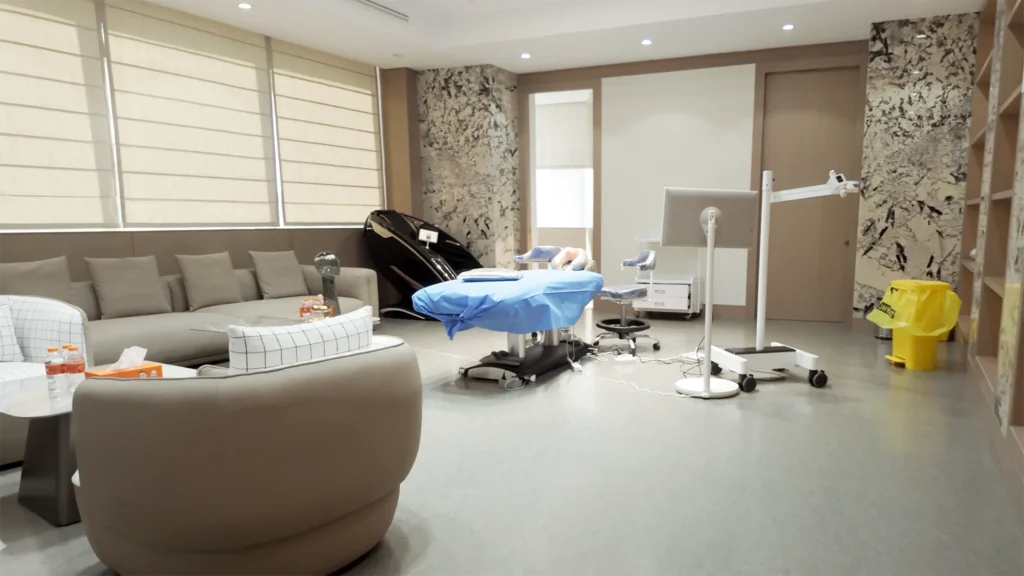
- Team size, operating time, and sterile setup standards
- Donor management approach and graft handling protocols
- Follow-up plan, medical support, and post-op resources
- Scar tissue complexity or a history of previous procedures
The Cost of a beard hair transplant in Qatar is often presented as either a package estimate or a graft-based structure. The most meaningful number is the one tied to a mapped plan with clear zone targets, because “cheap per graft” can become expensive if density planning fails.
Common cost components (non-numeric, clinical view):
- Consultation and medical evaluation
- Procedure day facility and staffing
- Anesthesia approach and monitoring
- Graft harvesting, sorting, and implantation time
- Medications and follow-up schedule
Beard Transplantation Surgeon in Qatar: Clinical Signals That Matter
Choosing a Beard transplantation surgeon in Qatar is not only about credentials; it is about demonstrated control of facial angles, borders, and density transitions. Facial work has less forgiveness than scalp work because the eye naturally tracks symmetry and edge quality.
Signals commonly associated with higher-quality outcomes, such as consistent close-up case photos with different angles and lighting, natural borders that look soft, not stamped, direction that changes realistically across cheek, jawline, and moustache, donor areas that remain even, without patchy extraction marks, and documented planning that explains zone density choices and graft strategy.
A strong result is usually quiet. It does not announce itself as a procedure.
Technique Notes: Why FUE Is Often Preferred for Facial Work
FUE is frequently used because it allows precise graft harvesting with small extraction points, and it supports flexible graft selection for borders versus bulk zones.
Key technique advantages often include:
- Selective graft choice (single vs multi-hair units)
- Controlled donor spread to reduce visible thinning
- Small extraction marks that typically heal well
- Efficient use of grafts for detailed facial mapping
Other methods exist, but FUE is commonly favored for how it matches the precision demands of facial placement.
Aesthetic Design: The “Natural Beard Math”
Aesthetic design in beard restoration often comes down to what could be called “natural beard math”—small, quiet patterns that make facial hair look believable rather than constructed. In most natural beards, the cheek border does not form a hard, straight line; it fades in as a gradient, with scattered fine hairs and a softer transition at the upper edge.
The jawline usually reads cleaner and more defined, but it still avoids a geometric look, because real growth rarely forms a perfectly crisp outline. The chin tends to carry more density than the upper cheeks, acting as a central anchor that gives the beard weight and structure.
Moustache hair also follows its own rules, lying in specific directions that subtly shift near the corners of the mouth, which is why that area can look unnatural if the flow is not respected. Symmetry is important for harmony, but perfectly mirrored sides can feel artificial, since natural growth typically includes small differences.
Strong planning works with these patterns—building gradients, respecting direction changes, and placing density where the face expects it—rather than forcing a uniform design that fights how facial hair naturally behaves.
Realistic Outcomes: Coverage, Texture, and Maturation
Transplant results can look very natural, but final density and texture depend on donor hair traits, skin healing, and precise placement.
|
Result factor
|
Why it matters |
What supports better blending |
| Genetic density limit |
A transplant improves coverage, but may not match the thickest natural beard patterns. |
Realistic density targets and zone planning.
|
|
Donor hair traits
|
Thickness, curl, and color influence how full the beard appears. |
Donor selection that matches the facial hair character. |
| Border design |
Hard edges can look artificial at close range. |
Softer-density borders with a gentle fade.
|
|
Placement angle
|
Upright placement can make hair stand out and feel stiff. |
Low angles so hair lies flat and follows natural flow. |
| Facial hierarchy |
Some zones naturally carry more density than others. |
Higher density in the chin and jaw, lighter gradients in the upper cheeks.
|
|
Scar predictability
|
Scar tissue can reduce survival and alter texture. |
Conservative planning and careful spacing in scar zones.
|
Clinical Note
This information describes common approaches and outcomes in general terms. Individual suitability, graft needs, and risk profile depend on medical history, skin condition, and donor assessment performed in a clinical setting.