


FUE
Proper scalp care, following a nutrient-rich diet, undergoing PRP (Platelet-Rich Plasma) sessions, and avoiding excessive styling help preserve long-term results.



Technique
FUE |

Procedure Time
6-8 hours |

Anesthetic
Local |

Recovery Period
5-10 days |

Back to Work
2-5 days |

Results Start to Show
in about 5 months |

Transplant Longevity
lifelong |

Average Candidate's Age
+25 years |
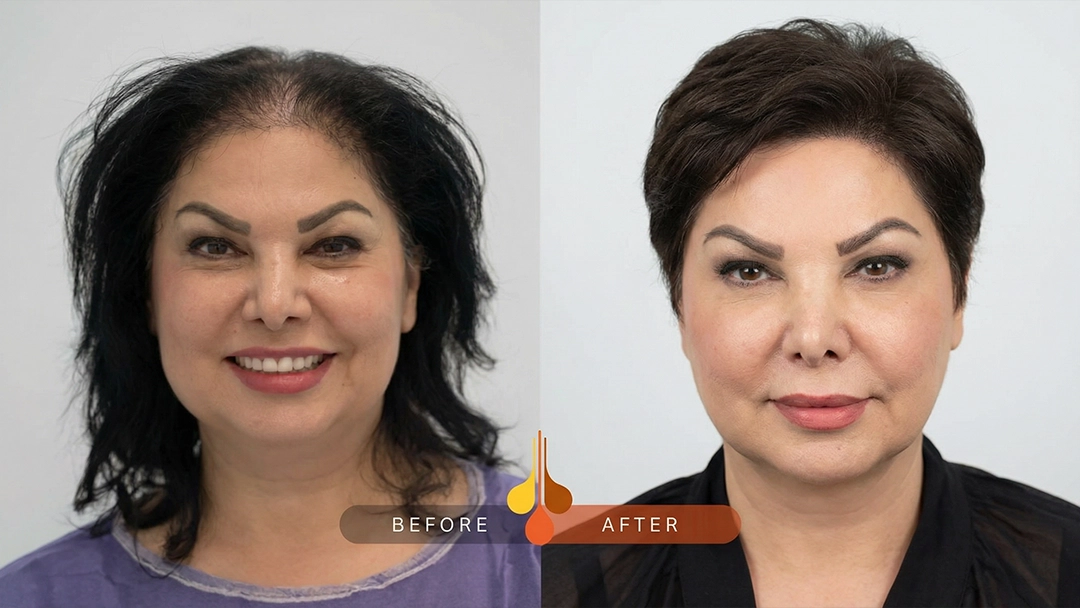

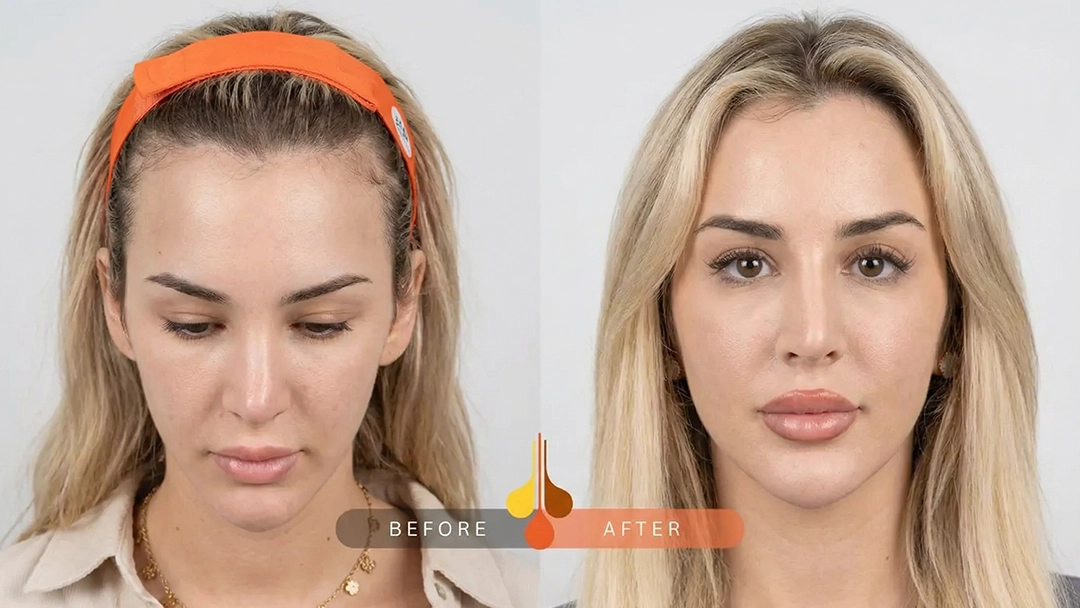
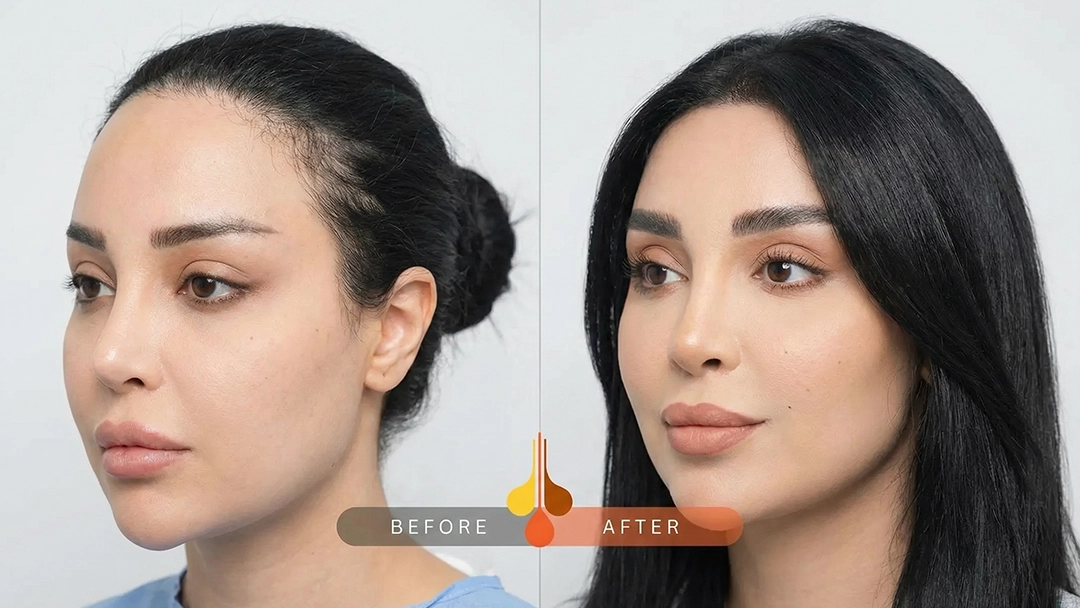


Our interactive Hair Graft Calculator is more than just a numbers tool—it’s designed to help you plan your hair restoration journey with clarity and confidence.

Personalized Hair Restoration
A treatment plan tailored to your face shape and natural hair growth. |

Renewed Confidence
Restore fuller hair and feel more confident in your appearance. |

Suitable for All Hair Types
Effective for straight, wavy, and curly hair. |

A Long-Term Solution
A reliable option beyond temporary hair loss treatments |

Naturally Refined Results
A soft, natural-looking hairline that blends seamlessly. |

Smooth & Quick Recovery
Minimal downtime with a comfortable recovery process |
Hair loss in women can result from several factors, including:
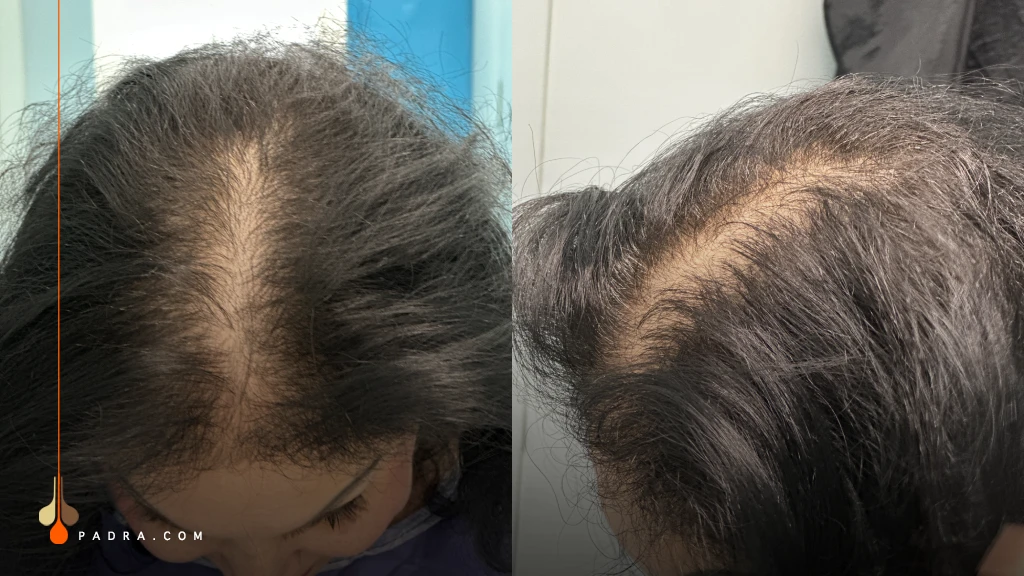
Unlike men, who typically develop receding hairlines or bald spots, women experience diffuse thinning across the scalp. This makes ladies’ hair transplant procedures more complex, as there’s often less donor hair available compared to men.
Hair transplants are ideal for localized hair loss, such as:
However, diffuse thinning across the entire scalp may not make you a good candidate. In such cases, PRP therapy, medications, or non-surgical treatments might be recommended instead.
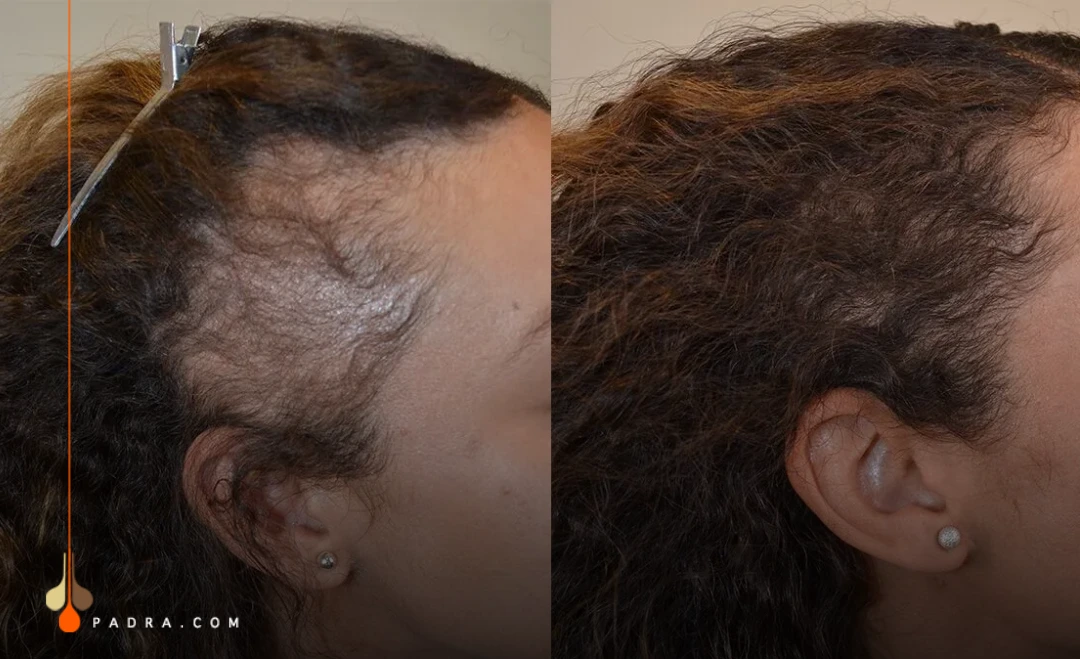
Hair transplants for women are not only possible but can be highly effective when performed using the right techniques. However, the process differs from male hair restoration in several ways. Women often have diffuse thinning rather than localized bald patches, meaning the donor area must be carefully selected to ensure a natural, seamless look. Additionally, many women prefer a method that does not require shaving their heads, which is possible with specialized techniques such as DHI (Direct Hair Implantation) or selective FUE (Follicular Unit Extraction).
Absolutely! However, the procedure is different for women than for men.
One of the biggest concerns is whether women need to shave their head for a hair transplant. The good news is:
Yes, but success depends on the cause of hair loss. If healthy donor hair is available, results can be just as effective as in men. However, women with diffuse thinning may need a combination of PRP therapy and medications for optimal results.
Women considering hair transplants have multiple options, each designed to address different hair loss patterns and personal preferences. The right technique depends on factors such as the extent of hair thinning, the availability of donor hair, and whether a patient prefers a non-shaven approach. Below is a breakdown of the most effective hair transplant methods available for women.
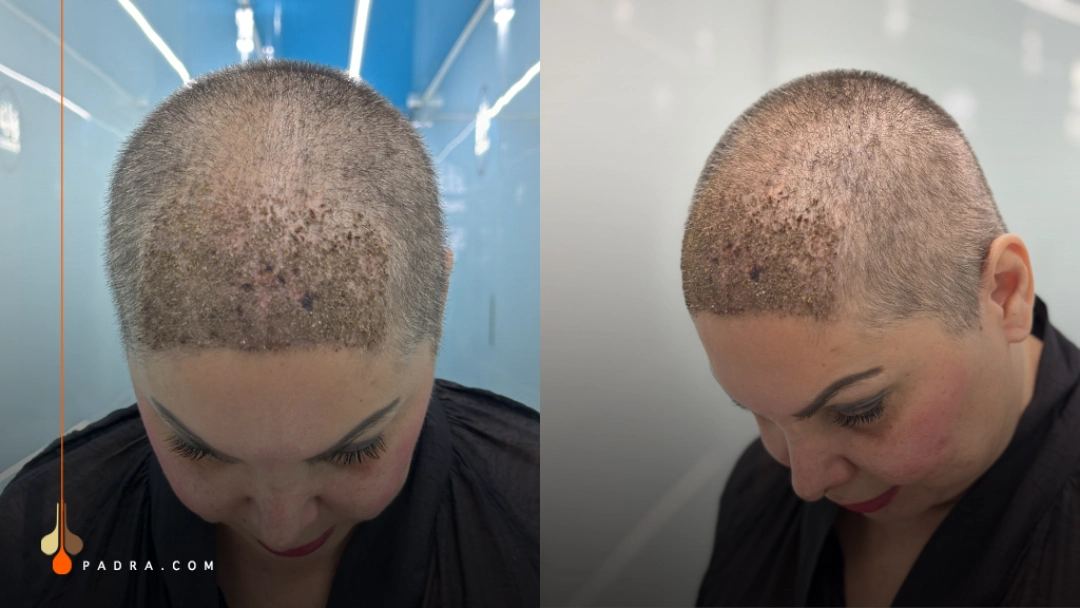
Caring for your hair after a transplant involves two critical phases: the immediate recovery period, which ensures proper healing and graft survival, and long-term maintenance, which supports healthy hair regrowth. Women who opt for non-shaven techniques need to take extra precautions to avoid dislodging grafts while maintaining their existing hair. Below is a breakdown of what to expect in each stage.
Maintaining the results of a hair transplant requires consistent care and attention beyond the initial recovery phase. Women, especially those who opt for non-shaven techniques, must follow a structured regimen to keep both transplanted and natural hair healthy. By adhering to the right follow-up schedule and adopting long-term scalp care practices, you can maximize the longevity and natural appearance of your results.
Choosing the right clinic is one of the most important steps in ensuring a successful hair transplant. Women have unique concerns, such as achieving natural density, avoiding a shaved appearance, and ensuring minimal scarring. To get the best results, consider the following factors:
At Padra Clinic, we understand that female hair restoration requires a tailored approach. We offer:
Hair implants for women provide a permanent, natural solution to hair loss. Whether you’re dealing with thinning hair, a receding hairline, or bald spots, modern female hair transplant techniques like DHI, FUE, and FUT offer effective restoration without the need for shaving.