








A widow’s peak, characterized by a distinctive V-shaped point at the center of the forehead, is a natural feature for many people. While some embrace their widow’s peak, others may feel that it doesn’t align with their ideal aesthetic. If you’re considering options to refine or remove your widow’s peak, a hair transplant can offer a long-lasting solution.
In this article, we will explore how hair transplants can help you reshape your hairline, compare techniques like FUE and FUT, and discuss important factors such as graft requirements, costs, and alternative treatments. Whether you’re just starting to explore options or ready to take the next step, we’ll guide you through everything you need to know about widow’s peak hair transplants.
Hair Transplant for Widow’s Peak
A widow’s peak is a naturally occurring V-shaped point in the hairline. While it is often simply a genetic trait, in some cases it can become more pronounced due to hair loss at the temples.

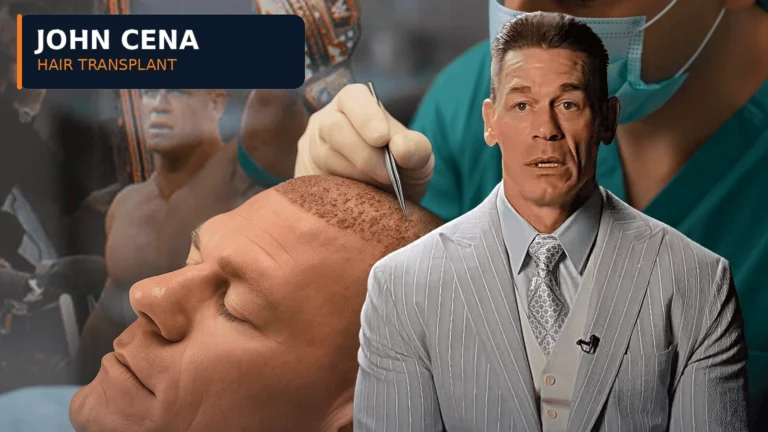
A hair transplant for a widow’s peak involves extracting healthy hair follicles from donor areas—typically the back or sides of the scalp—and meticulously implanting them along the hairline to create a more balanced and symmetrical shape. Techniques such as Follicular Unit Extraction (FUE) are often used because they allow for precise placement of individual grafts. Surgeons pay close attention to the natural angle, direction, and density of the hair to ensure a seamless and natural-looking result. This tailored approach allows patients to restore a softer, more aesthetically pleasing hairline with minimal scarring and downtime.
Widow’s Peak vs. Receding Hairline: What’s the Difference?
It is vital to differentiate between a natural widow’s peak and a receding hairline before considering hair transplant options. A widow’s peak is a naturally occurring V-shape present from an early age and does not necessarily indicate hair loss. In contrast, a receding hairline typically involves hair thinning at the temples and forehead, progressively moving backward.
Accurate diagnosis ensures the correct treatment plan. Tools like the Norwood scale and advanced hair density mapping help hair restoration specialists to provide personalized solutions.
Widow’s Peak in Women: Unique Challenges and Solutions
Women with widow’s peaks often face unique emotional and aesthetic challenges. A prominent widow’s peak may be perceived as masculinizing or may feel out of balance with softer facial features. Unlike male-pattern baldness, female hair loss is typically more diffuse, making the presence of a widow’s peak more noticeable.

For women, the approach to widow’s peak correction may involve hairline feminization techniques to create a more traditionally feminine contour. Techniques such as Follicular Unit Extraction (FUE) are especially suited for women, offering natural results with minimal scarring.
You might also like to know about: Non-Surgical Hair Restoration: The Best Non-Surgical Hair Restoration Treatments
How Does a Widow’s Peak Hair Transplant Work?
A widow’s peak hair transplant follows a meticulous and artistic process to ensure natural-looking results. The main steps include:
- Consultation and Planning: The surgeon evaluates the patient’s hairline, discusses goals, and designs the optimal hairline shape.
- Donor Hair Extraction: Healthy follicles are extracted from the donor area, typically the back or sides of the scalp, using the FUE method.
- Recipient Site Preparation: Tiny incisions are made in the widow’s peak area, carefully considering the natural angle and direction of hair growth.
- Graft Placement: Individual follicles are implanted into the prepared sites, with attention to creating a natural, symmetrical hairline.
- Post-Procedure Care: Patients receive detailed aftercare instructions to promote healing and maximize graft survival.
Each step is customized to ensure that the final outcome blends seamlessly with the patient’s existing hair.
Unshaven Widow’s Peak Hair Transplant: A Discreet Option
An unshaven hair transplant, also known as “no-shave FUE,” allows patients to undergo hair restoration without shaving the existing hair in the recipient area. This technique is ideal for those who want to maintain discretion, as it minimizes visible signs of surgery.
Read more: Unshaven Hair Transplant: How Viable Is It?
Unshaven widow’s peak correction involves carefully extracting donor hair follicles and transplanting them into the V-shaped area without altering the surrounding hair. Although slightly more labor-intensive and time-consuming for the surgeon, it offers an excellent solution for individuals seeking subtle refinement.
|
Pros of Unshaven Hair Transplant |
Cons of Unshaven Hair Transplant |
|
Maintains the appearance of existing hair with no visible shaving. |
More time-consuming and technically demanding for the surgeon. |
|
Provides a discreet recovery process. |
Slightly higher cost compared to traditional shaved procedures. |
|
Allows patients to return to social and professional life quickly. |
May not be suitable for extensive hair restoration cases where larger areas require transplantation. |
Best Hair Transplant Techniques for Correcting Widow’s Peak
The most effective techniques for addressing a widow’s peak include Follicular Unit Extraction (FUE) and Follicular Unit Transplantation (FUT). However, when the widow’s peak is the sole target of the transplant, FUT may not be the best option. FUT involves removing a strip of scalp, which can be unnecessarily invasive for such a localized and small area, and it leaves a linear scar that is disproportionate to the minimal graft requirement.

FUE, on the other hand, is often preferred for widow’s peak correction for several reasons:
- Allows for the precise extraction and placement of individual hair follicles.
- Minimizes scarring, as it does not require the removal of a strip of scalp.
- Provides a more natural and symmetrical hairline, particularly important in the highly visible widow’s peak area.
- Enables faster healing and less downtime compared to FUT.
- Ideal for small, localized areas like a widow’s peak without unnecessary invasiveness.
How Many Grafts Do You Need?
When only the widow’s peak is the target for correction, the number of grafts required is typically lower compared to broader hair restoration procedures. On average, patients may need between 300 to 800 grafts, depending on the size, prominence, and desired reshaping of the widow’s peak. A localized approach ensures the procedure is less invasive, quicker, and easier to recover from.
How Much Does It Cost?
The cost of a widow’s peak hair transplant can vary depending on factors such as the number of grafts needed, the technique chosen (like FUE), and the clinic’s location and expertise. Since the widow’s peak area is typically small, procedures targeting only this region often require fewer grafts, which may reduce overall costs.
For a personalized estimate based on your hairline goals, we recommend using our Smart Graft Calculator Tool to better understand the potential number of grafts needed and associated pricing.
Alternative Treatments for Managing Widow’s Peak Hair Loss
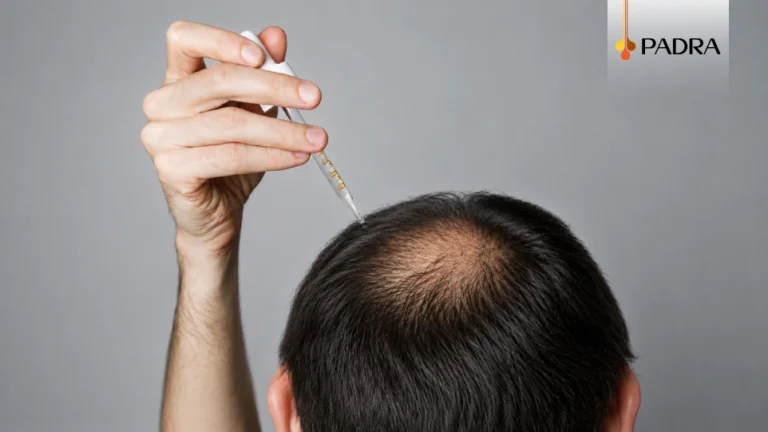
For those who are not ready for surgery or whose hair loss is minimal, several non-surgical options exist. These treatments can either slow the progression of hair loss or enhance hair density, offering patients flexibility in managing their hair restoration journey:
- Medications: Topical treatments like Minoxidil and oral medications such as Finasteride help maintain existing hair density and prevent further loss.
- Platelet-Rich Plasma (PRP) Therapy: A regenerative treatment that uses the patient’s own plasma, rich in growth factors, to stimulate dormant hair follicles and encourage regrowth.
- Scalp Micropigmentation (SMP): A cosmetic solution that involves tattooing tiny pigment deposits to mimic the appearance of a fuller, denser hairline.
- Fotona Laser Hair Growth Therapy: An advanced laser treatment that uses controlled laser pulses to stimulate blood circulation in the scalp and reactivate weakened hair follicles, promoting thicker hair growth.
- Hair Mesotherapy: A minimally invasive technique where vitamins, minerals, and amino acids are microinjected directly into the scalp to nourish hair follicles and improve hair density.
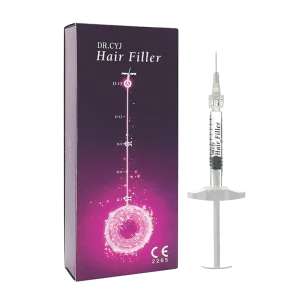
- Hair Filler Injections: Specialized injections containing biomimetic peptides designed to strengthen hair roots, reduce hair loss, and boost the vitality of thinning hair.
These alternatives can be effective for managing early-stage hair loss, maintaining hair density after a transplant, or delaying the need for surgical intervention. At Padra Clinic, we offer personalized assessments to determine the most suitable combination of treatments based on each patient’s unique hair restoration goals.
Find more options at Hair Loss Treatments.
Conclusion
A widow’s peak hair transplant is a precise and artistic procedure that can significantly enhance facial harmony and confidence. Whether you are considering surgical or non-surgical solutions, understanding your options and working with an experienced team is key to achieving natural, satisfying results.
Padra Clinic stands out internationally for its excellence in hair restoration. Whether you are seeking subtle refinement or a dramatic hairline transformation, our customized treatments are designed to meet your specific needs.
Book a consultation today and take the first step toward a more confident you!