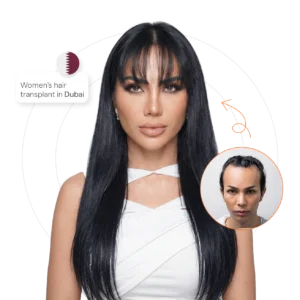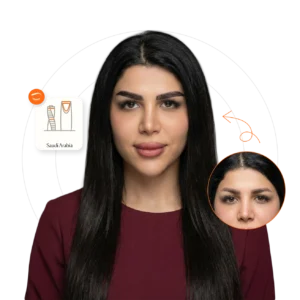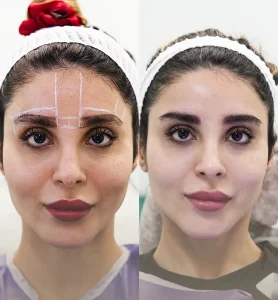





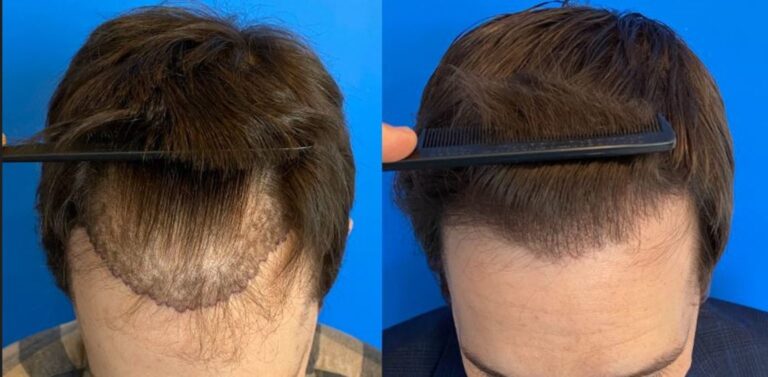

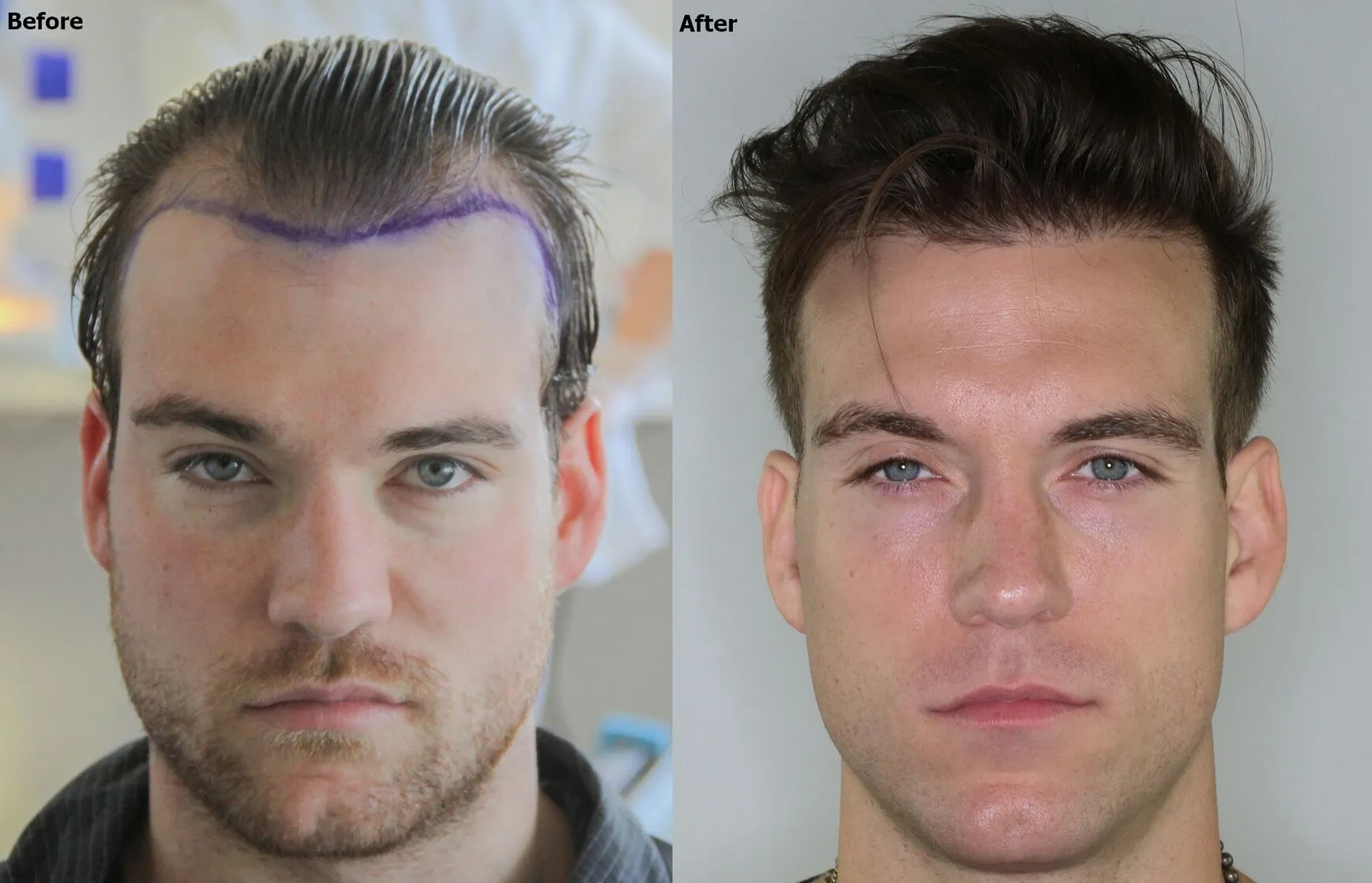
- Restores hairline and adds fullness to frontal & mid-scalp.
- Contains ~6,000–9,000 hairs (1–4 per graft).
- Results vary by hair type, donor quality, scalp size, and placement.
- Noticeable growth: 3–6 months; mature results: 9–12 months.
- Strategic placement creates natural density; not ideal for extensive baldness.
- Evaluate before/after photos under consistent conditions for realistic expectations.
If someone says “3500 grafts hair transplant before and after”, they usually want a clear picture: how much hair will cover my head, where will it look thicker, and how realistic are the photos? We describe what 3,500 grafts can and cannot do, why results change from person to person, and how to read before-and-after images so you make smart choices — not just chase a number.
What Does 3,500 Grafts Mean in a Hair Transplant?
A graft is a small unit of scalp that usually contains 1–4 hairs. So 3,500 grafts does not equal 3,500 hairs. Expect something like 6,000–9,000 hairs in total depending on how many hairs each graft carries.
Average hairs per graft
- Single-hair grafts: often for delicate hairline work.
- 2–3 hair grafts: common for mid-scalp and filling.
Actual hairs-per-graft depends on your donor supply.
Why graft count alone doesn’t define results
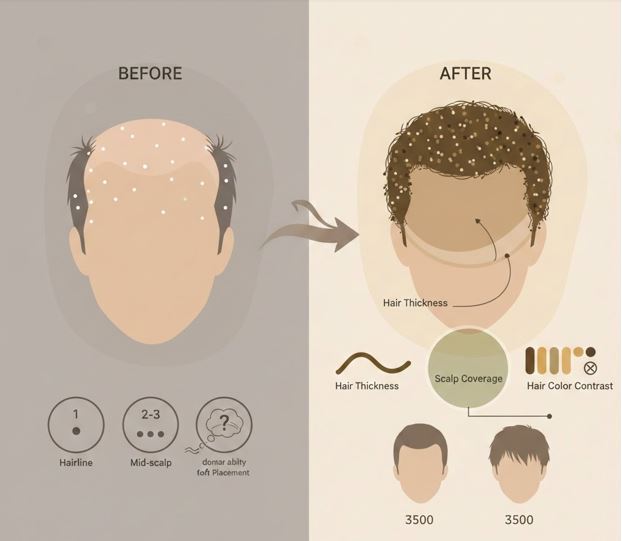
Graft numbers are a planning tool — useful, but incomplete. You also need to consider hair thickness, scalp size, hair color contrast, and where the grafts are placed. Two people with 3,500 grafts can look very different.
Which Areas Are Typically Covered With 3500 Grafts?
3,500 grafts can rebuild a natural, lower hairline and add volume to the frontal third of the scalp. This is common when the goal is to restore facial framing.
If the hairline is already acceptable, the grafts can be spread to the frontal and mid-scalp to improve overall fullness.
The crown is a wide area. 3,500 grafts can help reduce visibility there, but full dense coverage of a large crown often needs more grafts or a second session.
3500 Grafts Hair Transplant Before and After — Typical Visual Changes
Most people notice the biggest aesthetic gain when the hairline is restored. Even modest density in the front changes how the face looks.
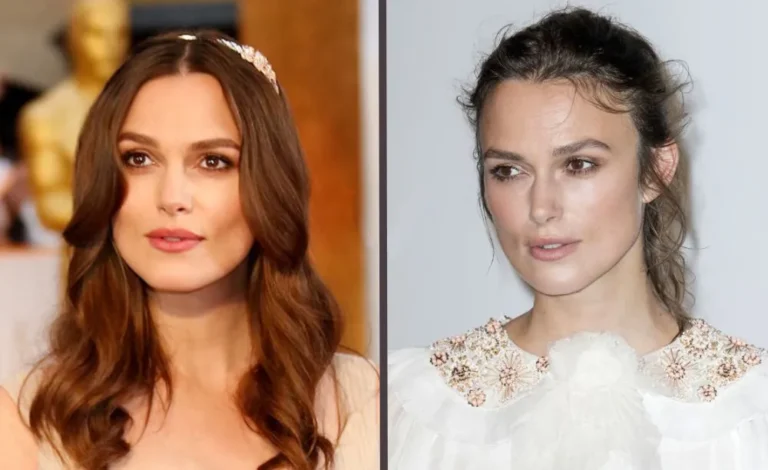
Expect greater coverage and a natural look — not the ultra-thick density seen in some celebrity photos. The goal is to make hair look fuller and younger while keeping a realistic texture.
Why “after” photos can look misleading
Lighting, hair length, styling, and camera angle all affect photos. After pictures that show dramatic change may also use styling tricks. Learn to spot these (see “How to Evaluate Before and After Photos” below).
Curious how 3,500 grafts look for your hair pattern?
See real case examples Designed for hairline, mid-scalp, and crown patterns.
Timeline Matters — When Do Results From 3500 Grafts Become Visible?
Hair transplant results unfold gradually. Understanding each phase helps set realistic expectations for when 3500 grafts will show noticeable improvement.
Early post-op appearance (0–2 months)
The grafts look in place but the hair may be short, crusted, or thin. Don’t judge final results here.
Shedding phase (2–4 months)
It’s normal for transplanted hairs to shed. This is temporary and part of the growth cycle.
3–6 months vs 9–12 months results
- 3–6 months: new thin hairs appear; visible improvement starts.
- 9–12 months: most people see a clear, mature result. Some refinement continues into month 12–18.
Why Results From 3500 Grafts Vary Between Patients
Thick hair and low scalp contrast (hair close to skin color) produce better coverage with fewer grafts. Thin, fine hair needs more grafts for the same visual effect. Healthy, dense donor hair lets surgeons harvest more grafts with minimal thinning of the donor zone.
A wide front and extensive crown need more grafts than a small frontal recession. The same 3,500 will give different coverage depending on area size. How grafts are placed — density at the hairline vs the mid-scalp, angle, and layering — changes the final look. Good planning mimics natural growth patterns.
3500 Grafts vs Other Graft Counts
Comparing graft numbers helps set realistic expectations — sometimes a few hundred extra grafts make a noticeable difference, but strategic placement often matters more than sheer quantity.
3000 vs 3500 grafts
The extra 500 grafts can make a visible difference if placed strategically — often improving density in a targeted zone. But the visual gain depends on hair type and scalp size.
3500 vs 4000 grafts
Another 500–1,000 grafts can help a larger crown or add thicker density. However, more grafts aren’t always better if donor supply or angle control are limited.
Why “more grafts” isn’t always better
Over-harvesting donor hair or cramming grafts too tightly harms long-term naturalness. Quality of placement trumps sheer quantity.
Can 3500 Grafts Create High Density?
3500 grafts won’t guarantee maximum density for every scalp, but with the right hair characteristics, planning, and placement it’s often enough to produce a natural, high-density appearance.
Density vs illusion of fullness
True high density requires lots of grafts and favorable hair characteristics. But smart placement — staggered layering, a softer hairline, and direction control — can create a strong illusion of fullness.
Strategic placement principles
- Use single hairs at the most visible front.
- Add multi-hair grafts behind to bulk up coverage.
- Match hair angles to natural patterns.
Hairline design considerations
A naturally designed hairline with slight irregularities looks denser and more realistic than a straight, thick line.
What 3500 Grafts Cannot Do
While 3500 grafts may not achieve maximum density for every scalp, careful planning and placement can create the appearance of a full, natural head of hair.
Unrealistic expectations to avoid
- It won’t restore the look of a full head of youthful hair for very extensive baldness.
- It can’t change hair texture or color.
Large, Norwood 6–7 patterns usually need staged procedures. 3,500 grafts may only partially cover the area. A second session can handle remaining thin areas or the crown once initial healing and growth are assessed.
How to Evaluate 3500 Grafts Before and After Photos Correctly
Accurate photo evaluation is key — consistent conditions and clear timelines help you judge real results, not illusions.
Same lighting, angle, and hair length
Look for photos taken under consistent conditions. Different lighting or a different haircut can exaggerate change.
Timeline transparency
Good galleries note the months post-op. Images labeled “6 months” vs “12 months” are not the same.
Donor area visibility
Check the donor scar and how dense the donor zone looks after harvest. A healthy donor area suggests responsible harvesting.
Tip: Ask the clinic for raw, unedited images or time-lapse progress of the same patient.
Final Thoughts — Is 3500 Grafts the Right Number for You?
3,500 grafts is a practical, often effective number for many frontal and mid-scalp cases. But the only reliable answer comes from a medical assessment that looks at your hair type, pattern of loss, donor strength, and goals. Treat the number as part of a plan. The outcome depends on placement strategy, hair quality, and healing — not the count alone.