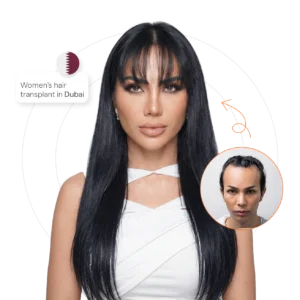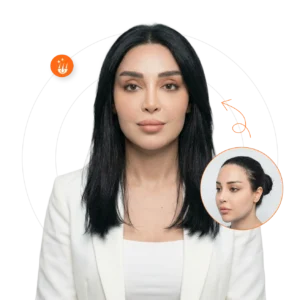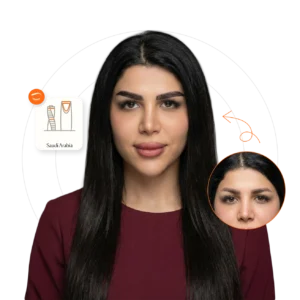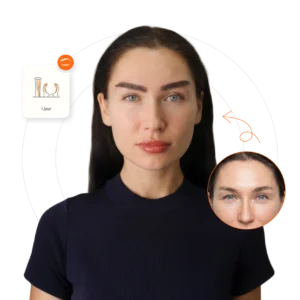






- Why Photos Matter: Before and after images offer a glimpse into results but can be misleading due to lighting, angles, and styling tricks.
- Timeline: Full results take months—expect shedding at 3 months, with real growth seen between 6-12 months.
- Hairline & Crown: A natural hairline is key, but crown restoration can take longer with less density.
- Manage Expectations: Photos are just guides—results vary based on individual factors like hair type, skin color, and donor area quality.
When considering a hair transplant, one of the first things most people do is look at before and after pictures. They give us an idea of what results could look like, but there’s more to them than just a visual transformation. In this guide, we’ll break down how to interpret these photos properly and understand what’s realistic versus misleading.
Why Before and After Photos Matter in Hair Transplant Decisions
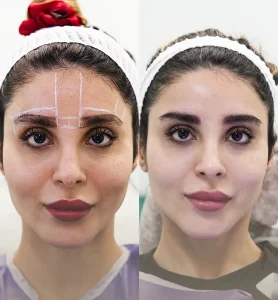
Before and after images are powerful tools for understanding hair transplants, but they can sometimes be misleading. Yes, they show real results, but they don’t always tell the full story. For instance, camera angles, lighting, and even styling tricks can make results look better than they actually are.
However, these photos are important for people researching hair restoration options. They provide an initial glimpse of what’s possible, but they shouldn’t be the only factor in your decision-making process.
Ready to see how your hair type could impact results?
What Do Hair Transplant Before and After Photos Actually Show?
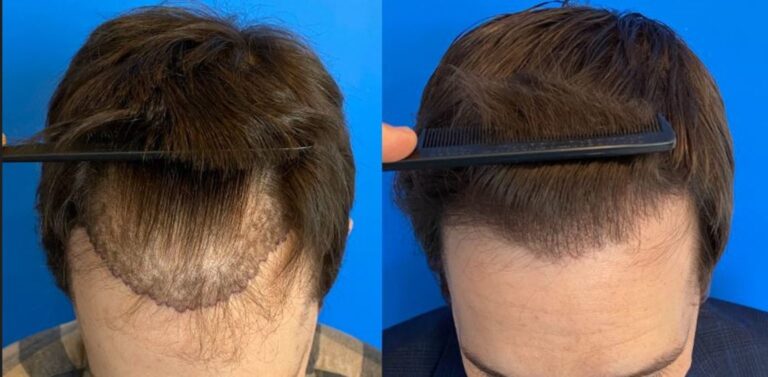
One of the main benefits of a hair transplant is increased density. Photos will often show areas of thinning or balding that have been filled in with newly transplanted hair. But keep in mind, photos can sometimes make the results look fuller than they are in person.
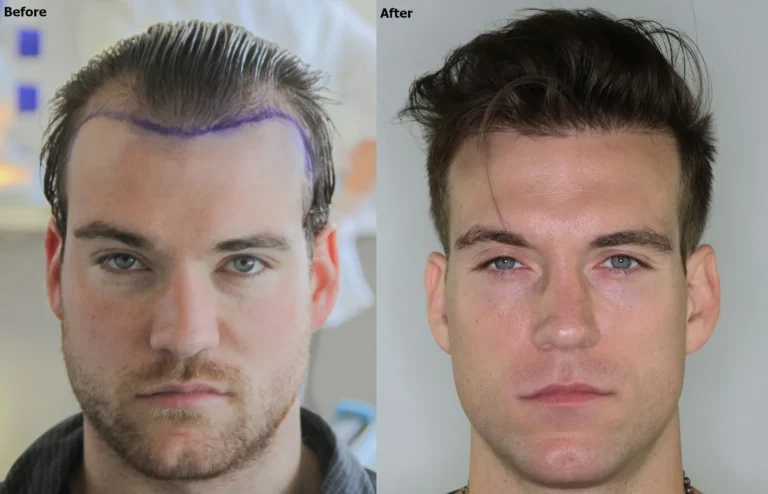
Many before and after photos focus on the hairline, especially for men. A well-defined hairline can completely change someone’s appearance. However, the shape and angle of the hairline will vary from person to person, so what looks great for one patient might not work as well for someone else.
It’s easy to look at a photo showing full coverage and expect thick, voluminous hair. But in reality, the transplanted hair might not have the same thickness or texture as the original hair. This is particularly true for people with fine or curly hair.
Hair Transplant Results by Timeline
Understanding the timeline of hair transplant results is crucial in managing expectations. From the first few days to the full results, hair restoration is a gradual process. Here’s what you can expect at each stage after your procedure.
Immediate Post-Op: Day-by-Day
Right after a hair transplant, your scalp will probably look a little red, and there will be scabs in the transplanted areas. You may even notice some shedding in the first few weeks. This doesn’t mean the procedure has failed—it’s just part of the process. Expect to see the full results after a few months.
The 3-Month Mark
Around the three-month point, the transplanted hair will start to shed as part of the natural cycle. At this stage, don’t expect to see much growth yet. This shedding is temporary and part of the process as new hair starts to grow in.
6 to 12 Months: The Real Results
Now, you’ll start seeing the hair grow in at a more consistent pace. It’s at this point you’ll notice the actual density and thickness returning, and the hair will start to settle into its natural direction.
The Importance of Hairline Photos
Your hairline plays a significant role in how natural your hair transplant looks, and evaluating hairline photos accurately is essential for setting realistic expectations. When reviewing before-and-after images, pay attention to the finer details that reveal whether the results are truly natural or overly altered.
Natural vs. Artificial
Your hairline is one of the most visible features, and creating a natural-looking hairline is a delicate art. Unfortunately, some before and after images show unnatural, straight-across lines that don’t look realistic. A natural hairline should follow the natural curve of your forehead and fit your face.
Why Hairline Photos Can Be Misleading
Many photos only focus on the front view, which can make a hairline look more dramatic or “perfect” than it is. But the side and top angles will give you a more complete picture of the final result.
Understanding Crown Hair Transplant Results
If you’re looking to restore hair in the crown (the top back of your head), it’s important to know that the results can take longer to show. The crown area grows in a spiral pattern, so the hair might take more time to fully fill in.
It’s easy to imagine your crown area as thick as the hair on the rest of your head, but it might not always work out that way. The crown area can be more difficult to treat, and sometimes results are less dense than other areas.
FUE: Follicular Unit Extraction Results
One of the big selling points of FUE (Follicular Unit Extraction) is that it leaves minimal scarring. However, you might still notice small scars in the donor area, though they are usually hard to spot once they heal.
Some people think FUE doesn’t leave scars at all, but that’s not the case. It’s just that the scars are tiny and dispersed, making them less visible. Understanding the healing process will help manage expectations.
How to Spot Authentic Hair Transplant Photos
When you’re looking at before and after pictures, check for consistency in things like camera angle, lighting, and hair length. Authentic photos should show the same angle for both the “before” and “after” shots, with no drastic lighting changes. If you see a dramatic difference in lighting or angles, the photo might be manipulated.
Misinterpretations of Hair Transplant Results
Sometimes, hairstyling products are used to make the hair look thicker or fuller than it really is. Always keep this in mind when looking at hair transplant before and after photos. Photos that show the hair wet might make it look thinner than it really is. Always try to compare photos of hair that’s dry and styled in a natural way.
Why Results Vary Between Patients
Everyone’s hair and skin are different, which is why results will vary. Factors like your natural hair texture, the color contrast between your skin and hair, and the amount of hair loss will affect the final outcome.
Setting Realistic Expectations
Photos should be used as a guide, not as promises. While many people experience great results, it’s important to understand that hair transplant results can’t guarantee perfection. A realistic approach to expectations is key to a positive outcome.
When Should Before and After Photos Raise Red Flags?
If a photo shows an overly dramatic transformation with no clear timeline, or if the donor area isn’t shown, these should raise some red flags. Also, if the images seem overly polished or unrealistic, be cautious.
Final Thoughts — Using Before & After Photos the Right Way
Before and after photos are a useful tool, but they’re just one part of the equation. Use them as a reference, but always remember that results depend on your individual circumstances. It’s best to have a professional assessment to understand what’s possible for you.