







A Black female hair transplant is a specialized procedure designed to restore thinning edges, crowns, and volume while preserving natural curl patterns. Because Afro-textured hair has curved follicles, success depends on adapted techniques like FUE or DHI and an experienced surgical team.
- Effective for traction alopecia, genetic loss, and some scarring conditions
- Requires customized tools and curl-aware design
- Results develop gradually, with fuller, natural curls visible within 12 months
Expert planning is key to safe, confident outcomes.
If you’re a Black woman noticing your hair thinning out or those edges not bouncing back like they used to, you’re not alone. A black female hair transplant could be a real option to bring back that fullness without losing your unique texture.
Think of it as a way to address hair loss customized just for you, whether it’s an African American female hair transplant or a hair transplant Black woman focused on curly patterns. We’ll walk through the basics, from what makes your hair special to real talk on results, all to help you feel informed and ready to chat with a pro.
Can Hair Transplants Work Well for Black Women?
Effective for Black Women: Hair transplants are a viable option, with increasing numbers of women experiencing positive transformations daily.
Adapted Techniques: Standard procedures are modified to safely manage tight coils, ensuring the new hair grows back matching your natural texture.
High Satisfaction Rates: Research indicates over 80% of patients are pleased with results, particularly when surgeons specialize in Afro-textured hair.
Practical Benefits: It’s not a miracle cure, but it often reduces reliance on wigs or frequent styling fixes.
Take Action: If this resonates, consider a free virtual consultation to explore a customized hair transplant African American woman plan—small step, major impact!
Ready for personalized insights?

How Black Women’s Hair Stands Out in Transplant Procedures
Works for Black women: Hair transplants can be an effective option, and many women are seeing noticeable, confidence-boosting results.
Techniques are customized: Surgeons adjust standard methods to protect tight coils and ensure new hair grows in with your natural texture.
High satisfaction: Over 80% of patients report being happy with their outcomes, especially when treated by specialists in Afro-textured hair.
Realistic expectations: It’s not a miracle cure, but it can significantly reduce reliance on wigs, weaves, and frequent styling fixes.
Experience matters: Choosing a surgeon who understands textured hair greatly improves both safety and results.
Lifestyle benefits: Many women experience easier hair care routines and improved confidence.
Next step: A free virtual consultation can help you explore a personalized plan with no pressure.
Top Reasons Black Women Experience Hair Loss
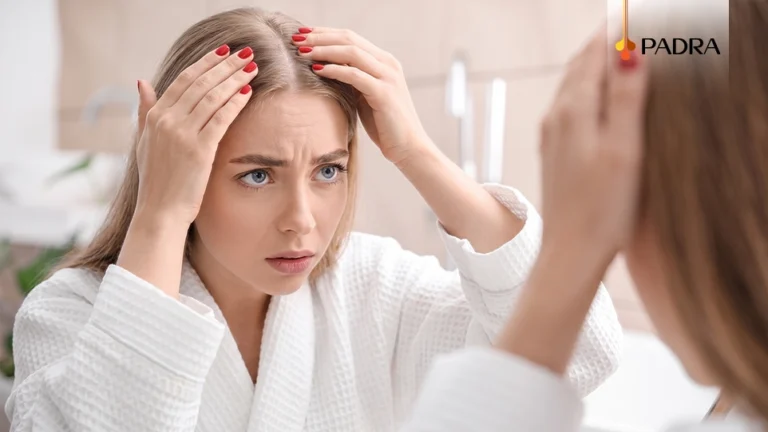
Hair loss in Black women can result from a variety of causes, often linked to styling practices, genetics, and underlying health conditions.
Traction Alopecia: Caused by constant tension from tight styles like braids or extensions, leading to thinning, particularly along the edges.
Central Centrifugal Cicatricial Alopecia (CCCA): A scarring form of alopecia that typically begins at the crown (top of the head). If left untreated, it can cause permanent scarring.
Genetic Factors: Heredity plays a role, leading to gradual shedding over time.
Chemical/Heat Damage: Relaxers and high heat from styling irons can weaken hair strands.
Alopecia Areata: An autoimmune condition that causes sudden, patchy hair loss.
Internal Factors: Hormonal imbalances or vitamin deficiencies can contribute to the issue.
Smart Techniques for Black Female Hair Transplants
Modern FUE uses larger tools to safely harvest curved, coily roots, improving survival (e.g., NEOgraft). DHI offers immediate placement for better graft health. Techniques focus on matching natural density while preserving the donor area, avoiding the linear scar of FUT.
These methods make Black female hair transplantation more reliable than ever.
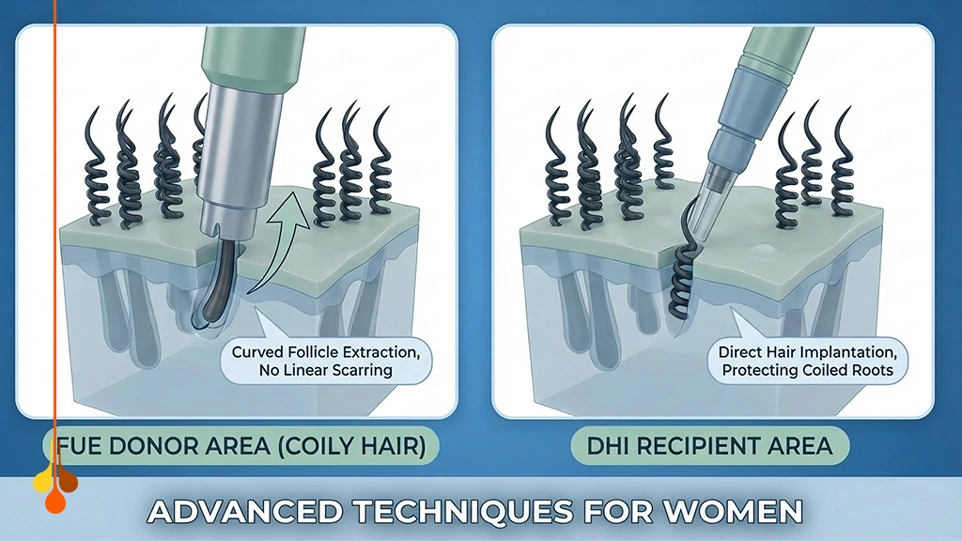
Step-by-Step: What Happens During and After a Black Female Hair Transplant
It starts with mapping your needs, then numbing up for a comfy session where grafts shift to bald spots—often done in one day. Expect some puffiness or tiny dots that clear in a week, with old hairs shedding before new ones sprout around month three. By a year, you’re looking at fuller coverage, with curls returning true to form. Keep things gentle post-op: no tight pulls, soft shampoos, and sun protection. It’s a process, but the wait brings back that natural bounce many crave.
Black Female Hair Transplant Before and After: See the Real Transformations
| Feature | Description | Key Benefit |
| Visual Results | Filled-in edges and crowns. | Allows for free styling and eliminates the need to hide thinning spots. |
| Natural Appearance | Density that conceals scars; matching curl pattern. | Avoids a “flat” or “awkward” look; achieves a seamless match with existing hair. |
| Procedure Scope | Significant improvement often seen after one session. | Provides a big difference quickly; touch-ups may be needed for extensive areas. |
| Healing & Factors | Healing varies based on individual factors (age, loss type). | Expect a softer frame to the face and less daily hair hassle. |
| Impact | Inspiring transformation from hiding spots to flaunting natural styles (e.g., twists). | Boosts confidence and hair-related freedom. |
How to Pick the Best Clinic for Your African American Female Hair Transplant
Expert Matching and Design
Find specialists with proven Afro hair success—review patients before/after and testimonials matching your goals. The surgeon must offer a custom hairline design that suits your face. Insist on a solid aftercare plan with guaranteed check-ins and Customized healing tips.
Safety, Technique, and Cost
Demand board-certified docs and strictly clean setups. Verify they use tools specifically geared for curls to protect the follicle. Focus on value over cheap costs—this is a long-term investment. Prefer clinics that specialize in Black hair for maximum trust and optimal results.
Closing Thoughts: Step Forward with Your Hair Journey
Wrapping up, a black female hair transplant offers hope for reclaiming your look, respecting your curls while tackling loss head-on. From spotting causes to eyeing those transformations in hair transplant Black female before and after stories, it’s clear Specialized care makes all the difference.
Ready to explore?
Connect for a tailored consultation