







Celebrities With Hair Transplants — What Public Photos Really Show & What Patients Should Learn: Visual analysis of celebrity hair reveals subtle restoration clues, not confirmed medical proof; use examples for lessons, not expectations.
Why Celebrities Attract Hair-Transplant Attention: Constant exposure, appearance pressure, and early access to treatments.
Visual Clues for Possible Transplants: Hairline changes, density shifts, donor-area patterns, and gradual improvements.
Natural-Looking Results: Subtle, age-appropriate, blended hairlines age best.
Red Flags: Aggressive lines, plug-like density, and visible scars indicate older or poor techniques.
Patient Lessons: Focus on design, subtlety, and long-term planning over celebrity copying.
Celebrities with hair transplants are a topic people search for again and again. Fans, patients, and curious readers want to know: do famous faces really get hair work, and what can we learn from public photos? This article looks at visual clues, common patterns, and the lessons patients can take — always framed as visual analysis, never medical proof. Where public before-and-after images are discussed, language like “widely speculated” or “appears consistent with hair restoration techniques” is used to stay careful and fair.
Why Are So Many Celebrities Linked to Hair Transplants — What That Means for You
- Constant public exposure. Red carpets, interviews, and social posts put celebrity hair under a microscope.
- Pressure to maintain appearance. A small change can feel huge when your face is always in the spotlight.
- Early access to advanced treatments. Stars sometimes try new techniques sooner — that affects what we see.
These forces don’t prove that anyone had a procedure. They do explain why people often talk about actors with hair transplants or male celebrity hair transplant stories in the press.
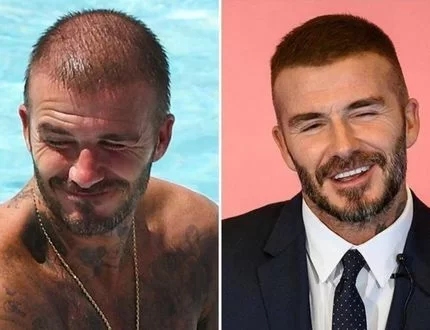
How Experts Spot Possible Transplants in Photos — A Simple Visual Checklist
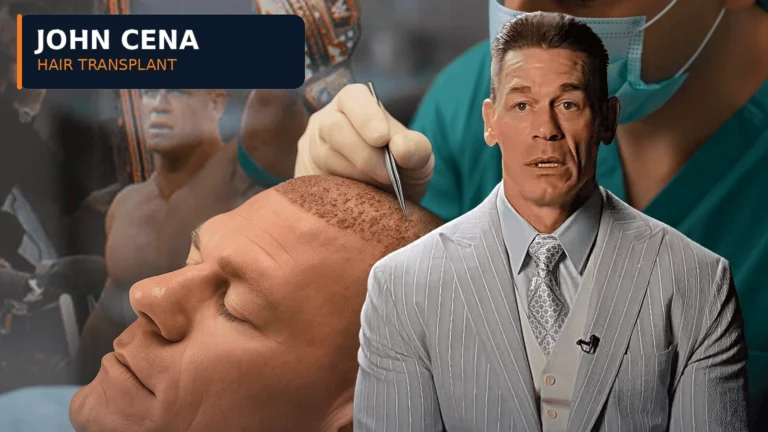
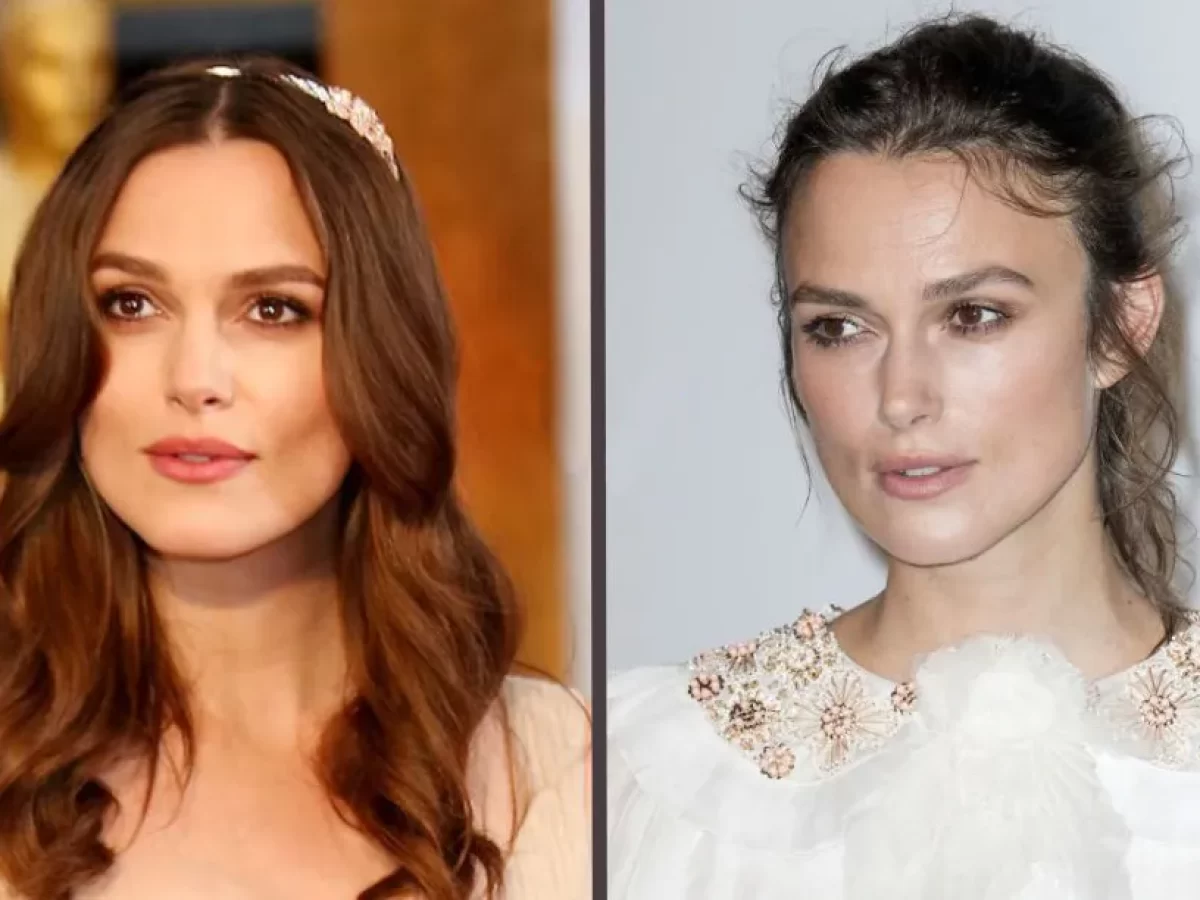
When experts analyze photos, they look for visual patterns rather than medical facts. Public before-and-after images can offer some clues. For example, a hairline that shifts forward or becomes more even may suggest a restoration procedure. Sudden increases in density in a small area often raise questions since natural hair tends to vary in thickness. Experts also pay attention to donor areas; visible scars or changes in hair direction near the back of the head can indicate that older FUT methods were used.
Finally, the timeline is key — gradual, subtle changes over several months align more with surgical restoration than quick, dramatic styling tricks. These signs help point to possible transplants, but it’s important to note that these are just visual clues, not definitive proof. Always use cautious language like “widely speculated” or “appears consistent with” when discussing them.
Natural-Looking Celebrity Cases — Visual Traits That Age Well
Some public cases appear subtle and age-appropriate. What makes these look natural?
- Gradual hairline restoration. A soft, irregular new hairline ages well.
- Age-appropriate design. The hairline is placed to match the face, not to imitate a youthful look.
- Improved density without sharp edges. The transition between native hair and added hair is blended.
When you read “celebrity hair transplants before and after” galleries, look for these signs rather than dramatic, overly dense results.
Before & After: What Changes to Look For (and What Photos Hide)
When comparing photos, keep these ideas in mind:
- Frontal framing vs full density. Sometimes only the front hairline is addressed; other times the crown is treated.
- Why subtle changes look most natural. Small, carefully placed grafts can change the face without obvious surgical marks.
- Styling vs surgical effect. Thicker-looking hair can also come from styling, lighting, or color choices — not just restoration.
Use public images as study material, not proof. Search intent like “Which celebrities had hair transplants?” or “celebrity hair transplants before and after” often leads to mixed evidence and opinion.
When Results Look Unnatural — Common Signs and Why They Happen
When hair transplant results look unnatural, it’s often due to outdated techniques. Overly straight hairlines, plug-like density, and poor hair angles are common signs. A straight, harsh hairline usually indicates older methods, while clumpy, patchy density creates an uneven look. Additionally, hair that doesn’t follow natural growth directions can appear artificial. These issues underscore why modern hair transplant planning and design are crucial for achieving natural, subtle results.

Hair Transplant Without Scars: FUE Secret to No Marks (2026)
What “Gone Wrong” Cases Teach Patients — Practical Takeaways
When results look off, the lessons are useful for patients:
Aggressive Hairlines
Aggressive hairlines that don’t match age or face can draw unwanted attention, making the hair restoration look unnatural and forced.
Poor Donor Management
Poor donor management can leave thin patches or visible scarring, which is often more noticeable in short hairstyles.
Lack of Long-Term Planning
A lack of long-term planning often leads to staged procedures that don’t blend well with the natural growth pattern, leading to an unnatural, “patchy” appearance.
Do Celebrities Get Better Results? — Access, Planning & Real Limits
Money can buy options, but it doesn’t guarantee a great outcome.
- Access vs expertise. A celebrity might get leading clinics, but technique and planning still determine results.
- Planning vs budget. Long-term strategies often beat one dramatic fix.
- Why money alone doesn’t guarantee success. Natural hair characteristics and realistic design choices matter most.
Even high-profile cases that go well usually follow conservative, well-planned approaches.
Scars & Donor Areas — Old Methods vs. Modern Outcomes
Older FUT methods can leave a linear scar. Based on public images:
|
Aspect |
Old Methods (FUT) | Modern Methods (FUE) |
|
Scarring |
Linear scars, often visible in short haircuts. |
Reduced scarring, minimal to no visible linear marks. |
|
Donor Area |
The donor area may have noticeable marks from the strip extraction. | Multiple micro-extractions lead to less noticeable scarring. |
| Extraction Points |
Limited extraction points, creating a visible, single scar. |
Extraction points are spread out, making scarring less obvious. |
|
Effect on Styling |
Visible scarring can impact styling, especially with short cuts. |
More flexible styling options due to minimal scarring. |
| Recommendation | Consider scar visibility before choosing FUT. |
FUE offers a less invasive option with more natural-looking results. |
Why Celebrity Photos Aren’t a Perfect Fit for Your Plan
Celebrities are unique when it comes to hair restoration. Their hair texture, color, and density can make a big difference in how their results look. Plus, male celebrity hair transplants often don’t reflect all the different patterns of hair loss that people experience. Another factor is how photos are styled — lighting and styling choices can dramatically change the appearance of the hair. Rather than trying to replicate a celebrity look, focus on what will work best for your own hair and face.
Patient Lessons From Celebrity Examples — Design Over Density
Use celebrity examples for lessons, not expectations:
- Natural > dramatic. Subtle, blended improvement usually reads as real hair.
- Design matters more than density. A soft, well-placed hairline ages better than a dense, fake-looking row.
- Subtle changes age better. Plan for the long view, not just a headline-making photo.
If curiosity about famous hair drives you to learn more, look for education-first resources and clinicians who explain options clearly.
Final Advice: Use Celebrity Cases for Inspiration, Not Expectation
Celebrities with hair transplants often spark curiosity — and public photos can teach practical lessons when analyzed carefully. Use the visual checklist, ask the right clinic questions, and treat celebrity cases as inspiration, not a treatment template.