







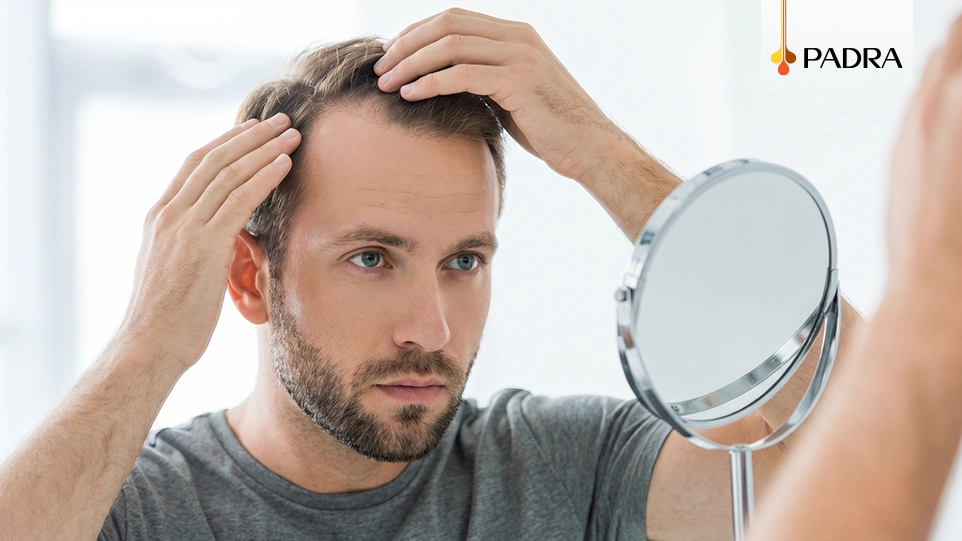
A receding hairline can change the way your face looks and may affect your confidence, especially when the frontal hairline or temples become more visible. If you are searching for how to cover receding hairline, the good news is that several styling and cosmetic methods can make it less noticeable. However, covering a receding hairline is not the same as treating it.
You can cover a receding hairline using a combination of hairstyles, volumizing techniques, and cosmetic products like hair fibers or concealers. For longer-term improvement, treatments such as minoxidil, PRP, mesotherapy, or hair transplant may help, depending on the cause of hairline recession. The best approach combines styling and medical evaluation.
Cover vs Treat: What Is the Difference?
Before choosing a solution, it helps to understand the difference between covering and treating.
Covering means using immediate cosmetic solutions to make the hairline look fuller or less visible. These may include bangs, fringe, a side part, hair fibers, concealer spray, root powder, volumizing products, and textured styling.
Treating means addressing the reason the hairline is moving back. Depending on the diagnosis, this may involve minoxidil for hair loss, PRP therapy, mesotherapy for hair, scalp care, reducing traction, correcting deficiencies, or considering hairline restoration options in suitable cases.
Covering can improve appearance quickly, but treatment requires understanding why the hairline is receding.
Why Does the Hairline Recede?
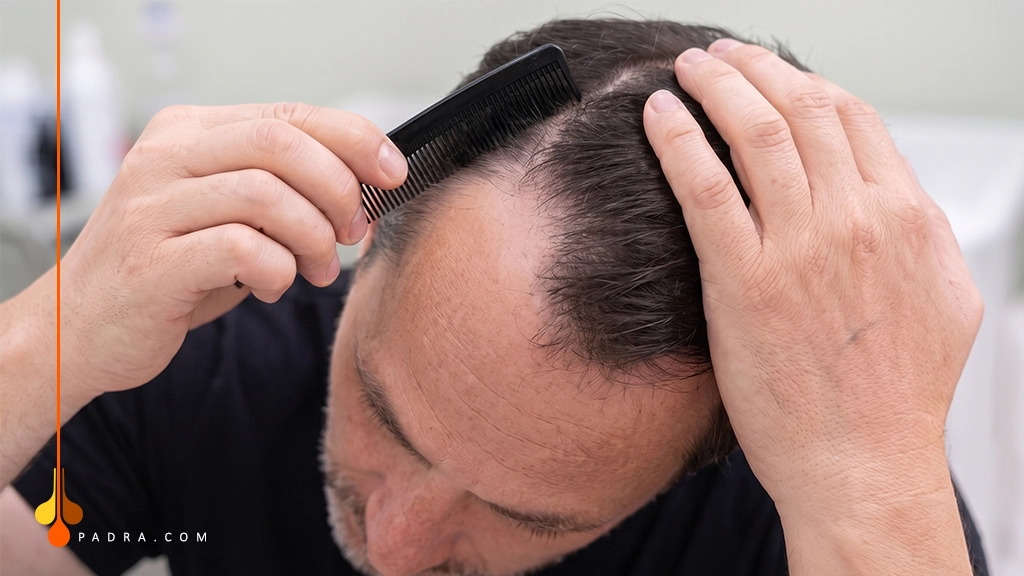
A receding hairline can happen for several reasons. In some people, it is related to androgenetic alopecia, where follicles gradually become thinner over time. In women, frontal or temple thinning may also be linked to female pattern hair loss, hormonal imbalance, PCOS, thyroid issues, postpartum shedding, stress, or iron deficiency.
Other causes include aging, genetics, chemical damage, and traction alopecia. Traction alopecia can happen when tight hairstyles pull on the hairline repeatedly. If tight ponytails, braids, buns, extensions, or sleek pulled-back styles continue, the hairline may become more fragile over time.
Because some causes are progressive, cosmetic solutions may hide the hairline temporarily but may not stop the underlying condition.
Instant Solutions to Cover a Receding Hairline
If you want a quick confidence boost, start with cosmetic coverage. These methods do not stop hair loss, but they can reduce the visibility of temple recession or frontal thinning.
A side part can shift attention away from the most visible area. Messy or textured styling can make the hairline look softer and less exposed. Bangs or fringe can cover the frontal hairline, while dry shampoo and texturizing spray can add volume near the roots.
For more direct camouflage, hair fibers, root powder, or concealer spray can help reduce contrast between the scalp and hair. Try to avoid slicked-back hairstyles, as they can make recession more noticeable and may increase tension on the hairline.
Best Haircut for Receding Hairline
The best haircut for receding hairline depends on your hair type, density, face shape, and recession pattern. The goal is to reduce contrast and create softness around the hairline.
For women, helpful options may include soft fringe, curtain bangs, side-swept bangs, layered cuts for volume, textured bob or lob styles, and shorter cuts that reduce the contrast between the hairline and scalp. Styles that pull the hair tightly back should be avoided if the hairline is fragile.
For men, a textured crop, messy fringe, short sides with volume on top, or a buzz cut in a more advanced recession can make the hairline look more balanced.
Haircuts are appearance-management tools, not medical treatments. If the hairline is actively moving back, the cause should still be evaluated.
Concerned About Your Receding Hairline?
If your hairline is still visibly receding despite styling changes, a professional consultation can help identify the cause and recommend the right treatment plan. Depending on your diagnosis, options such as PRP, mesotherapy, minoxidil, or hair restoration treatments may be discussed.
How to Fix Receding Hairline Female
Many women search for how to fix a receding hairline female because hairline thinning can feel sudden or emotionally stressful. In women, the cause is not always simple.
A receding hairline may be related to female pattern hair loss, postpartum shedding, PCOS, thyroid problems, hormonal imbalance, traction alopecia, chemical damage, or low iron and vitamin levels. Because these causes can overlap, styling alone may not be enough if thinning is progressive.
The safest first step is diagnosis. Once the cause is clear, a specialist can suggest whether the focus should be scalp care, lifestyle changes, medical treatment, supportive procedures, or hair restoration planning.
Medium-Term Solutions for a Receding Hairline
Medium-term solutions may help support hair health over time, but they do not work instantly and should be chosen based on diagnosis.
Minoxidil may be considered for certain types of hair loss and can support hair growth in suitable cases. It is not a guaranteed fix for every receding hairline.
PRP hair treatment may help support weak follicles and improve hair quality in selected patients. It may be discussed when follicles are still active, and the goal is maintenance or strengthening.
Mesotherapy may be used as a supportive option depending on scalp condition, hair quality, and the underlying cause of thinning.
Scalp care and reducing traction are especially important if the hairline is affected by tight hairstyles, irritation, or chemical damage. Correcting deficiencies or hormonal triggers may also be part of a professional hair loss treatment plan.
Long-Term Hairline Restoration Options
Long-term options may be considered when cosmetic coverage and supportive treatments are not enough. These should not be presented as guaranteed or instant solutions.
Hair transplant may help improve hairline density in suitable candidates when follicles are no longer active in the frontal area. Results can be long-lasting, but suitability depends on donor area quality, hair loss stability, age, hairline design, and medical evaluation. For women, proper diagnosis is especially important before considering a transplant.
Scalp micropigmentation can improve the visual appearance of density by reducing the contrast between scalp and hair. It does not regrow hair, but it may help thinning areas look fuller.
These options should be planned carefully, especially when the hairline is still changing.
How to Stop Receding Hairline From Getting Worse
If you want to know how to stop a receding hairline from becoming more visible, the answer depends on the cause. There is no single method that works for everyone.
You may reduce risk by avoiding tight hairstyles, limiting chemical damage, treating scalp inflammation, correcting deficiencies if present, evaluating hormonal factors, and seeking early advice for progressive hairline loss.
If traction alopecia is involved, continuing tight hairstyles can make the recession worse. Switching to looser styles and reducing tension on the hairline may help protect fragile follicles.
When Covering Is Not Enough
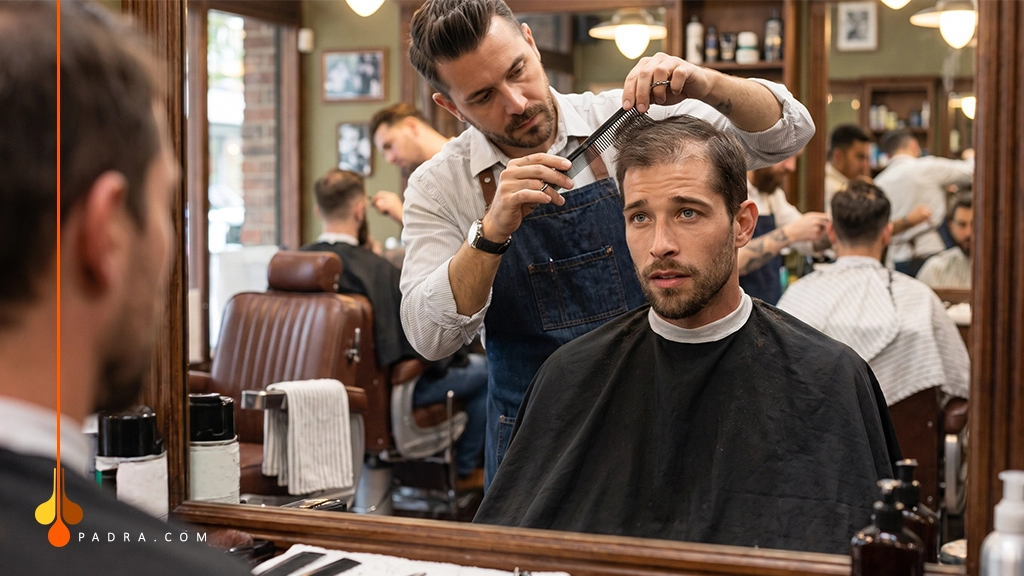
Covering methods can help with confidence, but medical evaluation is important if you notice rapid recession, sudden shedding, widening temples, visible scalp at the hairline, patchy hair loss, or scalp pain, itching, redness, or inflammation.
You should also seek help if postpartum shedding continues longer than expected, if hair loss is becoming emotionally distressing, or if you have a family history of progressive hair loss.
A dermatologist or hair specialist can help determine whether the issue is cosmetic, temporary, or part of a progressive hair loss condition.
Best Approach: Combine Cosmetic Coverage With Diagnosis
The best approach is not only to hide the hairline, but also to understand it. Styling, bangs, fibers, and concealers can help you feel more confident immediately. Medium-term treatments may support hair quality, while long-term restoration options may be considered for suitable candidates.
The right plan depends on the cause, severity, and stability of hairline recession. A balanced approach gives you both short-term confidence and a clearer long-term direction.
Final Thoughts: How Should You Cover a Receding Hairline?
You can cover a receding hairline with the right haircut, styling technique, and cosmetic products. Bangs, fringe, side parts, textured styling, hair fibers, and root powders can all help reduce visibility.
But if the hairline is moving back over time, the cause should be evaluated. The best answer to how to cover a receding hairline is to combine immediate cosmetic coverage with diagnosis-based treatment planning when needed.