What is FUE Hair Transplant?
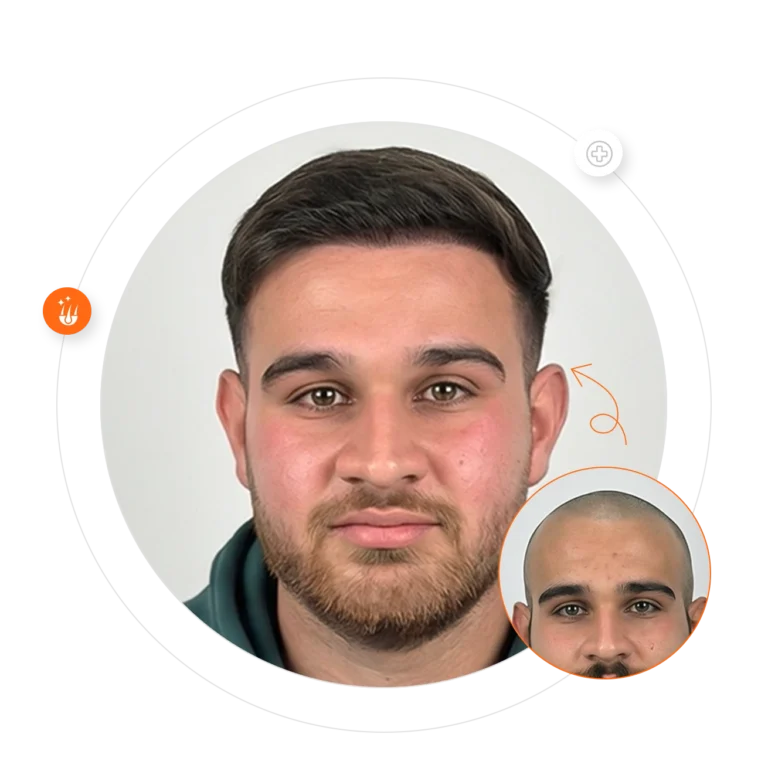
FUE hair transplant is a modern hair restoration technique that involves extracting individual hair follicles from a donor area (typically the back of the scalp) and implanting them into areas experiencing hair thinning or baldness. This method ensures natural-looking results with minimal scarring, unlike FUT (Follicular Unit Transplantation), which involves removing a strip of scalp.
The FUE method is widely recognized for its precision, effectiveness, and minimally invasive nature, making it a top choice for individuals looking to regain a full, youthful head of hair.
FUE vs. FUT: Which Hair Transplant Method is Better?
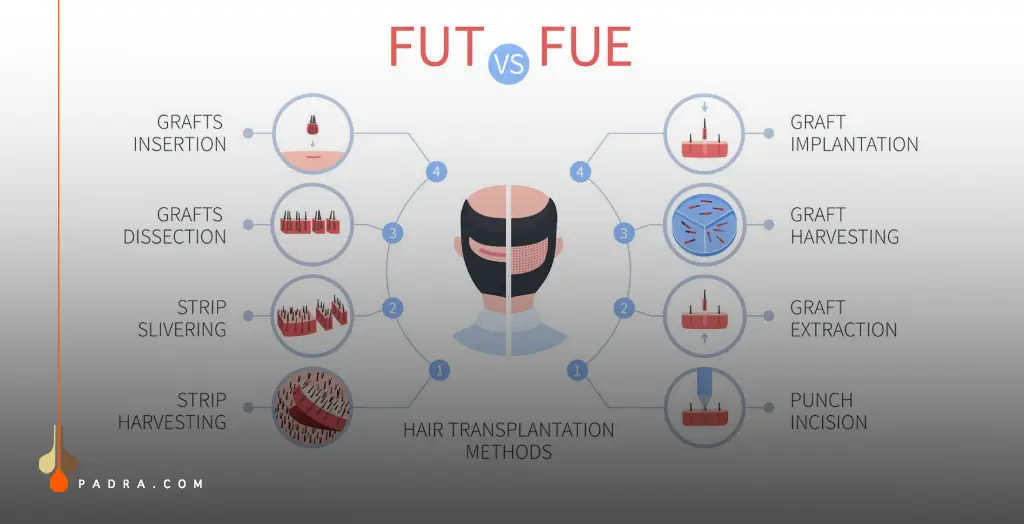
Both FUE (Follicular Unit Extraction) and FUT (Follicular Unit Transplantation) are effective hair transplant techniques, but they differ significantly in approach and results.
| Feature |
FUE Hair Transplant |
FUT Hair Transplant |
| Procedure |
Individual hair follicles are extracted one by one. |
A strip of scalp is removed, and follicles are dissected for transplantation. |
| Scarring |
No linear scar, only tiny dot-like scars. |
Leaves a noticeable linear scar at the donor site. |
| Recovery Time |
Faster recovery, minimal discomfort. |
Longer recovery due to stitches and healing of the donor area. |
| Suitability |
Ideal for those who prefer short hair or minimal scarring. |
Better for patients needing a larger number of grafts in one session. |
| Pain Level |
Minimal discomfort with local anesthesia. |
Slightly more discomfort due to stitches and healing. |
| Graft Survival |
High graft survival due to precision extraction. |
Slightly lower survival rate due to the dissection process. |
| Procedure Time |
Longer due to individual follicle extraction. |
Shorter as grafts are harvested in bulk. |
| Cost |
Typically higher due to advanced technology and time. |
More affordable for large graft sessions. |
While FUE is preferred due to its minimal scarring and faster healing, FUT may be more suitable for patients requiring a large number of grafts in a single session. Consulting a hair restoration specialist can help determine the best option for your needs.
How to Choose the Best Hair Transplant Technique for You
Choosing between FUE and FUT depends on several factors:
- Extent of Hair Loss: Severe baldness may require FUT for a larger number of grafts, while moderate hair loss is best treated with FUE.
- Donor Hair Availability: If you have a limited donor area, FUE is preferable as it selectively extracts healthy follicles.
- Recovery Time: Those wanting a quicker return to normal activities should opt for FUE.
- Budget Considerations: While FUE is generally more expensive than FUT, the minimal scarring and faster recovery justify the price for many patients.
- Aesthetic Preference: If you prefer short hairstyles, FUE is the better choice since it does not leave a visible scar.
At Padra Clinic, our experts provide personalized recommendations based on your specific hair loss pattern and expectations.
How Does FUE Hair Transplant Work?
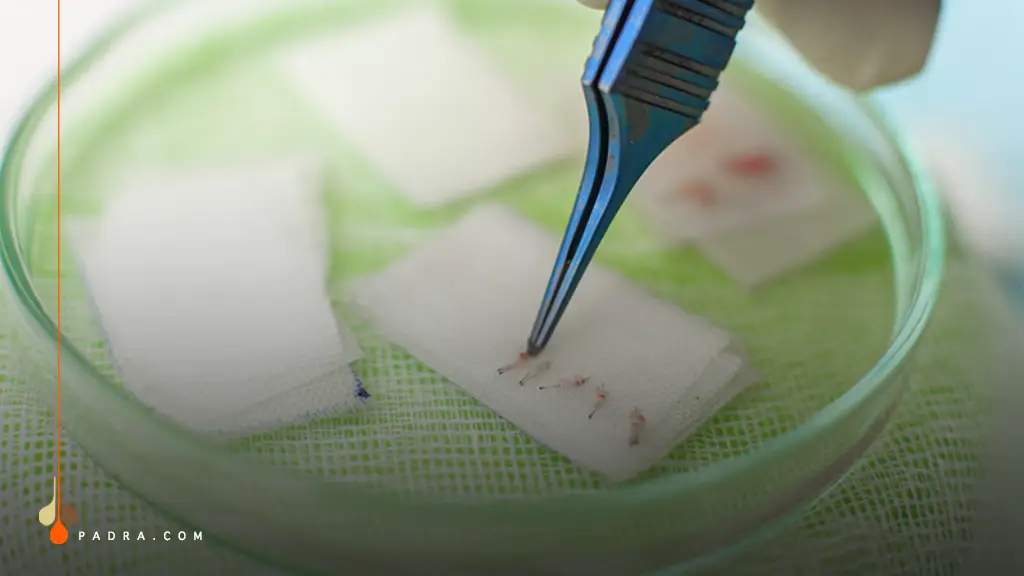
The FUE procedure consists of several key steps:
- Consultation & Assessment: The process begins with a thorough consultation, where a hair restoration specialist evaluates the patient’s hair loss pattern, donor area condition, and overall treatment goals. The surgeon determines the number of grafts needed to achieve the desired result.
- Preparation & Anesthesia: Before the procedure, the donor area (typically the back or sides of the scalp) is trimmed to allow precise extraction. Local anesthesia is applied to both the donor and recipient areas to ensure a pain-free experience.
- Follicle Extraction: Using a high-precision micro-punch tool, individual hair follicles are carefully extracted from the donor site. The extracted follicles are stored in a special solution to maintain their viability. This step requires expert precision to ensure minimal trauma to the scalp and high graft survival rates.
- Recipient Site Preparation: The surgeon creates tiny, strategic incisions in the recipient area to ensure natural-looking hair growth. Factors like hairline design, density, and angle of implantation are carefully considered for a seamless result.
- Implantation: The harvested follicles are meticulously implanted into the recipient area using specialized tools. The placement of the grafts follows the natural growth direction of the hair to ensure aesthetic and long-lasting results.
- Post-Operative Care & Recovery: After the procedure, patients receive detailed aftercare instructions to promote healing and maximize hair growth. Mild swelling and scabbing are common in the first few days, and newly implanted follicles will undergo a shedding phase before regrowing permanently.
- Hair Growth Timeline: While initial healing occurs within the first two weeks, noticeable hair regrowth begins around 3-4 months post-surgery, with full results visible within 12 months.
Benefits of FUE Hair Transplant
Undergoing a hair transplant for women is a significant decision, and choosing the right method is crucial for optimal results. FUE offers numerous advantages over traditional hair restoration techniques, making it a preferred choice for those seeking a minimally invasive and natural-looking solution.
- Minimally Invasive: No need for large incisions or stitches, reducing discomfort and downtime.
- No Linear Scarring: Unlike FUT, FUE leaves only tiny scars, making it ideal for short hairstyles.
- Quick Recovery: Most patients resume normal activities within a few days, significantly shorter than FUT recovery times.
- High Success Rate: Provides permanent, natural-looking results with a high follicle survival rate.
- Precision and Customization: Enables strategic placement of grafts, allowing for a more natural-looking hairline and density.
- Less Post-Operative Discomfort: Due to the absence of large incisions, patients experience minimal pain and swelling.
- Versatile Donor Areas: Hair follicles can be harvested from different body parts if the scalp has insufficient donor hair.
- Ideal for Small and Large Sessions: FUE works well for both smaller touch-up sessions and extensive full-head transplants.
FUE Hair Transplant Cost – What to Expect?
Several factors influence the FUE hair transplant cost, including:
- Number of Grafts Needed (ranges from a few hundred to several thousand).
- Surgeon’s Expertise & Clinic Reputation.
- Location: Prices vary by country and clinic.
Who is a Good Candidate for FUE Hair Transplant?
FUE (Follicular Unit Extraction) hair transplant is a popular and minimally invasive solution for hair loss, but not everyone is an ideal candidate. Understanding who benefits most from FUE hair surgery can help you determine if this procedure is right for you. Here’s a breakdown of the key factors that make someone a good candidate for FUE hair replacement.
Ideal Candidates Based on Hair Loss Type
FUE hair transplant is particularly effective for individuals experiencing specific types of hair loss, such as:
- Pattern Baldness (Androgenetic Alopecia): This genetic hair loss condition, characterized by a receding hairline or thinning crown, is one of the most common reasons people seek FUE. The procedure works well for restoring hair in these areas.
- Thinning Hair: If you have diffuse thinning across your scalp, FUE can help restore density by transplanting healthy follicles from donor areas.
- Receding Hairline: FUE is an excellent option for those looking to rebuild a natural-looking hairline.
Key Considerations: Age, Hair Density, and Scalp Condition
- Age: While FUE can be performed on adults of any age, candidates in their late 20s to 50s often see the best results. Younger patients should ensure their hair loss has stabilized before undergoing the procedure.
- Hair Density: Good candidates typically have sufficient donor hair availability, usually from the back or sides of the scalp, where hair is genetically resistant to balding.
- Scalp Condition: A healthy scalp free from infections or conditions like psoriasis is essential for optimal results.
Who Should Avoid FUE and Consider Alternative Treatments?
FUE may not be suitable for everyone. Individuals who should consider alternative treatments include:
- Those with advanced balding patterns and insufficient donor hair.
- People with unrealistic expectations about the results.
- Individuals with medical conditions that affect healing or increase surgical risks.
- Those experiencing diffuse unpatterned alopecia (DUPA), a condition where hair thinning occurs across the entire scalp, including donor areas.
Potential Risks and Side Effects of FUE Hair Transplant
While a FUE hair transplant is generally considered a safe and minimally invasive procedure, like any medical treatment, it carries some potential risks and side effects. Understanding these risks and following post-operative care instructions can help minimize complications and ensure optimal results.
- Shock Loss: Temporary shedding of transplanted hair that typically resolves as new hair begins to grow.
- Infection: Though rare, improper aftercare or unsterile conditions can lead to infection in the donor or recipient area.
- Uneven Hair Growth: If follicles are implanted at incorrect angles or densities, hair may appear unnatural.
- Mild Itching & Swelling: Common post-procedure symptoms that usually subside within a few days.
- Folliculitis: Inflammation of hair follicles, which may cause redness and discomfort but is typically treatable with medication.
- Numbness or Tingling: Temporary loss of sensation in the donor or recipient area, which generally resolves within weeks.
- Scarring: Although minimal compared to FUT, tiny dot-like scars may still be visible in the donor area, especially if the hair is shaved very short.
FUE Hair Transplant at Padra Clinic – Why Choose Us?
At Padra Clinic, we offer:
- State-of-the-art technology for precision hair transplants.
- Experienced surgeons specializing in hair restoration.
- Personalized treatment plans for the best results.
- Clinics in Toronto, Dubai, Riyadh, Doha, and Kuwait.
Book a Free Consultation Today!