






Ten days after a hair transplant marks a key recovery milestone. Grafts are more secure, swelling has reduced, and most scabs begin to fall away naturally.
- Mild redness, dryness, or patchy shedding is normal
- Shock loss may start but does not affect final results
- Gentle washing and normal sleeping usually resume
Heavy exercise and scratching should still be avoided
This stage is about patience—healing is on track even if things don’t look perfect yet.
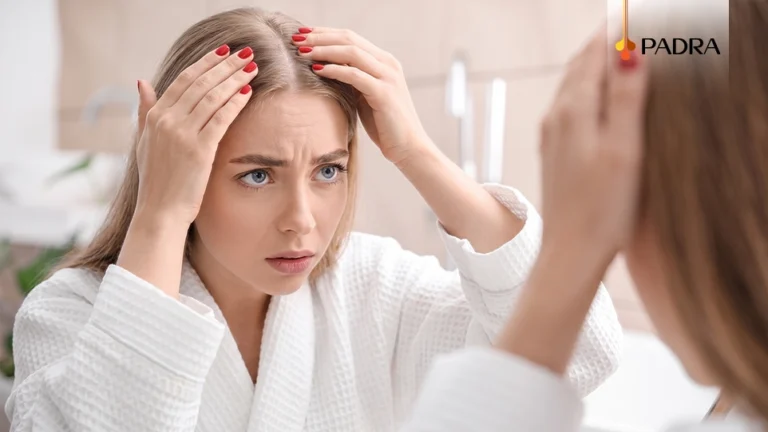
Being 10 days into your hair transplant recovery can feel a bit confusing. You might look in the mirror and wonder if things should look “normal” by now, only to see some redness, uneven patches, or lingering scabs. Hair shedding at this stage can make it even more worrying. The good news is that this is all part of the normal healing process — day 10 is still early in recovery, and many of the changes you see are completely expected.
Why Does the 10th Day Matters in Your Recovery?
Day 10 is a major turning point! Your scalp is finally out of the most fragile stage. During the first week, the grafts were easily moved. Now, they are much more stable. This means you’ve entered a deeper, slower healing phase.
Many patients notice positive changes around this time:
- Scabs are falling off.
- Swelling and soreness are decreasing.
However, don’t be alarmed if new things appear, like hair shedding (shock loss) or lingering redness. These are completely normal signs of your body continuing to recover.
What Your Scalp Should Look Like 10 Days After a Hair Transplant
Day 10 represents a critical transition phase in the recovery process. The scalp has successfully moved beyond its most delicate stage, yet the healing remains incomplete.
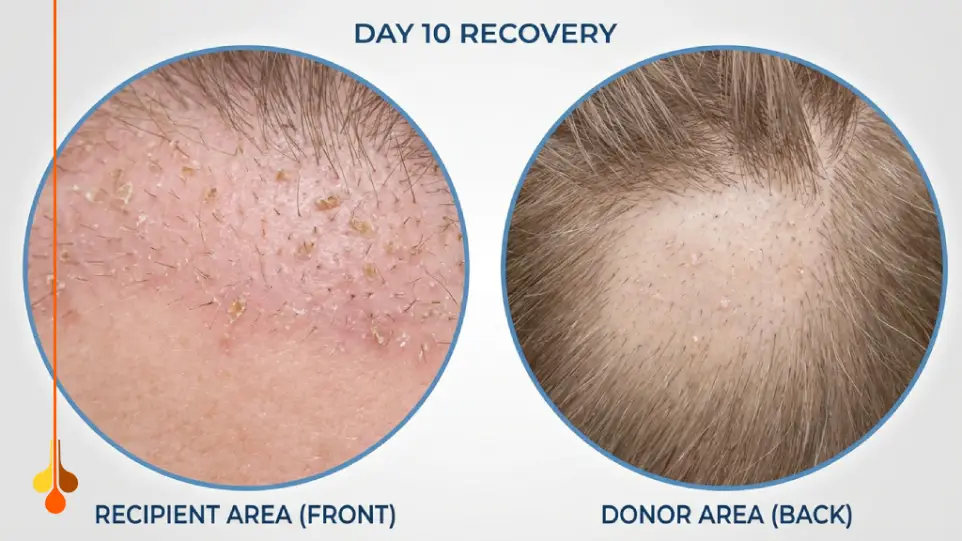
Recipient Area: Clinical findings typically show mild erythema (pink or light red discoloration). While most crusts will have shed, small, soft remaining scabs or mild epidermal flaking are often present as a natural sign of skin renewal.
Donor Area: The patient should experience significant improvement in comfort. Though largely resolved, slight residual dryness, minor scabs, or In one small area, temporary numbness are commonly observed and are generally expected to resolve spontaneously.
Progression Indicators: A healthy recovery Progress is confirmed by the gradual fading of redness and the absence of sudden symptoms, such as severe, persistent pain, strong swelling, or purulent discharge.
Contact clinic for personalized recovery tips
Is Shedding Normal on the 10th Day?
Shedding around day ten is normal. It’s called “shock loss” and doesn’t mean the transplant failed, as the roots stay healthy.
Shedding can happen when you wash or gently pat your hair, and it might look like more hair is coming out than expected. Try not to panic — your new hairs are still developing under the surface.
That said, pay attention to your scalp. If shedding comes with unusual pain, pus, spreading redness, or fever, it’s a sign to check in with your clinic. Otherwise, let your scalp heal naturally and be patient — this stage usually passes on its own.
Can You Wash, Touch, or Sleep Normally on Day 10?
By the 10th day after a hair transplant, most patients can start returning to normal routines, but gentle care is still important. Washing, touching, and sleeping should be done carefully to protect the healing grafts and avoid irritation. Here’s a clear guide to what’s safe and recommended at this stage:
| Activity | Guidelines for Day 10 After Hair Transplant |
|---|---|
| Washing | – Use lukewarm water and a mild shampoo- Avoid scrubbing or strong water pressure- Pat scalp dry gently with a clean towel, don’t rub |
| Touching | – Lightly touching the scalp is fine- Avoid picking scabs or scratching hard- rough handling can irritate healing skin |
| Sleeping | – Most people can sleep flat again- Use a clean pillowcase- Avoid pressure on the grafts while sleeping |
Activities You Can Resume on the 10th Day
Life slowly starts to feel normal again 10 days after hair transplant. Many people return to desk jobs and normal daily routines without issues. Walking and light movement are usually fine and can help you feel better overall.
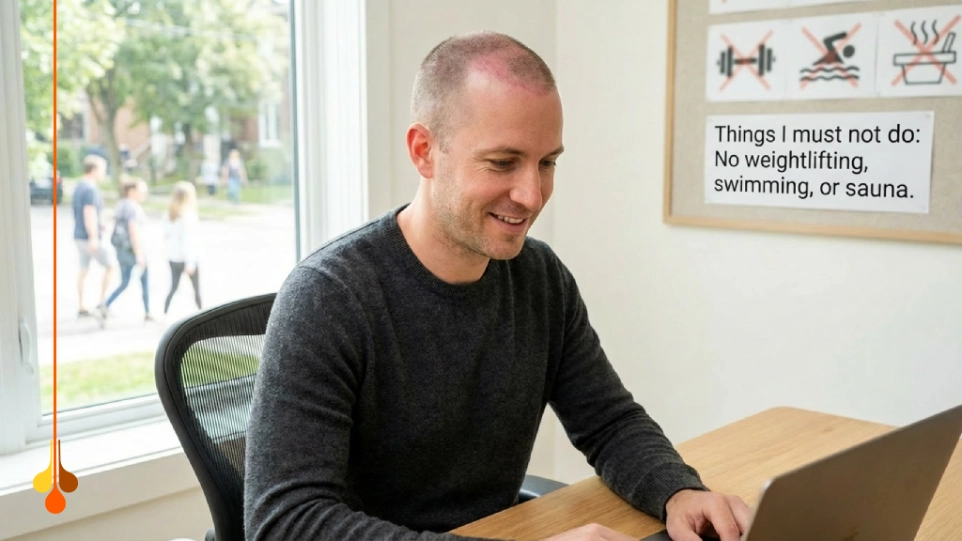
However, heavy exercise, intense sweating, weightlifting, and contact sports should still wait. These activities can increase swelling or irritation. Swimming, saunas, and steam rooms are also best avoided unless your clinic says otherwise.
Common Concerns 10 Days After a Hair Transplant
It’s very common to worry at this stage. Some patients are concerned because scabs are not fully gone. If they are soft and slowly coming off, this is usually normal. Others worry about redness that hasn’t faded yet. Redness can last several weeks and does not mean something is wrong.
The scalp may also look uneven or patchy as shedding starts. This does not reflect the final result and usually improves with time.
What is not normal includes strong pain, fever, pus, bad smell, or redness that keeps spreading instead of improving. These signs should always be checked.
Worried? Get a quick clinic check!
When to Contact Your Clinic
You should contact your clinic if something feels wrong or gets worse instead of better. Warning signs include fever, increasing pain, discharge, heavy bleeding, or open wounds.
Sending clear photos can help your clinic understand what’s happening and guide you properly.