





- Eyebrow Transplant Risks: Side Effects, Complications, and Prevention Clear guidance on safety, healing, and avoiding poor results.
- Normal effects like redness or shedding fade quickly; complications are rare with skilled planning.
- Poor angles, wrong density, or weak aftercare cause most aesthetic issues, not the procedure itself.
- Expert surgeons, proper hygiene, and mapped design significantly reduce risks.
Every medical procedure comes with some level of risk, even ones designed to refine appearance rather than change it dramatically. Among those, eyebrow transplants have become one of the most precise and technically sensitive forms of restoration. Still, conversation around eyebrow transplant risks is understandable. On the surface, the area seems small, yet it plays a defining role in balance and expression.
When performed correctly, the treatment is minimally invasive and safe. Problems usually arise from errors in planning, inexperience, or poor aftercare. Understanding the line between normal healing responses and genuine complications helps build confidence long before any decision is made.
Is Eyebrow Transplant Safe?
Modern methods such as Follicular Unit Extraction (FUE) have made the process more controlled and predictable than ever. For medically suitable candidates, eyebrow transplant safety becomes less a matter of danger and more about precision.
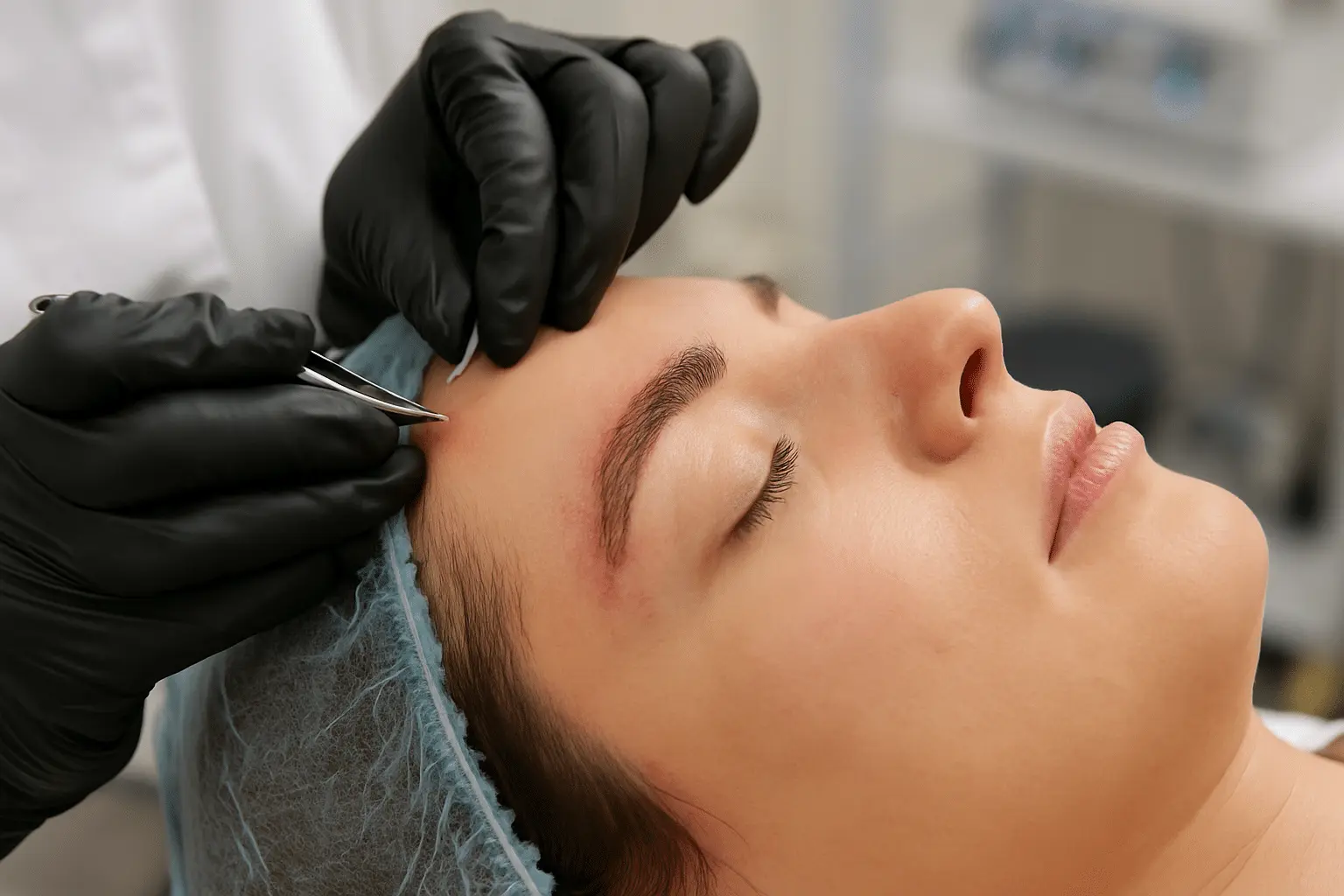
The technique involves removing individual hair follicles from the donor area: usually behind the ear or from the scalp and placing them into the brow line at specific angles. The procedure is outpatient-based, performed under local anesthesia, and generally well-tolerated.
Safety depends mostly on the hands that perform it. When executed by a skilled surgeon with sterile standards and a customized plan, complications remain very rare. Records across reputable clinics show satisfaction rates that continue to improve as experience grows within the field. In clinical evaluations, the same safety parameters seen for general Hair Transplant Candidates are applied here to filter suitable cases.
Understanding Common Eyebrow Transplant Side Effects
After an eyebrow transplant, short‑term changes on the skin are normal responses, not warning signs. Typical eyebrow transplant side effects may include mild redness, controlled swelling, light itching, and tiny scabs forming around grafts.
Some follicles may shed in the early weeks a natural phase where the root stays healthy but the outer strand falls away. This shedding allows for long‑term growth to resume more uniformly.
These mild surface effects tend to resolve within one or two weeks. A cool compress, sterile environment, and gentle care routine are usually sufficient details often emphasized in a Post‑Op Care Guide. Recognizing these patterns helps separate simple healing from unnecessary alarm.
Eyebrow Transplant Risks vs. Complications :What’s the Difference?
In medical terminology, “risk” does not automatically mean “problem.” Side effects describe predictable outcomes that fade with time. Complications, however, represent unusual reactions that need professional attention.
Common side effects signal normal recovery pathways, while complications stray from those patterns. By distinguishing the two, unnecessary anxiety after the procedure can be avoided. Misinformation online tends to blur that boundary, which is why factual, calm explanations matter.
The same differentiation is taught in educational resources on Hair Transplant Side Effects, helping patients interpret symptoms correctly rather than assuming something has gone wrong.
Possible Eyebrow Transplant Complications
It’s uncommon, yet possible, for eyebrow transplant complications to appear. These issues often trace back to the surgeon’s method or patient’s adherence to care instructions.
Complications may include:
- Local infection, often from improper hygiene
- Limited graft survival if follicles are handled incorrectly
- Asymmetry between brows
- Unnatural direction or misplaced angle of implanted hairs
- Overcrowding that creates a dense, unbalanced look
Such events rarely result from the procedure itself but from poor execution. Technical consistency during placement determines whether growth patterns follow the intended design. Good surgical planning prevents most of these difficulties before they start.
Eyebrow Transplant Gone Wrong : Causes Behind Unfavorable Results
Mentions of an eyebrow transplant gone wrong often refer to appearance rather than safety. The causes are almost always preventable.
An unsuitable design where brow shape ignores facial proportion can cause even a technically correct surgery to look unnatural. Incorrect implantation angles make hair point upward instead of lying flat. Overuse of thick scalp grafts leads to heavy texture mismatches.
Another major reason is inadequate sterilization or lack of aftercare guidance in low‑cost centers. Shortcuts in precision or hygiene often result in poor healing, asymmetrical arches, or visible scarring.
Clinics with experience and planning protocols dedicated to facial harmony maintain more consistent results, a standard similar to procedures presented within the Eyebrow Transplant Service Page.
Unnatural Eyebrow Transplant Results : Understanding Why They Occur
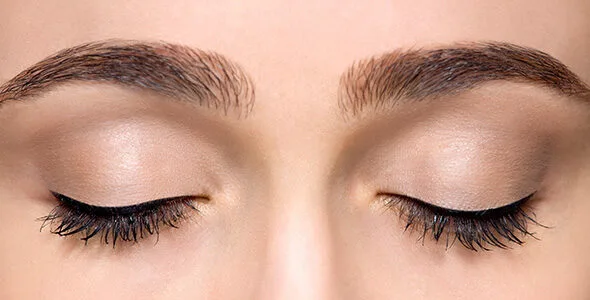
The human brow follows a unique growth map; each part grows in a slightly different direction and thickness. When doctors replicate that map correctly, the result blends seamlessly. But when misjudged, unnatural eyebrow transplant results appear.
Reasons include:
- Using thick donor hair unsuited for delicate facial skin
- Implanting hairs at steep angles instead of flat against the skin
- Overfilling the area beyond natural density
- Neglecting facial symmetry during design
Even small misalignments can shift how light interacts with the area, creating a harsh reflection or uneven shape. The artistry of the procedure lies in subtle control rather than volume.
Reviewing real Eyebrow Transplant Before and After cases taken from specialized centers provides the clearest sense of how softness and spacing define natural appearance.
Eyebrow Transplant Infection : How Rare Is It?
A genuine eyebrow transplant infection is uncommon when sterile technique and post‑care standards are met. Sterilized tools and controlled environments keep infection rates extremely low.
When infection does occur, it is often because aftercare rules were not followed or because the procedure was performed in an unregulated facility.
Early symptoms might involve spreading redness, heat, tenderness, or discharge. Most infections respond well to prompt antibiotic treatment, particularly when checked early.
Educational materials like those in Hair Transplant Infection discussions reinforce that hygiene and cleanliness are the strongest defences. Across modern clinics, the risk remains minimal.
Long‑Term Risks of Eyebrow Transplant
Eyebrow implants behave like scalp hairs they continue to grow and may need periodic trimming. Among known long‑term eyebrow transplant risks, overgrowth and orientation changes can appear if the initial angle isn’t properly set.
These hairs stay active for many years, gradually thickening in texture. Properly oriented grafts age naturally with surrounding hairs; incorrectly placed ones may need minor refinements later.
Results generally evolve over 12 to 18 months. During this time, softness, density, and color tone mature into steady form. “Permanent” isn’t a precise term here “long‑lasting” describes it better.
How to Reduce Eyebrow Transplant Risks
Safety begins long before the procedure. Each preventive measure reduces chances of complications.
The key to limiting eyebrow transplant risks lies in planning:
- Select a board‑certified surgeon with facial restoration experience
- Confirm customized brow mapping before surgery
- Follow every aftercare step precisely
- Keep grafts untouched during early healing
- Attend all follow‑up reviews
Most qualified doctors also evaluate underlying skin conditions and previous procedures during consultation a pre‑qualification approach similar to Hair Transplant Candidates assessments.
Who Is More at Risk of Complications?
Some individuals face higher uncertainty during recovery. Risks may rise when skin carries existing inflammation or when the body heals slowly.
A history of a failed eyebrow transplant can also complicate outcomes since scar tissue may reduce blood flow to the area. Additional caution applies to those choosing budget clinics where graft quality and sterile conditions remain questionable.
Another category includes unrealistic expectations wanting brows thicker or shaped beyond natural proportional limits. Reputable surgeons address these expectations honestly, avoiding overstatement and focusing on realistic artistry.
Eyebrow Transplant Healing Problems That Need Attention
Occasionally, the healing process itself becomes uneven. Eyebrow transplant healing problems might show as extended redness, crusts that last beyond normal timing, or small cyst‑like bumps if ingrown hairs form.
Most of these issues respond to minor adjustments in the care routine. Adequate moisture, gentle cleansing, and avoidance of heavy cosmetics close to the grafts are simple but effective measures.
When abnormal symptoms persist, professional evaluation ensures they are resolved promptly before affecting final results.
Final Thoughts : Most Risks Are Preventable with the Right Approach
The field of aesthetic restoration thrives on precision and trust. Across qualified clinics, eyebrow transplant risks remain low because each stage from design to hydration monitoring is supervised professionally.
Most complications stem not from the method but from shortcuts in experience or aftercare. Every element angle, density, orientation affects how natural the outcome appears.
With expert planning, a clean environment, and patient cooperation, the journey typically closes with brows that blend seamlessly with natural growth. Transparency around safety, much like that upheld in the Eyebrow Transplant Service Page, reinforces that informed choice is still the best protection.