




Fasting During Hair Transplant: Is It Safe to Undergo the Procedure While Fasting?
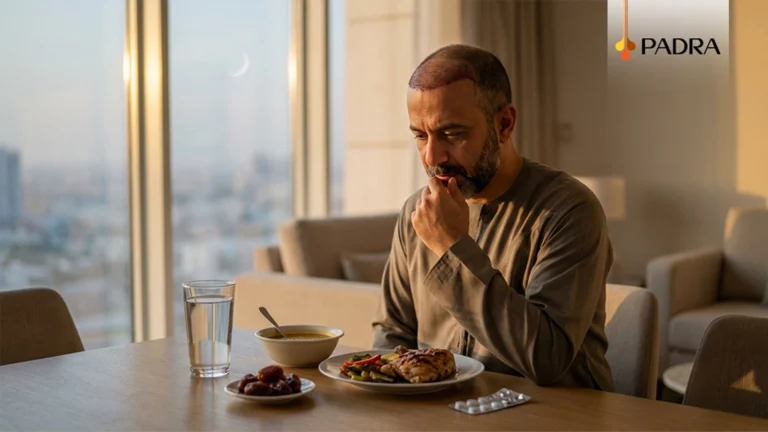
Fasting during a procedure narrows the body’s margin for hydration, blood sugar balance, and comfort. Fasting During Hair Transplant is commonly considered during Ramadan, but the medical principles remain the same. Although the surgery uses local anesthesia, it often lasts several hours and requires physical stability.
Some healthy individuals may tolerate fasting on procedure day. However, longer sessions increase the likelihood of dizziness, fatigue, headache, or low blood pressure. For a predictable and stable surgical experience, hydration and steady physiology are usually preferred.
Ramadan Surgery Check
A quick medical review can reduce last-minute cancellations and discomfort on the day.
Request a pre-op safety review
Can You Fast During Hair Transplant?
Some healthy individuals may tolerate it, but it is not always advised. Long sessions can increase the risk of dizziness, nausea, and fatigue, especially without proper hydration.
The decision depends on procedure length, overall health, and medication needs. Religious considerations are personal, while medical teams focus on safety and stability. Careful screening and hydration planning usually support a smoother experience, often discussed further in the context of Hair Transplant During Ramadan scheduling.
How Long Does a Hair Transplant Procedure Take?
Procedure length is often underestimated in Fasting During Hair Transplant decisions. Most sessions last 4–8+ hours, depending on graft numbers and technique. Even with local anesthesia, the body still manages stress, posture strain, and fluid balance over many hours. Fatigue, headache, or lightheadedness can gradually build.
Hydration helps maintain steadier blood pressure and better medication tolerance. Fasting does not harm grafts directly, but it can make the day feel more physically demanding. Stability on procedure day also influences the first stages outlined in the Hair Transplant Recovery Timeline, where rest, swelling control, and medication timing remain important.
Medical Considerations of Fasting During Surgery
A hair transplant is not major surgery in the hospital sense, but it is still a controlled medical procedure. The clinical concerns with fasting during long sessions tend to land in five buckets:
Blood sugar fluctuations: even in non-diabetic individuals, long fasting can lower blood glucose and amplify fatigue, shakiness, or nausea—especially when anxiety is present.
Dehydration risk: the fasting pattern that includes no water increases the chance of headache, dry mouth, low blood pressure, and dizziness. Clinics often see this when standing up for short breaks.
Blood pressure changes: prolonged sitting, mild stress hormones, and dehydration can combine into lightheadedness. Some people also run naturally low blood pressure, making fasting a bigger factor.
Medication timing challenges: antibiotics, anti-inflammatory medication, mild sedatives (when used), and pain relief are easier on the stomach with food or at least fluid. Some medications are ideally taken with meals to reduce nausea.
Comfort and tolerance: discomfort doesn’t “ruin” a transplant, but it can make the day harder—more movement, more frequent pauses, less restful posture.
One reassuring detail belongs here: fasting does not “damage grafts” on its own. The grafts are placed into the scalp and survive based on careful handling, technique, and early healing conditions. The main issue is patient stability—blood pressure, hydration, and medication consistency.
For patients comparing risks and expectations, a related reference point is Hair Transplant Candidates, since candidacy often includes health screening that directly affects fasting tolerance.
Who Should NOT Fast During a Hair Transplant?
Some scenarios make fasting a poor match for procedure-day safety. This is less about willpower and more about physiology.
| Higher-risk group | Why fasting can be harder | Typical clinical concern |
| Diabetes or glucose regulation issues | Blood sugar may drop or swing | Dizziness, shakiness, delayed recovery comfort |
| Low blood pressure tendency | Dehydration lowers pressure further | Lightheadedness when standing, fatigue |
| Very long-session cases | Hours magnify minor symptoms | Increased need for breaks, nausea/headache |
| History of fainting or dehydration | Baseline vulnerability | Syncope-like episodes, poor tolerance |
| Patients needing multiple meds with food | Stomach irritation is common | Nausea, vomiting risk, poor adherence |
Patients prone to medical anxiety are often overlooked. Anxiety can raise heart rate, disrupt breathing, and worsen nausea. Combined with fasting, tolerance may decrease.
Symptom tracking can also become confusing, as common Hair Transplant Side Effects such as headache or fatigue may overlap with dehydration-related complaints.
Scheduling Hair Transplant During Ramadan Fasting
Scheduling Hair Transplant During Ramadan Fasting can improve comfort without changing the procedure itself. Timing makes a noticeable difference.
Morning sessions are often easier when hydration and nutrition are taken at suhoor. Afternoon appointments may feel harder as dehydration builds. Evening options, if available, may allow better fluid balance closer to the procedure.
A flexible medical plan—focused on hydration, medication timing, and safety—helps reduce avoidable symptoms. Recovery considerations also continue into Fasting After Hair Transplant, where fluid balance and rest remain important.
Ramadan Scheduling Options
A timing plan can lower dizziness risk and keep medication timing clean.
Explore procedure-day scheduling
Does Fasting Affect Graft Survival?
This question tends to carry a hidden fear: “Will fasting ruin results?” The clinically grounded answer is reassuring.
There is no strong direct evidence that fasting alone reduces graft survival. Graft survival depends far more on surgical technique, graft handling, placement, and avoiding trauma in the early healing window.
The indirect pathway is worth noting: dehydration and low blood sugar can make the day physically harder, which can increase restlessness, movement, or stress—factors that may complicate comfort and adherence. The grafts still don’t “fail” because of fasting, but the overall experience can become less smooth.
Early healing is more predictable with consistent hydration and nutrition. That is a body-wide truth, not a hair-specific myth.
Should You Break Your Fast for a Hair Transplant?
Some patients choose to continue fasting, and some choose not to fast on procedure day. From a clinical standpoint, the key is avoiding a rigid plan that creates preventable risk.
Medical teams can explain how hydration and food affect blood pressure, dizziness risk, and medication tolerance. Decisions around religious exemptions are not a medical ruling; they often involve religious guidance in parallel with medical advice. When symptoms suggest dehydration or instability, clinicians generally treat it as a health and safety issue first.
A practical way to keep the decision grounded is to map the day’s needs: procedure length, medication schedule, and personal history of faintness, headaches, or nausea. When those pieces point toward higher risk, breaking the fast for medical stability is commonly discussed.
Best Practice Recommendation from a Medical Perspective
From a safety-first perspective, stable conditions matter most. Proper hydration improves comfort and blood pressure balance during long sessions, while nutrition supports steady energy and better medication tolerance. When fasting is added, the body has less reserve.
Fasting may be possible for some healthy individuals, but it is not the ideal setup for a lengthy elective procedure. Plans that reduce dizziness risk and keep medications consistent usually support a smoother day and recovery. Practical aftercare details are further outlined in the Post-Op Care Guide, especially when fasting continues during the week.
Pre-Op Plan, Zero Guesswork
A clear plan for hydration, meds, and timing reduces avoidable symptoms.
Book a medical consult
Plan Wisely Before Undergoing Hair Transplant While Fasting
Fasting During Hair Transplant decisions involve more than personal commitment; they involve hydration, blood pressure stability, and medication timing. Some healthy individuals tolerate fasting on procedure day, but long surgical hours can increase fatigue, dizziness, and discomfort.
A careful medical review and smart scheduling make a clear difference. When Scheduling Hair Transplant During Ramadan Fasting is planned with stability in mind, the experience is usually smoother. Clear answers to questions such as Can You Fast During Hair Transplant day should always be based on health factors, not assumptions.