







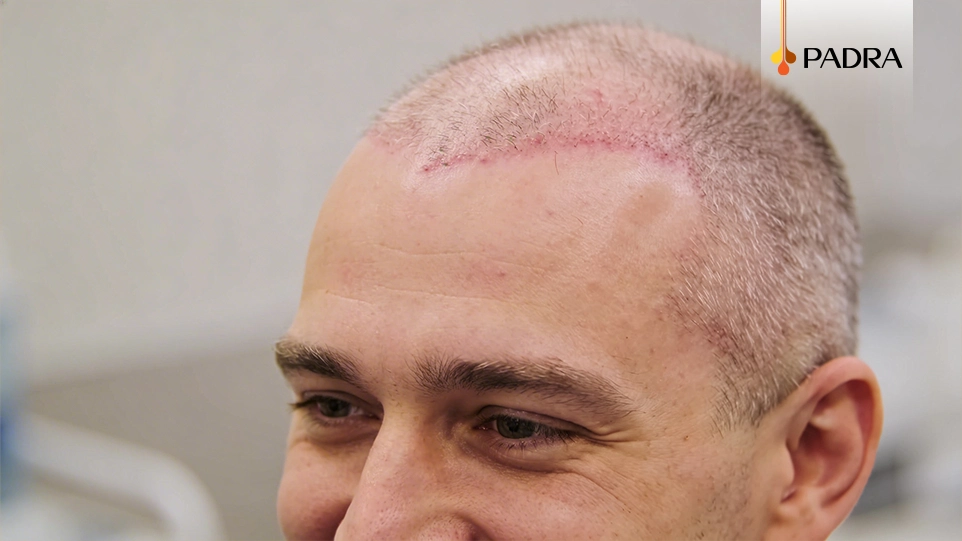
- Hair Regrowth Before and After: When Does It Look Natural?
Explains how to judge natural results, avoid fake-looking outcomes, and evaluate real before and after images. - Natural Regrowth Is Uneven
Soft hairlines and varied density look real; perfection looks fake. - Visible Changes Are Subtle
Better facial framing and coverage, not sudden thickness. - Do Hair Transplants Look Natural?
Yes—when design and planning are done correctly. - Why Some Results Look Obvious
Straight hairlines, clumped grafts, and over-dense fronts. - Natural Always Wins
Thoughtful design ages better than dense results.
If you’re searching for hair regrowth before and after, chances are you’re not just curious—you’re cautious. Most people aren’t afraid of hair transplants themselves. They’re afraid of results that look fake, obvious, or outdated.
Questions like “do hair transplants look natural?” or “do hair plugs look natural?” come from a real concern: no one wants a result that draws attention for the wrong reasons.
This article explains what natural hair regrowth truly looks like before and after a hair transplant, why some results blend in seamlessly while others stand out, and how you can judge results with a trained eye instead of relying on marketing photos.
What Does Natural Hair Regrowth Actually Mean?
Natural hair regrowth does not mean thick hair everywhere or a perfect, straight hairline. In real life, hair grows unevenly. Density changes slightly across the scalp. Hairlines are irregular, not sharp. When regrowth looks natural, it feels organic. Nothing jumps out as “done.” In fact, truly natural results often look almost boring—and that’s a good thing.
Perfection usually looks fake. Nature has variation, softness, and small flaws. The closer a result mimics that, the more believable it becomes.
See What Natural Hair Regrowth Really Looks Like
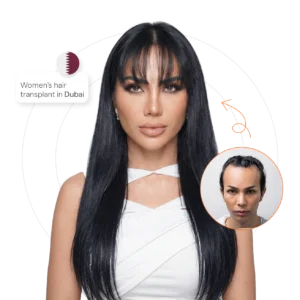
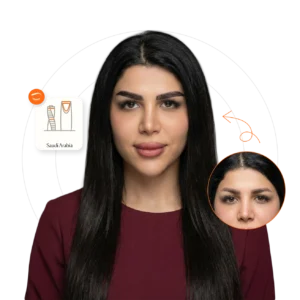
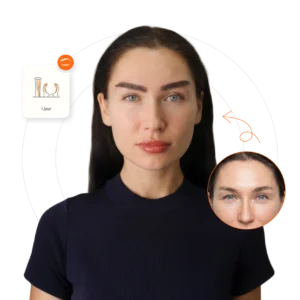
Review before and after cases that look natural, not obvious.
(Clickable) Explore Natural Hair Regrowth Results
Hair Regrowth Before and After — What Changes Are Truly Visible?
Good hair regrowth before and after results don’t transform someone into a different person. Instead, they quietly improve how the face is framed.
The most visible changes include:
- A more balanced frame around the face
- Softer hairline edges without harsh borders
- Better coverage in thin areas, without uniform thickness
What you usually won’t see in natural results is even density across the entire scalp. Hair doesn’t grow that way naturally, and forcing it often leads to artificial-looking outcomes.
Do Hair Transplants Look Natural Today?
Modern techniques have come a long way, but public fear still lingers—mostly because of old results. Decades ago, large grafts were used, leading to visible plugs. Those images shaped the belief that hair transplants always look obvious.
Today, natural hair transplants rely on much smaller grafts and careful planning. Still, technique alone isn’t enough. Surgeon skill matters far more than the name of the method used. A modern approach in untrained hands can still produce unnatural results.
Why Some Hair Transplants Look Obvious
Not all poor outcomes are caused by old technology. Many “fake-looking” results come from planning mistakes.
Common reasons include:
- Plug-like graft placement that clumps hair together
- Straight, sharp hairlines that don’t match natural growth
- Incorrect angle or direction of implanted hair
- Over-dense packing in the front, creating a heavy look
These issues explain why people still ask “does hair transplant look natural?”—because they’ve seen examples where it clearly didn’t.
Natural Hair Transplants — What Makes the Difference?
Achieving natural results relies heavily on meticulous design and attention to detail. The hairline should be tailored to your face, following gentle irregular curves instead of straight lines. Single-hair grafts placed at the very front of the hairline mimic how hair grows naturally, while gradual increases in density behind the hairline create depth without looking crowded.
Hair must be placed at the correct angles and directions, and the characteristics of the transplanted hair—such as thickness, color, and curl—should match the existing hair as closely as possible. When these factors are combined, the transplanted hair integrates seamlessly with your natural growth, creating a hairline that appears organic and age-appropriate.
Find Out How Natural Your Result Can Be
Learn what’s realistic for your hair type and pattern.
(Clickable) Request a Natural Regrowth Assessment
Hair Regrowth Timeline and Natural Appearance
Natural appearance develops over time. In the early months, regrowth may look thin, uneven, or incomplete. That’s normal. Hair is still finding its rhythm.
Be cautious of results that look “too perfect” too early. Hair needs time to mature, soften, and blend with existing growth. True natural regrowth usually becomes clear between 9 and 12 months, once texture and movement settle.
Obvious Hair Plugs vs Modern Hair Regrowth
The difference is often clear at a glance.
Obvious hair plugs:
- Appear clumped or spaced unnaturally
- Create a doll-like or patchy look
- Fail to follow natural growth patterns
Modern regrowth:
- Flows with existing hair
- Shows variation in density
- Looks unplanned—in a good way
This is why plugs are rarely used today and why older results still stand out so clearly.
How to Evaluate Hair Regrowth Before and After Photos
To assess whether hair regrowth looks natural, it is important to review photos critically. Compare images taken from the same angle and under the same lighting to ensure consistency. Avoid relying on images where hair has been styled to hide thinning, as this can create a false impression of success.
Pay attention to the timeline, noting the number of months post-procedure, and examine the donor area for visible scarring or irregularities. Transparent, honest photography allows you to judge results accurately and distinguish natural outcomes from exaggerated or staged images.
Can Everyone Achieve Natural-Looking Hair Regrowth?
While modern techniques and skilled surgeons make natural results possible for most patients, individual factors influence outcomes. Hair type, color, curl, and density, as well as the pattern and extent of hair loss, all play a role. Donor hair quality and the patient’s realistic goals are also key. Not every transplant aims for maximum density; sometimes, the most natural and aesthetically pleasing results come from subtle, carefully planned coverage that blends seamlessly with existing hair.
What Patients Often Miss About Natural Hair Regrowth
Many people focus only on density or coverage when evaluating hair transplants, but the reality is that natural hair regrowth is about flow, integration, and subtle irregularity. Even a moderate amount of hair can look natural if placed correctly, while overly dense or uniform hairlines often draw unwanted attention.
For example, the very front of the hairline is critical. Single-hair grafts placed with careful attention to angle and direction can mimic how hair naturally emerges from the scalp. Behind the hairline, slightly denser areas create depth, but the transition must remain soft. A natural hairline never appears flat or “lined up”; it is slightly irregular, with hairs growing in varied directions, just like real hair.
Another factor that often goes unnoticed is hair characteristics. Hair color, curl, and thickness must blend with surrounding hair. A mismatch, even with technically perfect graft placement, can create subtle signs of artificiality. Modern hair restoration techniques account for these nuances, which is why expert planning is often more important than the total number of grafts.
Final Thoughts — Natural Always Looks Better Than Dense
When it comes to hair regrowth before and after, natural always wins over dense.
Subtle results age better. Thoughtful design beats high numbers. And believable regrowth is far more valuable than dramatic change.
Most people don’t fear hair transplants—they fear looking obvious. Understanding what truly creates natural regrowth helps replace that fear with clarity and confidence.