




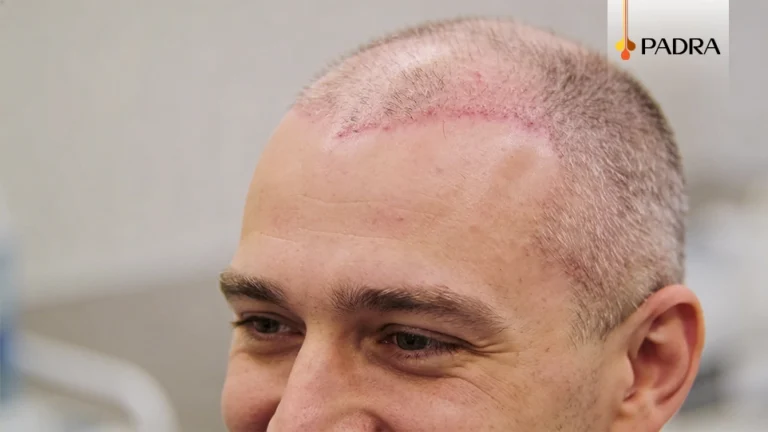
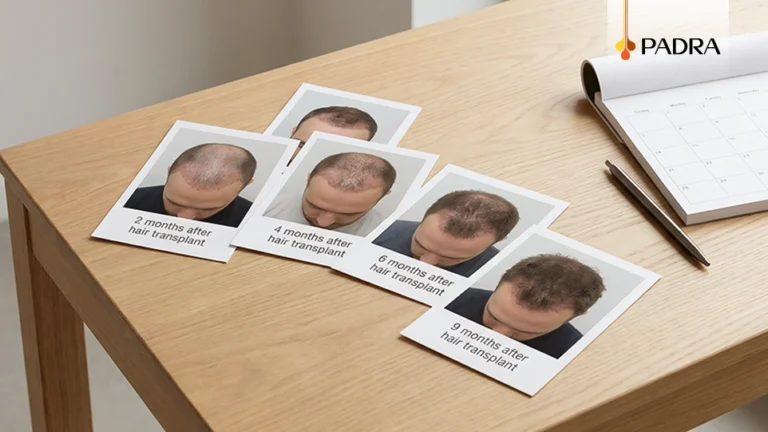



Current medical evidence does not show that modern hair transplant surgery causes cancer. The procedure uses your own hair follicles, local anesthesia, and standard surgical techniques—without radiation or carcinogenic substances. Cancer-related concerns usually stem from confusion with older artificial implants or medications like finasteride and minoxidil, which have separate safety profiles. When guided by a physician, hair transplants are considered medically safe, with cancer risk not linked to the surgery itself.
Short answer up front: current medical evidence does not show that modern hair transplant surgery causes cancer. People worry — and that’s understandable — but the procedure itself uses your own hair and standard surgical steps, not cancer-causing agents. Below, I’ll explain clearly, calmly, and with sources so you can make an informed choice.
Why do people ask if hair transplants can cause cancer?
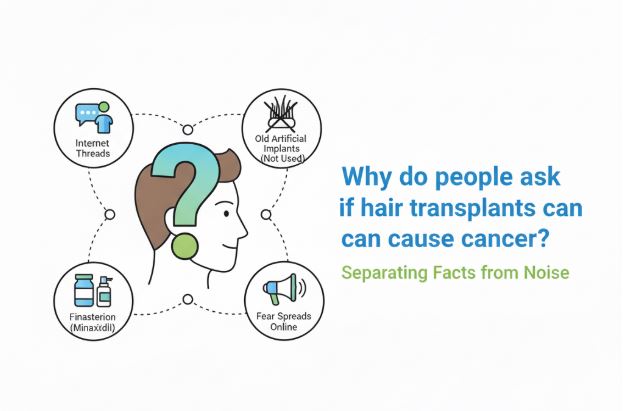
Many fears come from internet threads, old reports about artificial hair implants (not used anymore), or confusion between different treatments. Some people also mix up risks from medicines (like finasteride or minoxidil) with the operation itself. Fear spreads fast online, so it’s worth separating the facts from the noise.
What a hair transplant actually involves
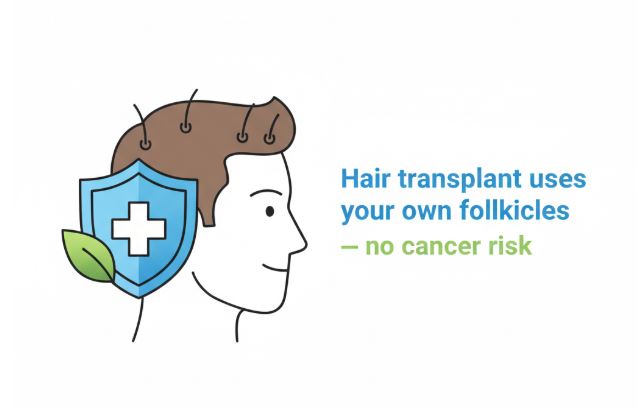
A typical hair transplant moves hair follicles from one area of your scalp to another. Surgeons use local anesthesia and tiny incisions. There’s no radiation, no chemotherapy drugs, and no use of foreign fibers in modern, autologous procedures. The risks you’ll read about are mostly local — infection, scarring, or shock loss — not cancers.
Is there any scientific evidence linking hair transplant to cancer?
At present, peer-reviewed reviews and clinical summaries show no causal link between contemporary hair transplantation and cancer. Large medical resources list surgical risks (infection, scarring) but do not list cancer as a consequence of the procedure itself. That’s why most specialists treat fears about transplants as unfounded when based only on the surgery.
Want a calm, evidence-based chat about your options? Book a free consultation with a specialist to go over your health history and worries.
Can medications after hair transplant increase cancer risk?
It’s important to separate the surgery from medications people may take after (or before) a transplant. Drugs such as finasteride (oral) or topical minoxidil are used to preserve and improve hair, and they have their own safety profiles. Any concern about cancer risk should focus on the drug, not the surgery. We’ll look at the best-known medicines below.
Finasteride and minoxidil side effects — what’s known
- Finasteride (oral) has been studied extensively. Large trials showed it lowers the overall chance of prostate cancer, but there was a small signal in one trial for a higher rate of high-grade prostate cancer (a serious subtype), which led regulators to flag the finding. That doesn’t mean finasteride causes common prostate cancer, but it’s a reason doctors watch PSA tests and discuss risks.
- Minoxidil (topical) is generally considered safe for most users. Lab studies show mixed biological effects, and rare systemic side effects (like heart-related issues) can happen, especially if absorbed in higher amounts. There’s no solid human evidence that topical minoxidil causes cancer.
Both drugs have known side effects. Most of the cancer-related headlines are about careful findings or lab signals — not clear proof that they cause cancer in everyday use.
Finasteride spray side effects vs oral use
Topical (spray) finasteride was developed to act mainly on hair follicles with lower blood levels than the oral tablet. Clinical studies found that topical finasteride can reduce systemic exposure compared with oral use, and it can be effective for hair, but formulations matter. Compounded topical products (made outside regulated drug approvals) can vary and have caused safety warnings. If you’re offered a spray, ask for published data and a clear follow-up plan.
Why correlation does not mean causation
If someone has a hair transplant and later is diagnosed with cancer, people often link the two. But timing can be coincidence: many cancers develop slowly and are common with age. To prove causation, scientists need consistent, repeatable data across big studies — which we don’t have for modern hair transplant surgery. That’s a key reason experts treat single stories as worry, not proof.
When should you discuss health concerns with a doctor?
Talk to a clinician if you:
- Have a personal or family history of cancer (especially prostate or breast cancer).
- Are you considering finasteride (oral or topical) and have prostate concerns — your doctor may suggest PSA monitoring or alternatives.
- Are you using topical medications and have skin conditions, open wounds, or care for small children (minoxidil can be absorbed by others on contact).
A clear, honest consultation — where you share family history, current meds, and expectations — is the best step for safety and peace of mind.
Key Myths vs. Medical Facts
Myth: Hair transplant surgery introduces cancer-causing substances into the body.
Fact: Modern hair transplantation is a localized surgical procedure that uses the patient’s own tissue and does not involve carcinogens.
Myth: Finasteride and minoxidil are proven to cause cancer.
Fact: Finasteride and minoxidil side effects are well documented, but large clinical studies have not demonstrated that these medications cause cancer. Some findings require careful interpretation, which is why physician guidance is essential.
Myth: Laser or light-based hair therapies increase cancer risk.
Fact: Low-level laser therapies use non-ionizing light, which does not damage DNA and has not been shown to increase cancer risk.
To be sure about the result of hair transplantation, just click and read the article about What Does a Hair Transplant Look Like at Each Stage?
What to Know Before You Decide
Current evidence does not show modern hair transplant surgery causes cancer. Medication concerns (finasteride and minoxidil side effects) deserve separate consideration: finasteride has been studied carefully and carries specific flags that your doctor will review; topical finasteride can lower systemic exposure but requires trusted formulations; minoxidil is generally safe but not entirely free of risks. Use reliable clinical advice and avoid making medical choices from headlines or forum posts.