




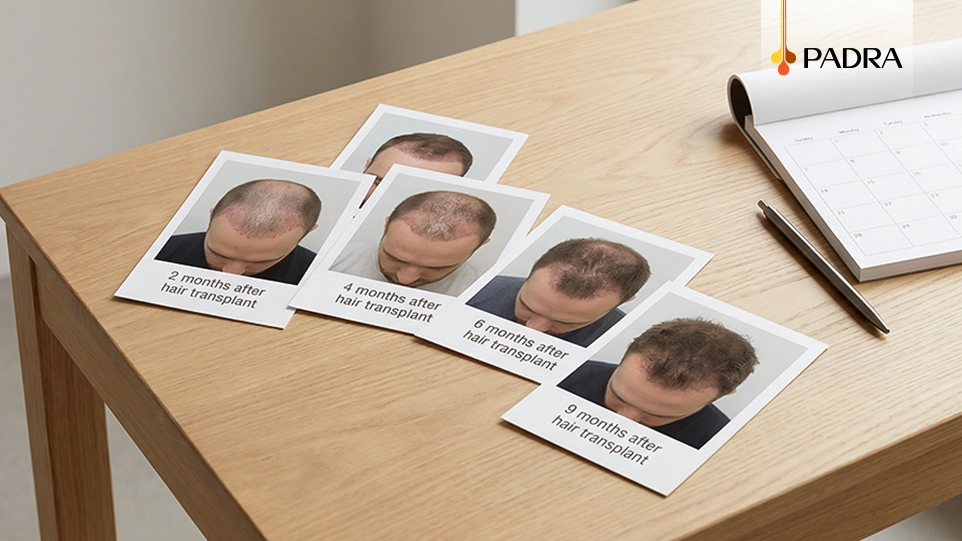
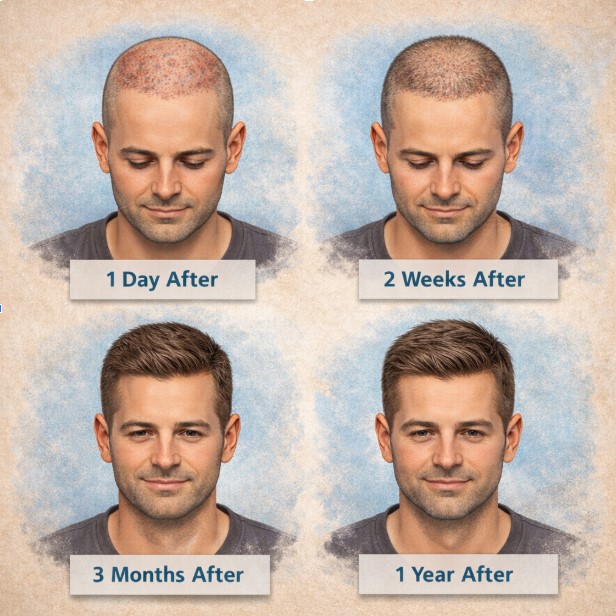
A hair transplant changes appearance in clear stages. Right after surgery, redness, scabs, and short grafts are normal and temporary. In the first weeks, scabs fall off and transplanted hairs often shed. Between 1–3 months, hair may look thin as follicles reset. Real visual improvement usually appears from 6–12 months, with thicker hair, better density, and a natural hairline that blends with existing hair.
If you are searching what does a hair transplant look like, you are likely trying to picture the result before making a decision. This is very common. Many people feel unsure because online images can be confusing, incomplete, or unrealistic. This article explains what a hair transplant looks like at every stage — from the first day after surgery to long-term hair plantation results — using clear, simple, and professional language.
The goal is to help you understand what is normal, what changes over time, and how modern hair transplants differ from older methods
What Does a Hair Transplant Look Like Right After Surgery?
Immediately after surgery, the scalp looks medical and temporary. This stage often causes the most concern, but it is also the shortest.
You may notice:
- Redness or pink skin in the treated area
- Small scabs around each transplanted hair
- Very short hair where grafts were placed
- Mild swelling on the scalp or forehead
This appearance is normal. The redness and scabs are part of the healing process. They do not reflect how the final result will look. Most early signs improve within the first one to two weeks.
Why this stage is temporary:
The scalp is adjusting to thousands of tiny grafts. Once healing begins, the surface changes quickly.
What Does a Hair Transplant Look Like During the First Weeks?
In the first one to four weeks after a hair transplant, the scalp is actively healing. At this stage, the appearance can feel concerning, but it is completely normal. Here’s what usually happens:
Scabs gradually fall off: Tiny scabs form around each graft immediately after surgery. With gentle washing as instructed by your clinic, these scabs will naturally detach over the first couple of weeks.
Redness fades: The pink or red tone of the scalp slowly decreases as healing progresses.
Skin may appear uneven: Small bumps or slight swelling can remain, which is part of the natural recovery process.
Transplanted hairs begin to shed: This shedding, often called “shock loss,” is expected and normal. Even though the visible hairs fall out, the hair roots beneath the skin remain intact.
This phase often worries patients because the scalp doesn’t look like the final result yet. However, shedding and slight unevenness are signs that the hair follicles are entering the growth cycle. The scalp is healing as it should, even if it doesn’t look fuller at this point.
What Does a Hair Transplant Look Like After 1–3 Months?
Between one and three months, most transplanted hairs have shed, which can make the scalp appear thinner than expected and sometimes cause worry. At this stage, early new hairs may start to emerge, but they are usually fine, short, and subtle. Growth is gradual, and visible improvement is minimal, so it may feel like nothing is happening. In reality, the hair follicles are actively producing new hairs beneath the skin, and patience during this phase is key to achieving natural, long-term results.
What Does a Hair Transplant Look Like After 6–12 Months?
This is when visible improvement becomes clear.
Common changes include:
- New hair is becoming longer and thicker
- Gradual increase in density
- Better blending with existing hair
- More natural texture and movement
By 12 months, most patients see the main outcome of their procedure. Some fine improvement may continue after this point, depending on hair type and healing.
View personalized case examples
Check timelines for hair similar to yours
Hair Plantation Results: What “Natural” Really Looks Like
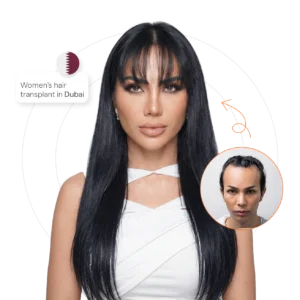
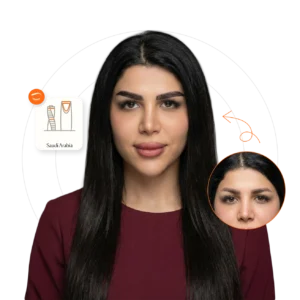
Natural hair plantation results do not mean extremely thick or flawless hair. Instead, a successful transplant typically creates a soft, slightly uneven hairline, gradually increasing density rather than instant fullness, and hair that grows in the correct direction to match your natural pattern. The overall appearance blends seamlessly with your existing hair, creating a result that looks subtle and natural. A well-planned transplant should never be obvious; it is designed to complement your face, age, and original hair characteristics.
What Do Hair Plugs Look Like? (And Why Modern Transplants Are Different)
Many people still worry about hair plugs, especially after seeing older photos online.
What do hair plugs look like?
- Large, round clumps of hair
- Very straight or unnatural hairlines
- Hair growing at incorrect angles
Hair plugs were used decades ago. Modern techniques such as FUE and FUT use much smaller grafts and careful placement. This allows surgeons to recreate a more natural look and avoid the “pluggy” appearance.
Factors That Affect How a Hair Transplant Looks
Every hair transplant is a little different, and that’s completely normal. How your hair looks afterward depends on a few things: the method your surgeon uses, your hair’s natural thickness, curl, and color, and how your scalp heals. The number of grafts placed, the shape of your hairline, and the direction each hair is implanted also matter. Even small things, like the lighting or how you style your hair, can change how full it looks. That’s why we always create a plan tailored to you — so your results look natural and fit your face and hair type.
Common Concerns and Misconceptions
“It looks obvious.”
This is usually related to early healing stages or outdated techniques. Modern planning focuses on subtle, natural design.
“It doesn’t look dense enough.”
Density builds over time. Some patients may plan a second session if more fullness is desired.
“It doesn’t match my natural hair.”
New hair often thickens and blends as it matures. Proper placement helps ensure consistency.
Final words: Understanding Your Hair Transplant Timeline
A hair transplant is a process, not a single moment. Right after surgery, the scalp may look medical or uneven, and the first few months can feel confusing as shedding occurs and new growth begins slowly. By six to twelve months, the results become more visible — hair thickens, blends naturally, and reflects careful planning and proper technique. True hair plantation results are subtle, tailored to your natural hair, and designed to complement your face and age. Modern methods like FUE and FUT avoid the old “pluggy” look and create a soft, natural hairline with realistic density.
It’s normal to have questions or concerns along the way. Understanding the stages of growth, factors that influence appearance, and realistic timelines helps you set expectations and reduce worry. A professional consultation can give you personalized insights and visual examples so you know exactly what to expect for your hair type and goals. With patience, care, and expert guidance, a hair transplant can deliver natural, lasting results that feel completely your own.