





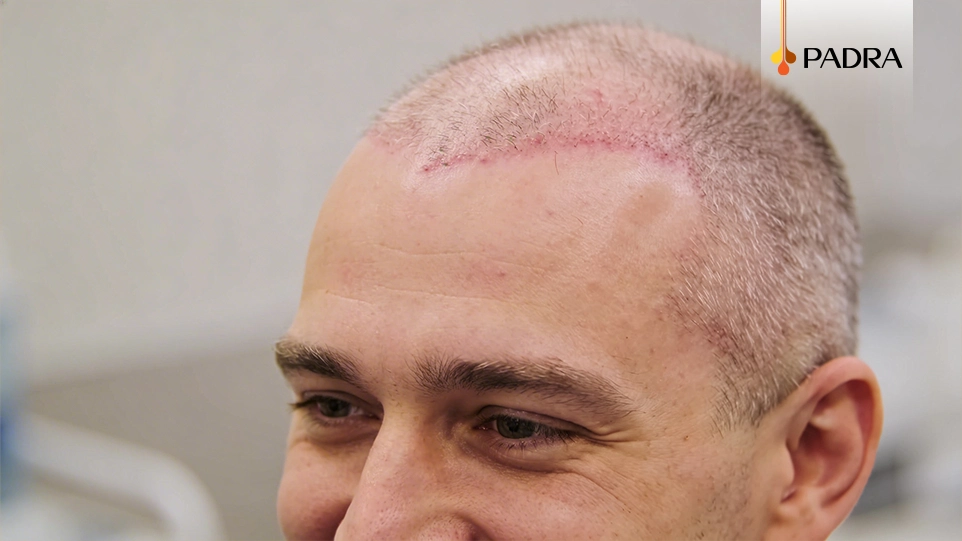
Reaching one month after a hair transplant can feel like a turning point — but also a confusing time. Many people expect big changes, yet what they see often feels like less than they hoped for. This is normal. Around 20–30 days after your hair transplant, your scalp is still healing and the visible growth phase has not yet begun in full. Understanding what’s happening right now helps you stay calm and confident about the path ahead.
Why the One-Month Mark Feels So Important
At this point, you’ve passed the initial wound healing and scab phase. Your scalp looks smoother and feels more normal. But it’s also the stage when most transplanted hairs shed. hair transplant timeline can make you doubt your progress, even though what’s happening underneath is part of a normal recovery cycle. Your body is preparing for new hair growth soon.
20–21 Days After Hair Transplant: What’s Changing
Around 21 days after hair transplant, most scabs have fallen off and the skin surface is smoother. Many patients still notice:
- a bit of redness or pinkness on the scalp,
- tenderness or mild itching as nerves heal,
- hair shedding is still ongoing.
This stage is sometimes surprising. It looks like progress, but real growth hasn’t begun yet.
30 Days After Hair Transplant: What’s Normal
By 30 days after hair transplant, it’s common for your new hair to appear thinner than before the procedure. You may see:
- patchy areas where hair shafts have fallen,
- no visible new growth yet,
- stable changes in texture.
Remember: what you see on the surface does not show what’s happening below. Hair follicles are healing and getting ready to produce new hair, but this takes several more weeks.
Shedding After Hair Transplant One Month — Why It Happens
This shedding is often called “shock loss.” It’s not damage — it’s part of the hair cycle. Transplanted hairs enter a resting phase (called telogen phase) soon after the procedure. They shed and then stay beneath the skin, ready to grow new strands later.
It’s important to know:
- Shedding can continue up to 6–8 weeks in some people.
- Losing hair at this stage does not mean the procedure failed. It’s often a sign the grafts have successfully taken root.
FUE Donor Area After 1 Month
The donor area — where hair was taken — usually heals well by this time. Most scabs are gone and the tiny extraction marks blend into the surrounding skin. You may still notice:
- slight pinkness or sensitivity,
- mild itching as the skin finishes healing.
If you feel numbness or mild discomfort, this is also normal and usually fades with time.
FUE Hair Transplant: The Complete Guide to No Scar & Natural Results
Common Concerns at One Month After Hair Transplant
You might worry about the way your hair looks now. Here are a few common thoughts and what they mean:
“My hair looks thinner than before.”
This is expected during the shedding phase. It often gets better once new growth begins after a few months.
“Is my transplant failing?”
In almost all normal cases, no. Early shedding is part of the process, not a sign of failure. The transplanted follicles are still alive and will start to grow new hair.
“Why am I still losing hair?”
Most shedding happens because the hair shafts are dropping during the resting phase. The follicles stay intact and will regrow. New hair growth usually begins around month 3 or later.
Want personalized guidance? Talk to a specialist now
One Month vs. Long-Term Results
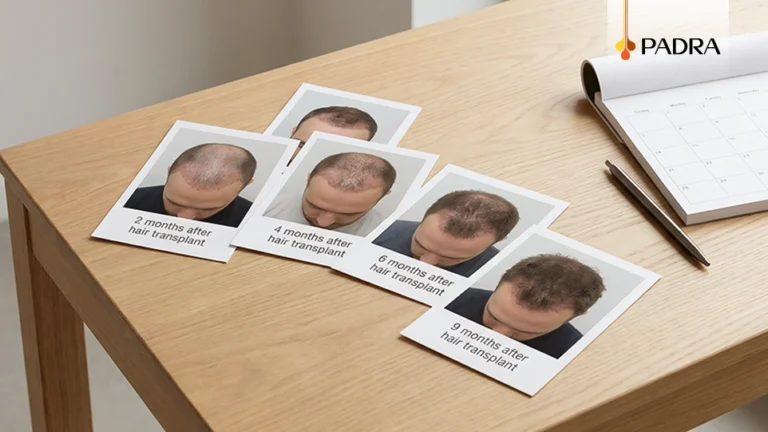
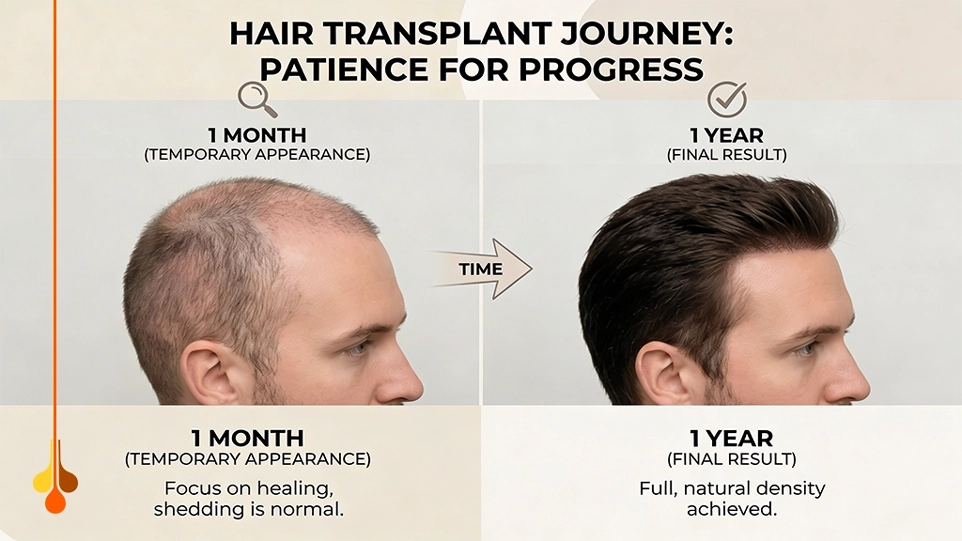
At this stage, your appearance does not reflect the final result. When comparing a 1 year hair transplant result, the difference is huge. At one year, most patients can see significant thickness and a more natural hairline. But at one month, the focus is healing and preparation — not visible fullness.
What Helps in the One-Month Phase
Here are steps that support your progress:
Follow aftercare instructions: Use recommended shampoos and topical products gently.
Avoid heavy sun exposure: Your scalp still heals and the sun can slow it down.
Be patient and avoid comparing: Every scalp heals differently and comparing to others often causes worry.
Staying calm and taking care of your scalp helps the follicles enter their active growth cycle more smoothly.
When Should You Contact the Clinic?
Most changes at this point are normal. But you should check in with your clinic if you have:
- signs of infection (increasing redness, warmth, pain),
- wounds that are not improving,
- spots that feel unusually firm or painful.
A clinic review around the one-month mark often brings clarity and reassurance. Schedule a check-in with your surgeon if you feel unsure.
Final Thoughts
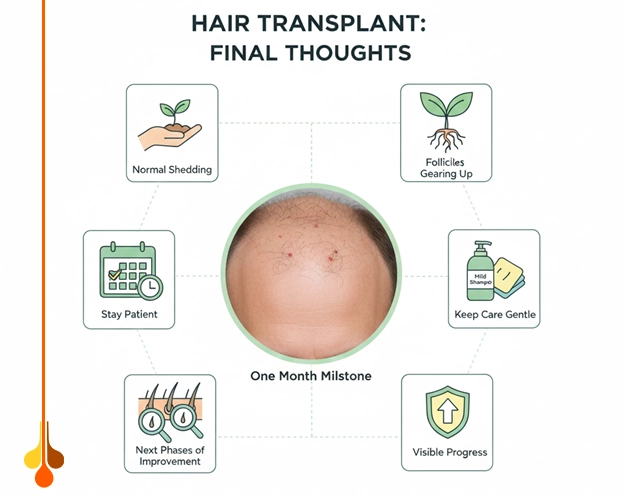
Reaching hair transplant one month is a milestone, but not a finish line. Shedding around this time is normal and expected. Your donor area should look more healed, and beneath the surface your follicles are gearing up for new growth. Keep care gentle, stay patient, and look forward to the next phases of visible improvement.
Request a clinical opinion