




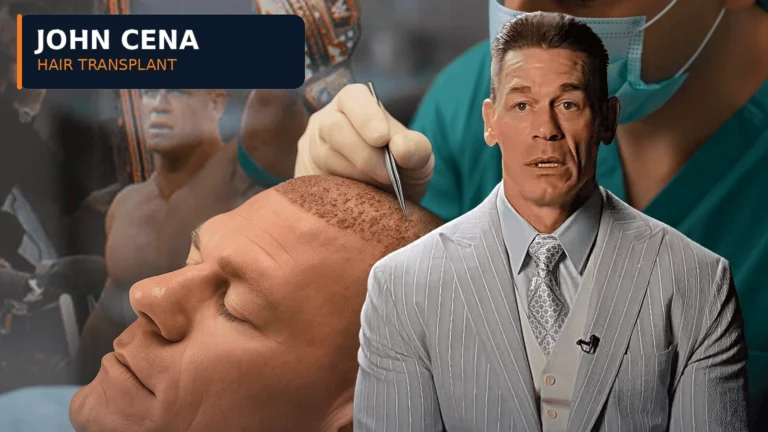


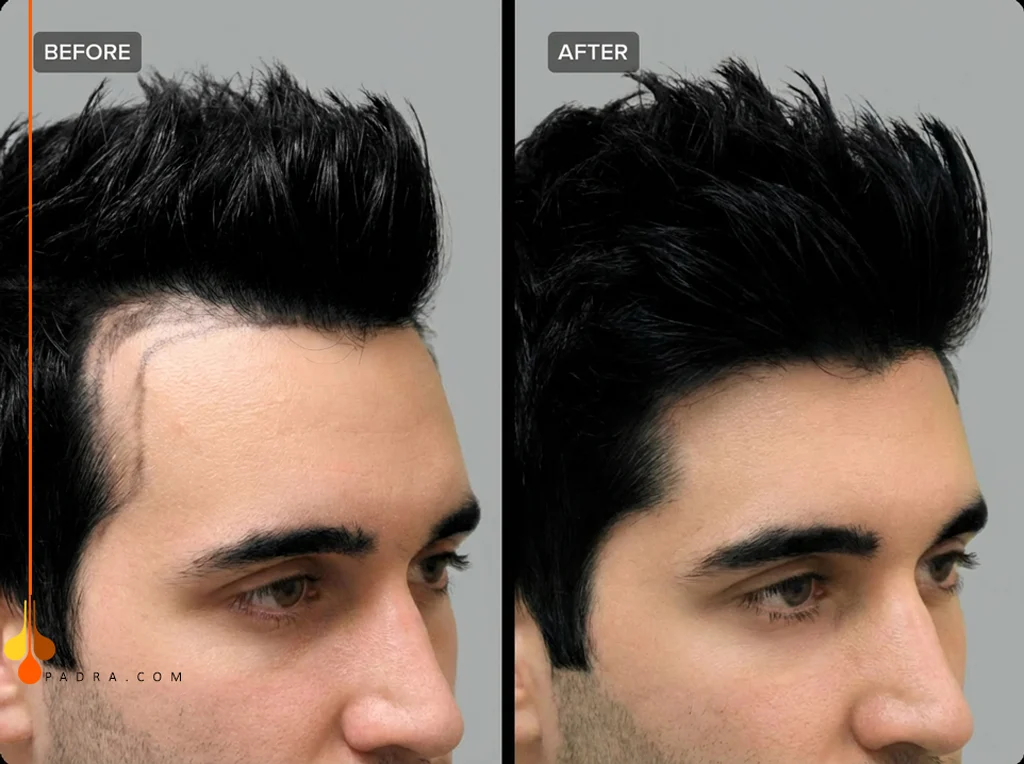
A minor (or micro) hair transplant is a targeted solution for early hair loss and small problem areas like receding temples, thinning eyebrows, minor bald spots, or scars. Using around 200–1,200 grafts, it focuses on precision rather than full coverage. The procedure is quick, discreet, and budget-friendly, with minimal downtime and natural-looking results—making it ideal for younger patients or anyone seeking a subtle, low-commitment hair restoration option.
Hey, if you’re catching those little shifts in your hairline or spotting a small thinning patch that bugs you every time you glance in the mirror, you’re definitely not the only one. Lots of folks deal with the early stages of hair loss or those annoying little spots they wish they could tweak. But hey, not everyone needs to go all-in with a massive hair surgery.
That’s where a minor hair transplant comes in—it’s basically a smaller-scale hair restoration focused on just those problem areas, like receding temples, thinning eyebrows, a tiny bald spot, or even a small scar. The goal? Getting your hair back to looking natural and normal without overhauling everything.
In this guide, I’ll break down how these minor transplants work, when they’re a solid choice, and what kind of results you might see.
Speak to a Hair Transplant Expert Now
What’s a Minor Hair Transplant All About?
Think of a minor hair transplant as targeted work using a handful of grafts to fill in or boost a specific area. A graft is just a small cluster of 1 to 4 hairs. Unlike big procedures that might involve thousands, this usually calls for only 200 to 1,200 grafts.
Keeping it small means the whole thing is:
- Super quick
- Easy on your scalp
- Pretty low-key and subtle
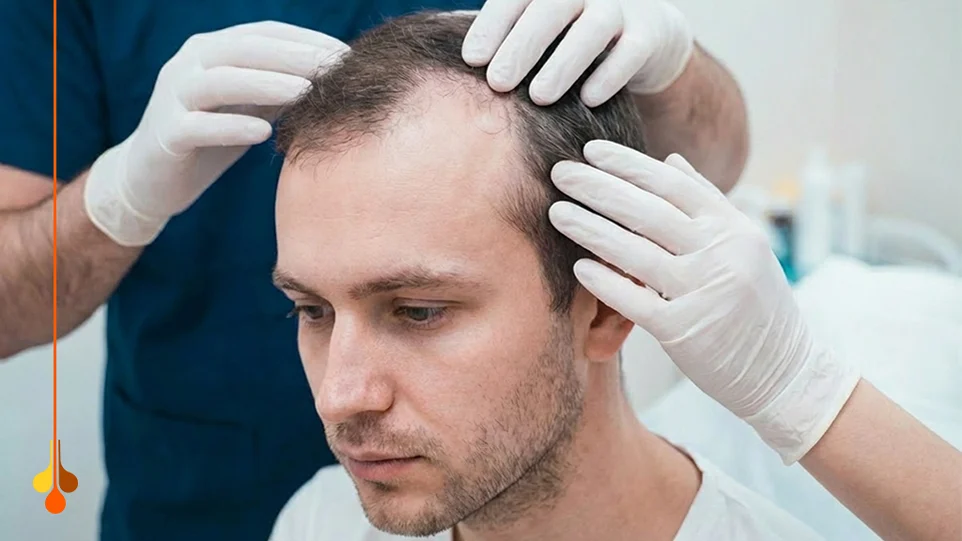
Most places use FUE (follicular unit extraction) or a micro version of it. They pluck individual hairs from the back of your head (the donor spot) and relocate them to where you need ’em. It’s all about precision, so the new hairs mesh right in with what you’ve already got.
If you’re after a gentle nudge rather than a total redo, this is a great fit.
When Does a Minor or Micro Hair Transplant Make Sense?
You could be a good candidate if you’re looking to sort out things like:
- Early Male Pattern Baldness: Temples tend to go first—filling them can keep your hairline fresh and young-looking.
- Eyebrow or Sideburn Issues: Maybe you want better shape or more density where hair’s always been sparse.
- Little Scars: From an injury, old surgery, or a burn? A quick session can camouflage it.
- Follow-Ups on Past Transplants: Got a lingering thin spot? This adds some extra oomph.
- Mild Thinning Overall: It can thicken things up without turning it into a big deal.
Receive Your Personalized Treatment Plan
The Step-by-Step on How It Goes Down
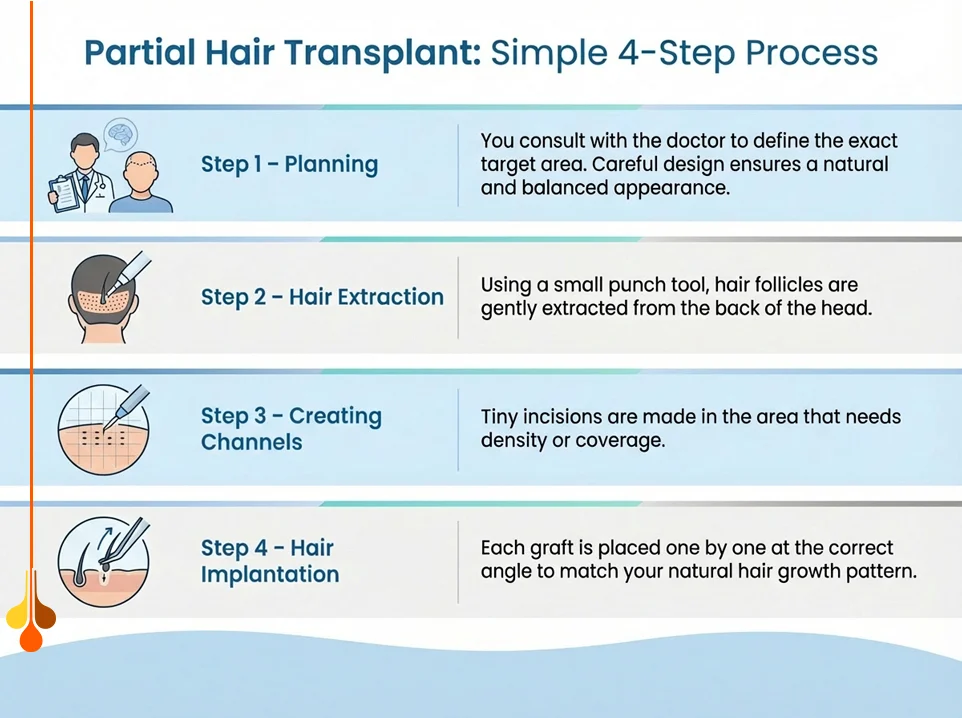
Sure, it is technically surgery, but it’s straightforward and not too intense. Here’s the typical rundown in four steps:
- Planning It Out: You chat with the doc and map the exact spot to target. They get nitpicky with the design to make it look right.
- Grabbing the Hairs: Using a small punch tool, they extract hairs from the back of your head.
- Making Room: Tiny slits get created in the area that needs help.
- Planting ‘Em In: Each graft goes in one by one, angled to match your natural growth pattern.
You’re awake the whole time, just numbed up locally. Plenty of people chill with music, podcasts, or even chit-chat through it.
Why Go for a Minor Hair Restoration?
Some real perks make this appealing for early hair loss or those isolated spots. For starters, it looks totally natural. With fewer grafts, the surgeon can fuss over placement to blend perfectly with your current hair—whether it’s your hairline, temples, or a scar. No one will spot the difference; it’s that subtle.
Recovery’s a breeze too. It’s not like those big ops where you’re out of commission for days. This is low-impact, so most folks bounce back in a day or two. Expect minimal scabbing, a bit of redness, and you’re good to get on with life.
Discretion is huge here. Opt for no-shave FUE, and you can keep your hair as is to hide any work right away. No awkward questions from friends or at the office.
On the wallet side, it’s way more affordable. Fewer grafts mean less time and lower costs compared to transplants with thousands involved. If you’re budget-conscious but want to tackle early loss, this hits the spot.
Plus, it’s a safe bet for younger folks. When hair loss is just kicking off, jumping into a full-head deal might be overkill.
The Downsides to Keep in Mind
It’s not a one-size-fits-all, though. A minor transplant won’t cut it for:
- Advanced Balding: If you’ve got big areas to cover, you’ll need something more comprehensive.
- Ongoing Hair Loss: Things might progress, so future touch-ups could be on the cards.
- Donor Hair Limits: Gotta be smart about not using up too much from the back in case you need it later.
Minor Hair Transplant vs. Full-Head One: Quick Comparison
| Feature | Minor/Micro Transplant | Full-Head Transplant |
| Grafts | 200–1,200 | 2,000–5,000+ |
| Purpose | Spot fixes | Broad coverage |
| Downtime | Minimal | A bit more involved |
| Cost | Budget-friendly | Pricier |
| Best For | Early thinning, small zones | Moderate to severe loss |
| Post-Op Vibe | Hardly noticeable | More obvious at first |
What to Expect with Results and Healing
Recovery’s speedy:
- Those little scabs flake off in 5–7 days.
- Seriously, most people say no one clocks that they’ve had work done.
As for growth:
- 2–3 months: Fine new hairs start poking through.
- 4–6 months: It gets more noticeable.
- 8–12 months: Full, thick, and natural-looking payoff.
Heads up—there’s a shedding phase a few weeks in, but it’s normal. The roots are fine, and stronger hair comes back.
Wrapping It Up
A minor hair transplant is a clever way to handle early loss or those pesky small areas. Be it temples pulling back, sparse brows, a little scar, or gaps from an old procedure, it restores that natural fullness without the commitment or cost of a major op.
It’s quick, under-the-radar, and easy on the pocket, ideal for younger people or anyone wanting a low-key boost. It won’t solve advanced balding like a full transplant would, but it can quietly rebuild your confidence.
If early thinning’s got you down or you’ve got a spot to fix, dipping your toe in with a minor or partial transplant could be spot-on. Plan ahead, and you can always build on it later. It’s a no-fuss path to keeping your hair looking full and fresh—without a total overhaul.
Start Your Hair Restoration Now