







- Frontal Hair Restoration Before and After — What Results Should Really Look Like
This guide explains how frontal results should look natural, why the front is the most critical area, and how to judge outcomes without falling for misleading photos.
- The Front Matters Most
The frontal area frames the face and reveals mistakes instantly.
- Natural Changes Are Subtle
Softer hairlines and better facial balance—not dense, perfect hair.
- Design Beats Density
Hairline planning matters more than graft numbers. - Results Take Time
True natural appearance develops around 9–12 months. - Planning Prevents Obvious Results
Good design ages better and avoids future regret.
When people look up frontal hair restoration before and after, they are usually not chasing perfection. They want to know one simple thing: Will the front of my hair look natural again?
Not thicker everywhere. Not like a wig. Just normal, balanced, and suited to their face.
The frontal area is the most important—and most sensitive—part of any hair transplant. Good work blends in and goes unnoticed. Bad work stays obvious for years. This guide explains what front hair transplantation before and after results truly show, how to judge them correctly, and how to avoid unrealistic expectations shaped by misleading images.
Why the Frontal Area Matters Most in Hair Restoration
The frontal area is the first place people look—often without realizing it. It frames the face, shapes expressions, and strongly affects how old or young someone appears.
Unlike the crown or back of the scalp, mistakes in the front cannot hide. A poorly planned hairline or unnatural density is visible in daily life, photos, bright light, and even casual conversations.
This is why experienced surgeons treat the frontal zone as the most critical area in hair restoration. It demands careful planning, artistic judgment, and restraint.
What Is Frontal Hair Restoration?
Frontal hair restoration focuses on rebuilding the front hairline and the frontal thinning area, not the entire scalp.
Many patients don’t need a full transplant. Restoring the front alone can dramatically improve appearance and confidence.
It’s important to understand the difference between:
- Hairline restoration: the very front edge that shapes the face
- Frontal density restoration: the area just behind the hairline that adds coverage and support
Natural results depend on how smoothly these two areas work together.
See Frontal Results That Match Your Hair Loss Pattern
View front hair transplantation before and after cases designed for real recession levels.
Explore Frontal Hair Restoration Results
Frontal Hair Restoration Before and After — What Actually Changes
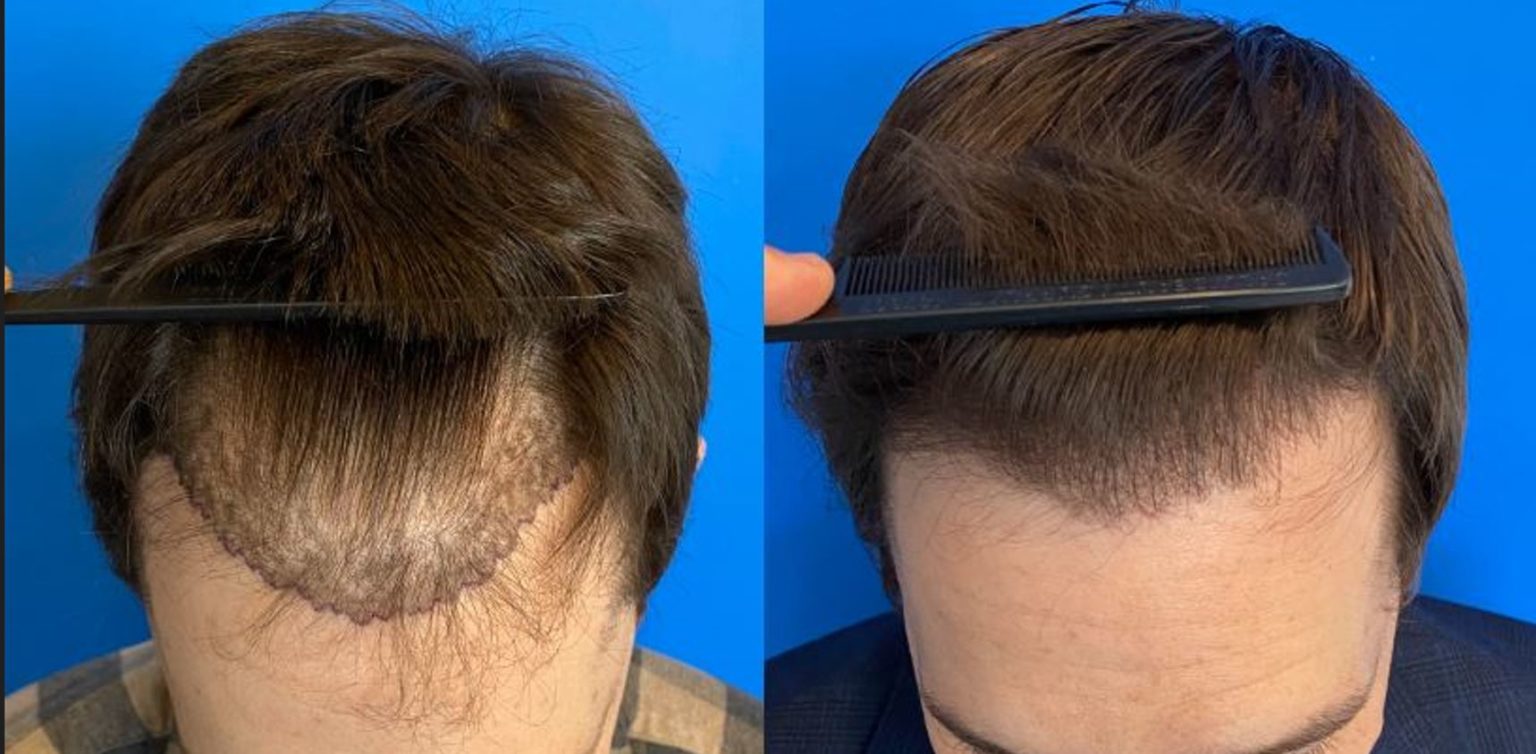
Strong frontal hair restoration before and after results are usually not dramatic at first glance—but they make a clear difference in how a person looks and feels. The changes are meant to blend into your natural appearance rather than stand out.
What most patients notice after frontal restoration is better balance in the face. The hairline no longer draws attention to thinning or recession. Instead, it frames the face in a softer, more natural way. Areas that once looked see-through gain coverage, but without looking heavy or packed. The goal is improvement, not exaggeration.
What typically improves includes:
- The face appears more proportioned and youthful because the hairline sits in a more natural position
- The front hairline looks softer, with gentle curves rather than harsh edges
- Thin frontal zones gain coverage, making styling easier and reducing scalp visibility
Just as important is what usually does not happen. Good frontal results do not create a solid wall of hair or a sharp, perfectly straight hairline. You should not expect mirror-image symmetry or the dense hairline of a teenager. These outcomes often look unnatural and are not the goal of professional frontal restoration.
The best front hair transplantation before and after results are quiet. They don’t announce that a procedure was done. Instead, they reduce the focus on hair loss so attention returns to the face itself.
Hairline Design vs Density in the Frontal Zone
In the frontal area, how the hairline is designed matters far more than how many grafts are used. Simply adding more grafts without a clear plan often leads to stiff, unnatural results that are easy to spot.
A natural-looking frontal restoration depends on careful detail:
- Single-hair grafts are placed at the very front to mimic natural hair growth
- Density increases slowly as you move back from the hairline, avoiding a sudden thick edge
- Small irregularities are built into the design so the hairline does not look straight or artificial
This gradual transition from the hairline into denser hair is critical. It creates depth, softness, and realism. When done correctly, the frontal area blends smoothly with existing hair. When done poorly, even high density cannot hide an unnatural design.
This is why refined planning—not graft count—is what separates high-quality frontal hair restoration from results that look obvious or overdone.
Timeline of Frontal Hair Restoration Results
Knowing the timeline helps avoid frustration. It is important to know that real results take time.
Immediately after surgery
Redness, scabs, and visible grafts are normal. The front may look harsh at first.
1–3 months
Most transplanted hairs shed. This stage worries many patients, but it is expected.
3–6 months
New hair begins to grow. Coverage improves, but the hair is still thin and uneven.
9–12 months
Final frontal hair restoration before and after results become clearer. Texture improves, and the hair blends naturally with existing growth.
Why Frontal Hair Restoration Results Vary So Much
Frontal results differ from person to person due to several factors:
- Hair thickness and color contrast with skin
- Level of frontal recession
- Quality of donor hair
- Surgical planning and execution
This is why comparing your outcome to someone else’s photos can be misleading.
Common Mistakes Seen in Poor Frontal Before & After Results
Some errors tend to repeat in poor results, especially in the frontal area. These include creating a straight, artificial-looking hairline, placing too much density right at the front, setting the hair in the wrong growth direction, or designing the hairline without considering future hair loss.
Because the frontal zone is the most visible part of the hairline, these mistakes stand out immediately and are often difficult to correct later. If you want it even softer or more conversational, I can tweak the tone further.
How to Evaluate Frontal Hair Restoration Before and After Photos
Not all photos tell the full truth, so it’s important to look closely when reviewing results. Reliable before and after images are taken from the same angle and under similar lighting, include clear close-ups of the hairline, show honest timelines measured in months rather than vague “after” shots, and don’t hide the donor area. Professional clinics focus on consistency and transparency, not just perfectly staged highlight images.
Frontal Hair Restoration vs Crown Restoration — Why Expectations Differ
The frontal area and crown behave very differently. The front needs less density to look full because it frames the face. The crown needs more grafts due to its swirling pattern. This is why frontal restoration often creates a stronger visual impact—even with fewer grafts.
Learn How Natural Hairlines Are Properly Designed
Discover what separates natural results from obvious transplants.
Study Expert Hairline Design Principles
Can Frontal Hair Restoration Look Completely Natural?
Yes—but only with realistic planning. Subtle work always ages better than aggressive designs.
Natural results depend on:
- Respecting facial proportions
- Age-appropriate hairline placement
- Avoiding overly dense packing
Final Thoughts — The Front Defines the Result
In hair restoration, the front tells the whole story.
Strong frontal hair restoration before and after results come from planning, design, and long-term thinking—not chasing numbers. When done well, the work disappears into your appearance. When done poorly, it stays visible for years.
Learning how to judge frontal results helps you make smarter decisions and avoid disappointment.