





When you start looking up hair plugs before and after shots, it is easy to get overwhelmed. You see some photos that look like a miracle and others that look like doll hair from the 1980s. The truth is, the world of hair restoration has changed completely, but the old labels have stuck around.
If you are trying to figure out what is real and what is just good lighting, you are in the right place. Let’s break down how to look at these images so you can spot a quality result from a mile away.
Why “Hair Plugs Before and After” Photos Can Be Misleading
The term “hair plugs” actually refers to an old-school method where doctors moved large circular chunks of skin and hair. Those old photos often show “doll hair” or “corn row” patterns.
Today, most people still type in “hair plugs” when they actually mean modern hair transplants. This mix-up in names means that when you search, you might see a scary photo from 1995 right next to a 2024 masterpiece. Many photos online don’t represent modern procedures at all. Using outdated terminology confuses users because it sets the wrong expectations for what a doctor can achieve today.
Old Hair Plug Surgery vs. Modern Hair Transplants (Before & After)
The difference between then and now is like comparing a typewriter to a laptop.
- Graft Size: Old plugs used large “mini-grafts” that looked like clumps. Modern results use follicular units (1–4 hairs), which are tiny and blend perfectly.
- Hairline Patterns: Older methods often used straight, sharp lines. Nature isn’t straight. Modern hairlines are built with a “soft” irregularity.
- Scarring: Old surgery left visible round scars. Modern techniques leave either a single thin line or tiny dots that are nearly impossible to see.
What Modern Hair Plugs Before and After Results Look Like
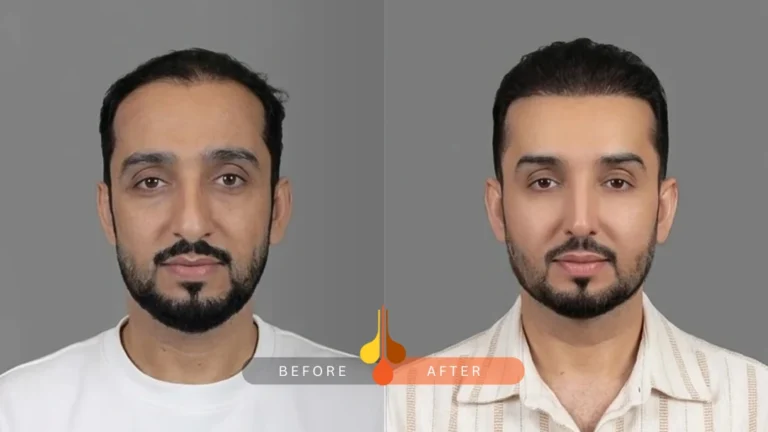
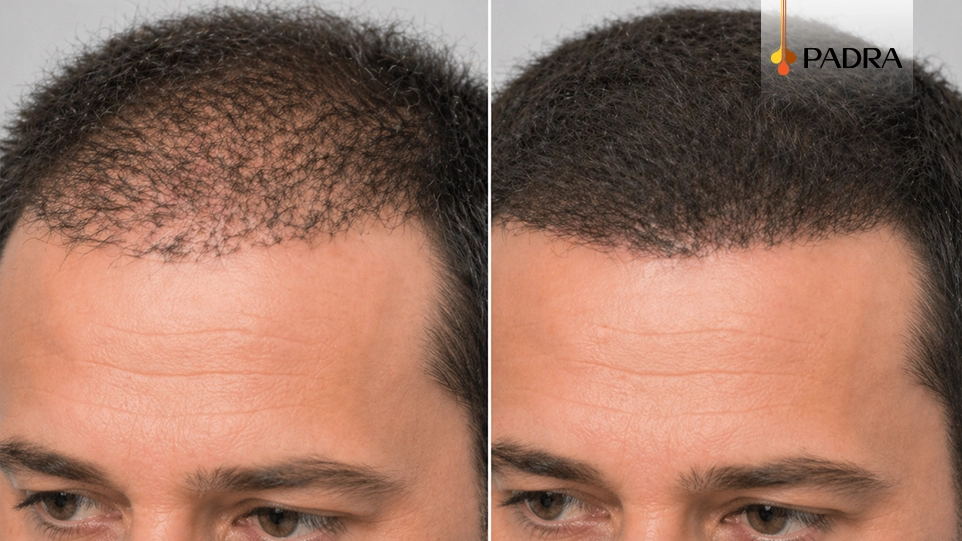
If you see a modern result, you shouldn’t be able to tell “work” was done. Here is the reality of a modern finish:
- Gradual Density: It doesn’t go from bald to a thick forest overnight. It looks like a natural thinning that has been reversed.
- Soft Hairlines: The very front of the hair should have single, fine hairs to mimic a natural edge.
- Perfect Blending: The new hair should flow in the same direction as your original hair.
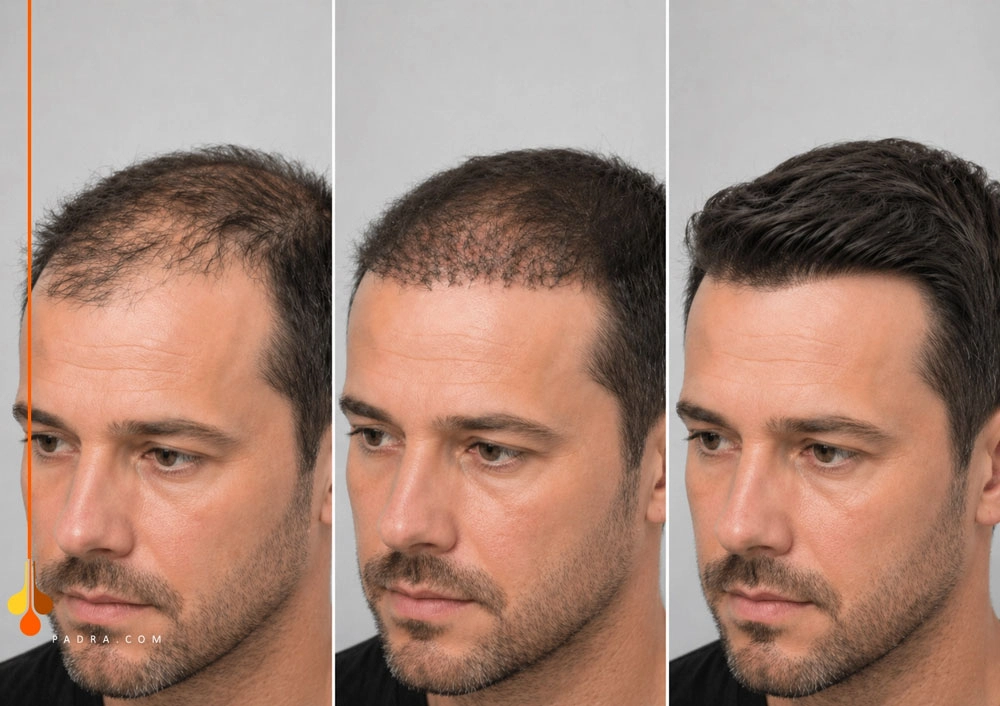
When Before & After Photos Are Taken Matters
Timing is everything. If you see a photo from 3 months post-op, the patient might actually look worse than before because of “shock loss.”
- 3 Months: Often patchy and disappointing.
- 6 Months: The “sprouting” phase where you see the first real change.
- 12 Months: This is the gold standard. You need a full year to see the true thickness and texture.
What to Look for in Real Hair Plugs Before and After Pictures
To be a smart researcher, you have to look past the smile of the patient. Look for:
- Consistency: Are the “before” and “after” shots taken at the same angle with the same lighting?
- No Tricks: Watch out for hair fibers (colored powders) or heavy styling that hides the scalp.
- The Donor Area: A good clinic shows the back of the head too, proving they didn’t over-harvest the hair.
Signs a Hair Plug Result Looks Unnatural
Even with modern tools, some results still miss the mark. When looking at pictures of hair plugs, watch out for these red flags:
- The “Wall” of Hair: A hairline that is too straight or too low for the patient’s age.
- Clumping: Seeing groups of 3 or 4 hairs right at the forehead.
- Mismatched Direction: Hair that stands straight up while the rest of the hair lays flat.
Why Some “Good” Results Still Look Different on Each Person
Your results won’t look exactly like the guy in the photo. Factors like hair-to-skin color contrast (dark hair on light skin is harder to hide) and hair thickness play a huge role. Someone with coarse, wavy hair will always look “thicker” than someone with fine, straight hair, even with the same number of grafts.
Can Before & After Photos Predict Your Result?
Photos are great for inspiration, but they aren’t a promise. Your donor area—the “permanent” hair on the back and sides—is the limit. A doctor can only move what you already have. This is why a personalized plan is more important than a photo gallery.
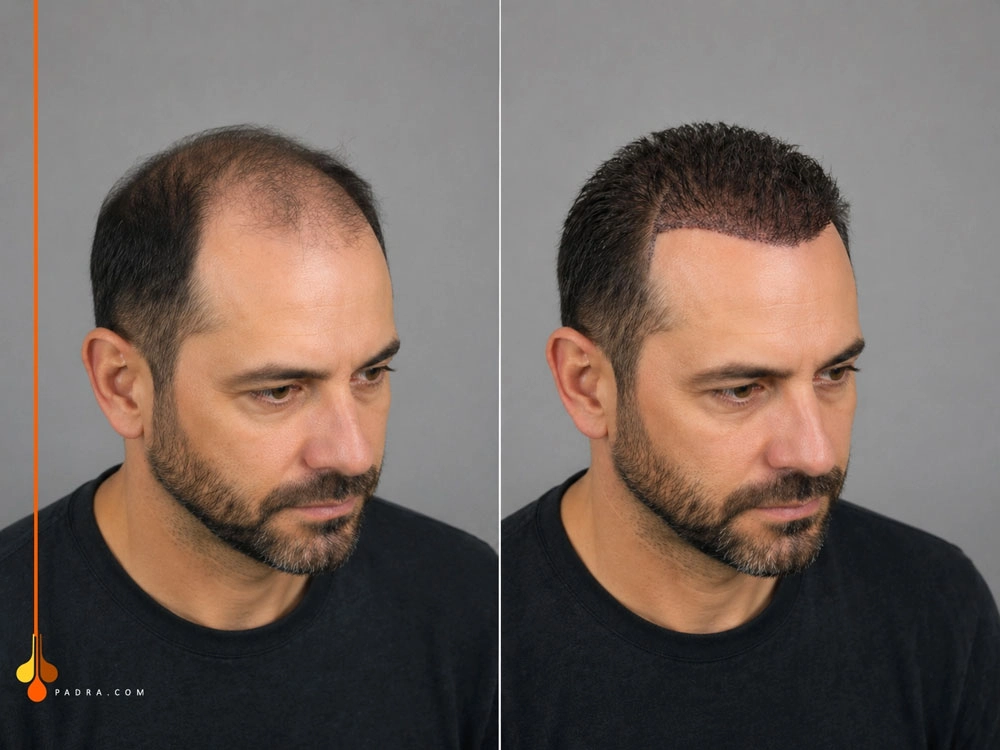
How to Use Hair Plugs Before and After Photos Wisely
Use photos to learn, not just to dream. Look for patients who have a similar hair loss pattern and hair type to yours. Remember, the goal isn’t just to have more hair; it’s to have hair that looks like it was always there.
Comparison of Modern Techniques vs. Legacy Plugs
To help you understand what you are seeing in modern galleries, this table highlights the technical shift in hair restoration quality.
| Feature | Legacy “Hair Plugs” | Modern FUE / DHI |
| Graft Composition | 10–20 hairs per large plug | 1–4 hairs (Follicular Units) |
| Graft Survival | 60–80% (Higher trauma) | 90–95% (Precise handling) |
| Hairline Design | Linear, aggressive, symmetric | Irregular, soft, age-appropriate |
| Recovery Time | 2–4 weeks (Invasive) | 3–7 days (Micro-punches) |
| Long-Term Look | “Doll hair” clumping | Indistinguishable from native hair |