

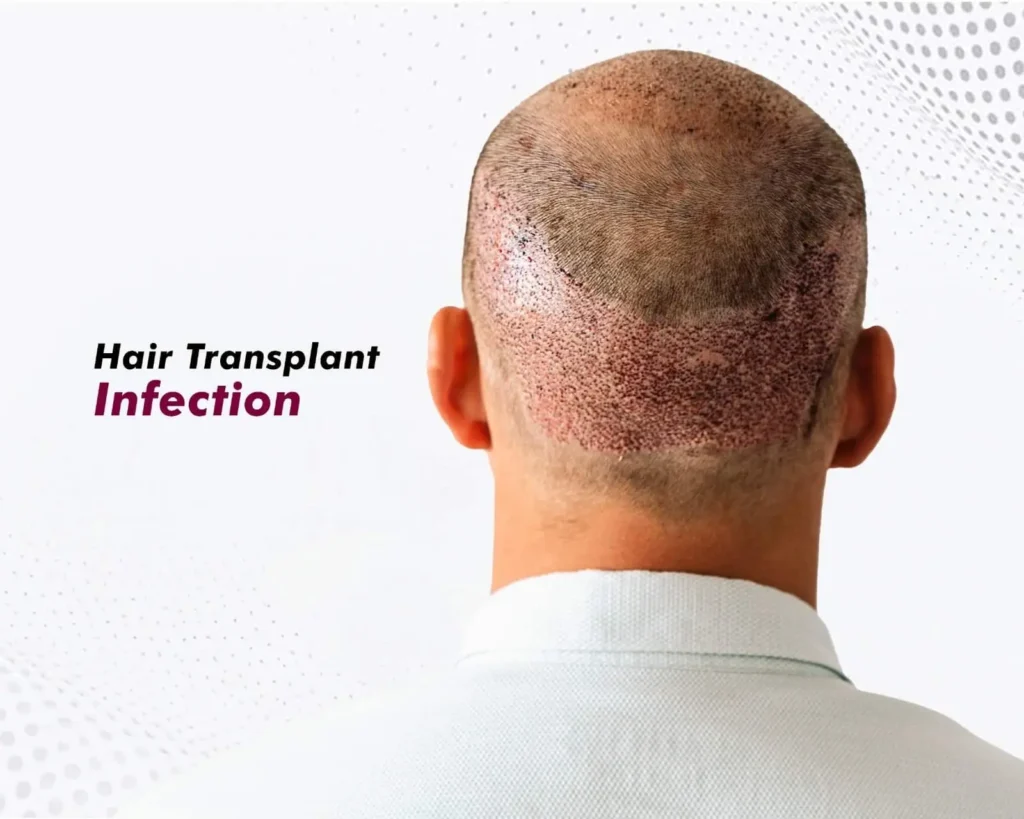
- Infected Hair Transplant Follicles: Understand that while true infections are rare (under 1%), they require professional diagnosis to distinguish from normal post-surgical irritation.
- Healing vs. Infection: Normal healing involves light pink redness and dull aching, whereas infections present as spreading deep red skin, throbbing pain, and yellow/green pus.
- Risks of Self-Treatment: Avoid “popping” bumps or applying unprescribed ointments, as these actions can spread bacteria, kill follicles, and cause permanent scarring.
- Actionable Prevention: Reduce risks by strictly following wash routines, avoiding touching grafts for 10 days, and using clean pillowcases to maintain a sterile environment.
Finding a bump or seeing redness after a procedure can be stressful. If you are searching for infected hair plugs, you are likely looking for a quick answer: “Is my transplant failing?”
First, take a deep breath. While the term “plugs” is a bit outdated, the concern about an infected hair transplant follicle is very real. However, true infections are actually quite rare when a procedure is done in a clean environment. Most of what looks “scary” in the first few days is actually just your body doing the hard work of healing.
What Are Infected Hair Plugs?
In the modern world of hair restoration, we don’t really use “plugs” anymore. We use tiny, individual follicles. When people talk about infected hair plugs, they are usually referring to an infection of these newly transplanted follicles (folliculitis) or the skin surrounding them.
Because the scalp has an incredible blood supply, it is generally very good at fighting off bacteria. But, because the skin has been opened to place the new hair, there is a small window where bacteria can get in if the area isn’t kept clean.
Is Infection After a Hair Transplant Common?
The short answer is no. When you choose a reputable clinic with high safety standards, the risk of a hair transplant infection is usually less than 1%.
However, risks go up if:
- The clinic uses unsterile tools (common in “black market” or “botched” hair transplants).
- The patient doesn’t follow the washing instructions.
- The donor or recipient areas are touched with dirty hands or exposed to dusty environments too early.
Normal Healing vs. Hair Transplant Infection
This is the most important part to understand, so you don’t panic. Your scalp will look irritated after surgery—that is normal.
| Symptom | Normal Healing | Signs of Infection |
| Redness | Light pink, fades after a few days. | Deep red, spreading, or feels hot. |
| Pain | Dull ache or “tight” feeling. | Throbbing or increasing sharp pain. |
| Bumps | Small, flesh-colored or red “pimples.” | Large, yellow/white-headed pustules. |
| Swelling | Common around the forehead/eyes. | Swelling that is tender, hard, or localized. |
| Oozing | Clear or slightly bloody fluid (day 1-2). | Thick, yellow or green pus (any time). |
Signs of an Infected Hair Transplant Follicle
If you are dealing with a genuinely infected hair transplant follicle, your body will usually let you know through “active” symptoms. Unlike the passive soreness of healing, an infection feels like it is getting worse rather than better.
Watch for:
- Increasing Warmth: The skin feels significantly hotter than the rest of your head.
- Spreading Redness: If the red area is “growing” away from the graft site.
- Pus or Discharge: Seeing yellow or green fluid is a clear sign that bacteria are present.
- Fever or Chills: This is rare, but if you feel flu-like symptoms, it means the infection may be spreading.
Hair Transplant Bumps — Infection or Something Else?
Not every bump is an infection. Many patients see hair transplant bumps around the 2 to 3-month mark. This is often just “folliculitis,” which happens when the new hair is trying to break through the skin. It can look like a small pimple, but it is usually just an ingrown hair or a minor irritation from sebum (skin oil) buildup. These usually go away with warm compresses and don’t require heavy antibiotics.
Hair Transplant Infection Pictures — Why Images Can Be Misleading
Searching for hair transplant infection pictures online can lead to unnecessary fear. Lighting can make normal redness look like a severe rash, and many “horror story” photos are from botched hair transplant infection cases where the patient didn’t seek help for weeks.
Don’t use a Google image to diagnose yourself. A blurry photo can’t tell the difference between a minor ingrown hair and a staph infection.
What Causes “Botched” Hair Transplant Infections?
Most infections are preventable. A botched hair transplant infection usually stems from one of two things: a “hair mill” clinic that doesn’t prioritize hygiene, or accidental contamination by the patient.
Common culprits include:
- Touching the Grafts: Your fingernails are full of bacteria. Picking at scabs is the https://www.google.com/search?q=%231 way patients cause their own infections.
- Over-Dense Packing: If a doctor places too many hairs too close together, the skin can struggle to heal, creating a breeding ground for bacteria.
- Poor Aftercare: Skipping the prescribed washes allows sweat and oil to trap bacteria against the healing wounds.
Hair Transplant Infection Popping — Why This Is Dangerous
It is incredibly tempting to squeeze a bump that looks like a whitehead. Hair transplant infection popping is one of the worst things you can do.
- Spreading: You can push the bacteria deeper or spread them to nearby healthy grafts.
- Follicle Death: The pressure from squeezing can actually dislodge or kill the new hair follicle.
- Scarring: Popping causes unnecessary trauma, which can lead to permanent scars that prevent future hair growth.
How Are Infected Hair Plugs Treated?
The good news is that even if you have an infection, it is usually very easy to fix if caught early.
- Topical Solutions: Doctors often prescribe antibiotic creams or washes.
- Oral Antibiotics: If the infection is deep, a 7-day course of pills usually clears it up completely.
- Gentle Cleaning: Your doctor may instruct you on how to soak the area to drain any fluid safely.
Can Infection Damage Hair Transplant Results Permanently?
If you act fast, the answer is usually no. However, if an infection is left untreated, it can cause “necrosis” (tissue death) or scarring. This can kill the transplanted follicles, leaving you with patchy results. The key to a successful “after” photo is catching “before” problems early.
How to Reduce the Risk of Hair Transplant Infection
- Keep Your Hands Down: Do not touch, scratch, or pick at your head for at least 10 days.
- Follow the Wash Routine: Use the specific shampoo and technique your clinic provided.
- Change Your Pillowcase: Use a fresh, clean pillowcase every night for the first week.
- Avoid Sweating: Stay out of the gym and avoid dusty areas for at least 14 days.
When to Contact Your Doctor Immediately
Contact your clinic if you experience:
- Worsening pain that medication doesn’t help.
- Redness that moves further away from the transplant site each day.
- A fever over 101°F (38°C).
- Foul-smelling discharge.