







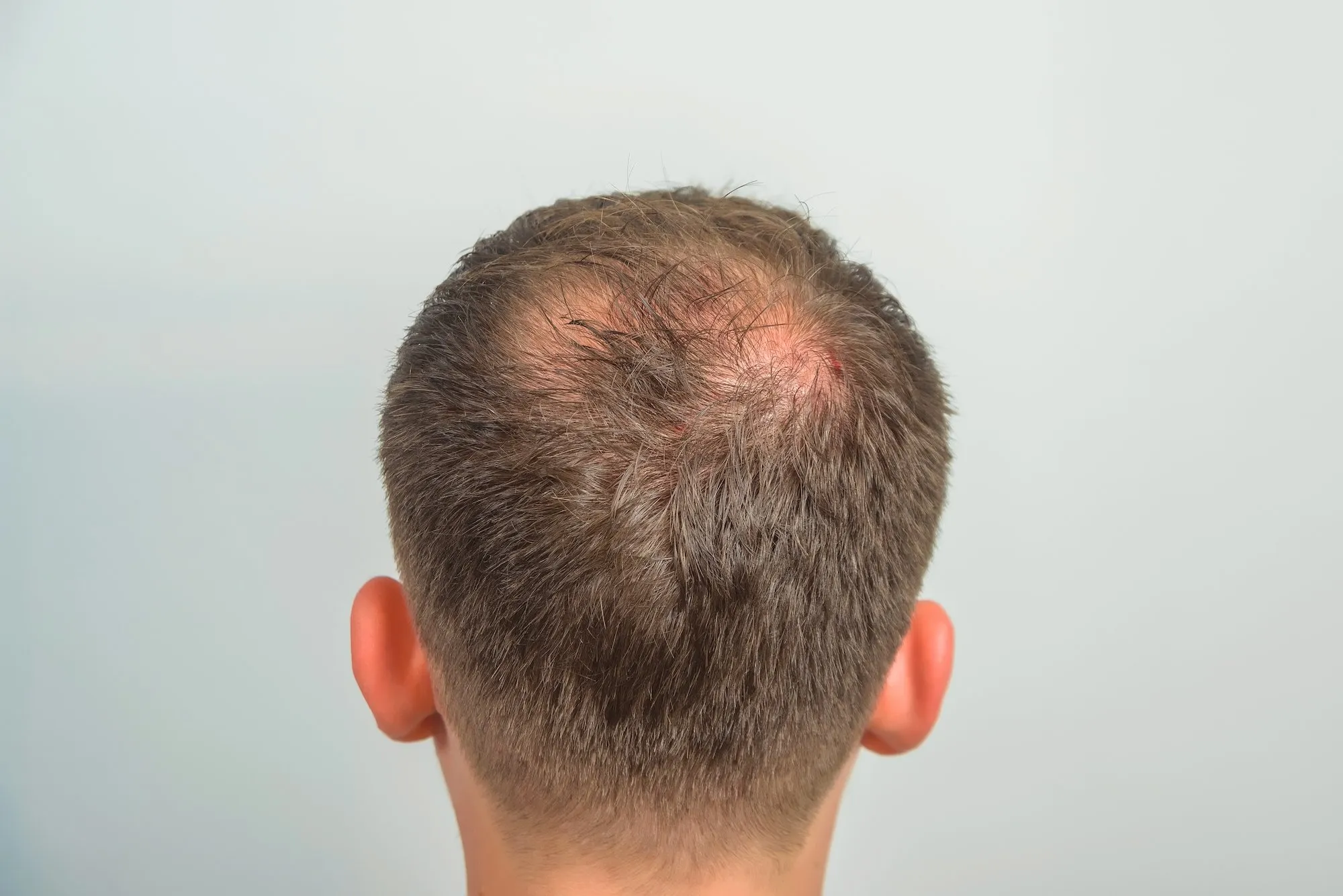
- Hair Transplant Candidates: Who Qualifies and Who Should Wait — Guide to determine eligibility based on stable hair loss, donor density, age, and realistic expectations.
- Ideal candidates: Predictable pattern, strong donor hair, mature hairline, realistic goals.
- Who should wait: Rapid shedding, weak donor areas, young age, or unrealistic expectations.
- Donor options: Scalp primary, beard/body secondary.
- Planning & mindset: Medical therapy, staged approach, patience for 6–12 months of growth.
Thinking about a hair transplant? You’re not alone. Every day, many men ask themselves: “Am I a good candidate?” or “Will this work for me?” This guide helps you answer those questions clearly and honestly. It’s written in simple language so you can understand suitability—not just promises.
If you want decision-ready information that separates realistic possibilities from myths, you’re in the right place.
What Really Makes Someone a Hair Transplant Candidate?
When people think about hair transplant candidates, many imagine a solution that instantly brings back thick hair. That’s not how modern surgery works. Candidacy isn’t just about wanting more hair—it’s about whether your biology, donor supply, and expectations align with what surgery can actually deliver.
A true candidate is someone whose hair loss pattern is predictable, whose donor hair is strong and stable, and whose goals are realistic. Too many poor outcomes happen when these basics are overlooked.
Why Not Everyone Is a Good Candidate for Hair Transplant Surgery
Hair transplant surgery doesn’t stop hair loss or create hair where none exists. It takes existing hair from one area and redistributes it to another.
For many men, the first disappointment comes not from the quality of the procedure, but from pursuing surgery too soon or with the wrong expectations. Some common reasons people are not good candidates include ongoing rapid hair loss, weak donor hair, or the belief that surgery will fully restore teenage-level density.
Good candidacy means understanding what is possible first, surgery second.
What Medical and Biological Factors Matter Most
Successful hair transplants depend on more than technique. Doctors evaluate specific biological factors that affect graft survival, natural appearance, and long-term stability. These medical details help determine whether surgery is likely to work now, or whether waiting or alternative treatment is the better option.
Donor Area Quality and Hair Density
The most important factor in any hair transplant is the donor area, usually the back and sides of your scalp. Hair from here tends to resist genetic thinning and is what surgeons use to rebuild thinning or bald areas. If this reserve is weak, too sparse, or affected by shedding, you may not achieve lasting coverage.
This is why surgeons spend so much time assessing donor strength before planning anything.
Pattern and Stability of Hair Loss
Hair loss that keeps changing is harder to treat with surgery. Ideal candidates show:
- A stable pattern of hair loss
- Predictable future progression
- No signs of active shedding or inflammatory conditions
When loss is still advancing quickly, surgery can deliver results that look uneven over time, so doctors often recommend medical therapy first.
Age and Long-Term Planning
Young men experiencing early hair loss often do not have a final pattern yet. That makes it difficult to plan a transplant that ages well. Many specialists suggest waiting until loss stabilizes, usually after the early 20s, before considering surgery.
How Different Types of Hair Loss Affect Candidacy
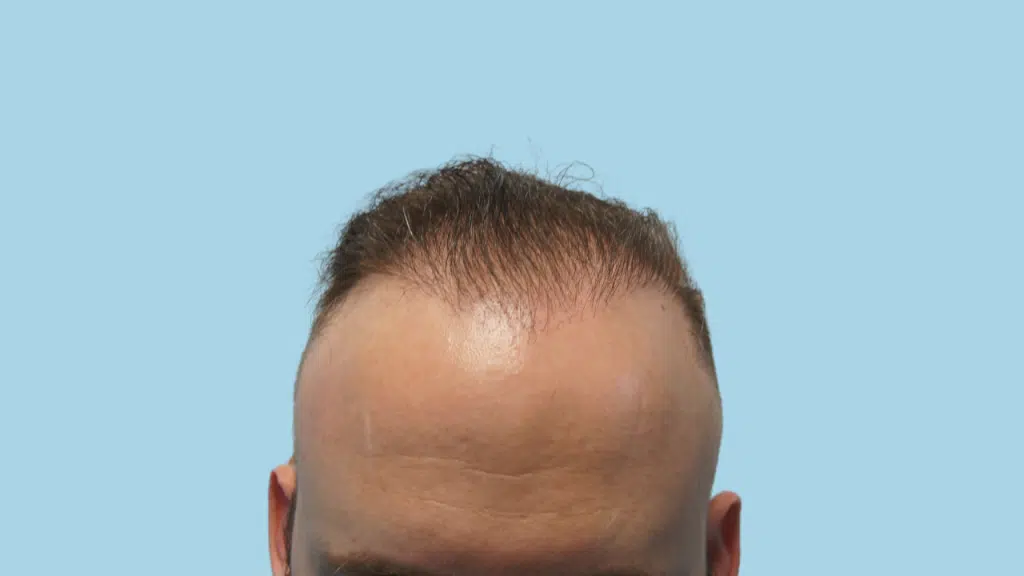
Not all hair loss types are equal when it comes to surgery. Most successful candidates show:
- Receding hairlines with a clear pattern
- Crown thinning that has stopped shifting
- Localized bald patches
- Androgenetic alopecia with predictability
Diffuse, widespread thinning, scarring alopecia, or hair loss caused by systemic illness usually requires treatment first before any surgery is considered.
Using Beard Hair When the Scalp Donor Is Limited
If your donor supply at the scalp is limited, beard hair can sometimes be used as extra donor material. Beard hair is typically thicker and stronger, and in select cases, it can help increase coverage on the scalp.
Some men researching outcomes look at terms such as beard to scalp hair transplant before and after, or FUE beard transplant before and after. But it’s important to remember that beard hair is usually a secondary option, not a first choice for mainstream scalp restoration.
Who Qualifies for a Beard Transplant?
Beard transplant candidates often have:
- Patchy or uneven facial hair
- Scarring or congenital bald patches in the beard area
- Sparse beard density that affects self-confidence
Images like beard transplant before and after or full beard transplant before and after can be inspiring, but they don’t show whether you qualify. Facial hair varies widely in texture, thickness, and donor quality, so outcomes differ too.
Why Before & After Photos Don’t Define Your Candidacy
Before and after galleries are powerful visual tools, but they’re personal. A great result for someone else doesn’t mean the same plan, number of grafts, or donor strength will work for you.
Photos don’t show:
- Donor quality or hair caliber
- Long-term planning behind the case
- Actual medical eligibility
For example, beard transplant results vary a lot between individuals, even if they look similar in pictures. A poor hair transplant isn’t always about a “total loss” of hair.
Hair Transplant Candidates vs Non-Candidates — A Clear Contrast
Good candidates typically have stable hair loss, sufficient donor hair, and honest goals about what surgery can achieve. Non-candidates often have unpredictable patterns, inadequate donor supply, or expect instant perfection.
Understanding this distinction protects you from unnecessary procedures and keeps future options open.
Can You Become a Better Candidate Over Time?
Yes. Many men who aren’t ready today can improve their eligibility with time, medical therapy, and monitoring. Stabilizing hair loss with medication, waiting for a mature pattern, and planning in stages often leads to better, more natural results.
Waiting isn’t hesitation—it’s smart planning.
Mental Readiness — An Underrated Qualification
Surgery is not just a technical decision. It demands patience, emotional clarity, and a realistic view of growth timelines. Hair does not appear overnight, and density takes months to emerge. Patients who understand this are more satisfied with their results in the long run.
How Surgeons Evaluate You Professionally
A real evaluation includes:
- Microscopic donor analysis
- Hair loss mapping
- Long-term forecasting
- Willingness to say no
Ethical surgeons protect patients by filtering—not pushing.
The Right Candidate Gets the Right Result
The most consistent observation in hair restoration is this: technique matters less than candidacy. Whether it’s scalp, beard, or body donor hair, the right biological and psychological match determines outcomes. A well-planned approach rooted in eligibility, not impulse, leads to results that age well and feel natural.