





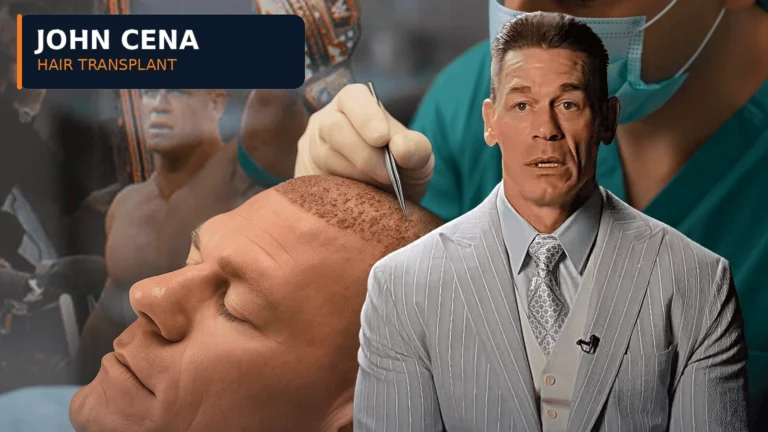


- Hair Transplant With Donor Hair: What Patients Need to Understand — Uses your own follicles, not another person’s.
- Donor Hair Source — Back and sides of scalp; body hair is secondary.
- Why External Hair Fails — Immune rejection makes it impossible.
- Limited Supply — Donor quality and density set realistic results.
- Key Takeaway — Understanding donor hair prevents false expectations and ensures safe, effective transplants.
Hair Transplant Edges: What’s Possible and What’s Not
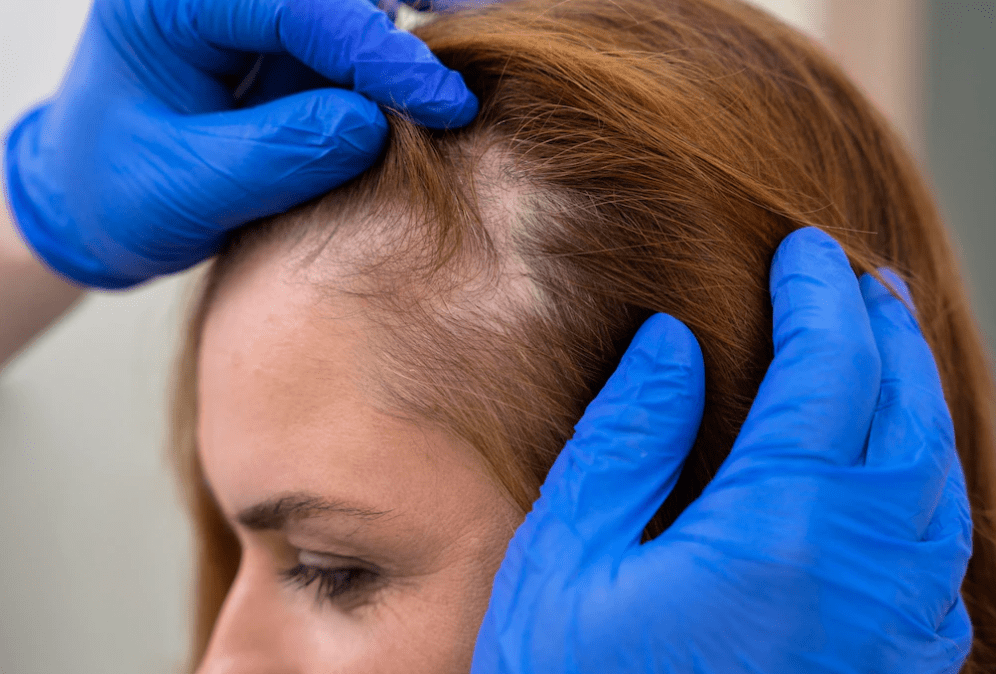
Thinning edges can feel like a small detail, but for many people, they’re the most noticeable part of hair loss. The temples and front hairline frame the entire face, so when those areas recede or weaken, it can change your appearance more than thinning elsewhere.
That’s why hair transplant edges are one of the most requested procedures today. At the same time, edge restoration is also one of the most delicate and failure-prone areas in hair transplantation. The truth is simple: edge work can look beautifully natural in the right candidate, but it is not suitable for everyone.
This guide explains what edge restoration can realistically achieve, when it works, when it doesn’t, and why careful planning matters more than graft numbers.
What Are “Edges” in Hair Transplant Surgery?
In transplant surgery, “edges” refer to the fine border zones of the hairline. This includes the temple corners, the very front hairline, and the soft transition area where hair gradually becomes thicker moving backward.
Edges are different from restoring the full frontal scalp. The hairline border is made up of finer, single hairs that create a feathered look. A natural hairline is never perfectly straight or overly dense at the front, which is why edge restoration requires more artistic design than simple filling.
Because these zones are highly visible, even small placement errors can create an unnatural result.
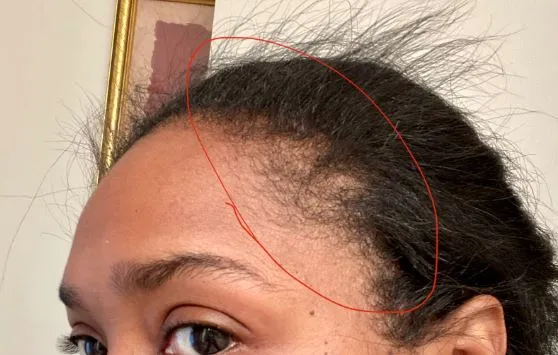
Can Hair Implants Restore Thinning or Lost Edges?
- Hair Implants Can Restore Edges
- Hair implants can restore thinning or recessed edges, but only if the hair loss is stable and the candidate is suitable.
- Edge transplantation works best when the hairline has been recessed for a long time or when traction-related loss has stopped progressing.
- Rebuilding a Natural Hairline
- Carefully placed grafts can recreate a softer, more balanced frame around the face.
- This helps restore definition and a natural-looking edge.
- Timing and Care Are Crucial
- Surgery is not effective if damage is ongoing, such as edges breaking from tight hairstyles, inflammation, or continued traction.
- Edges require special planning, conservative grafting, and realistic expectations for the best results.
Why Hair Transplant Edges Are Technically Challenging
Edge restoration is one of the most technically demanding forms of hair transplantation.
The grafts used at the hairline border are usually single-hair follicles, placed one by one to mimic natural baby hairs. Each graft must be implanted at an ultra-precise angle so the hair lies flat and follows the correct direction.
The problem is that the edges have almost no margin for error. Too much density, the wrong angle, or poor spacing can produce a harsh or artificial-looking hairline. This is why edge restoration depends more on surgical precision and restraint than on graft quantity.
Common Causes of Edge Hair Loss
Edge thinning can happen for several reasons, and understanding the cause is critical before surgery is considered.
Genetic recession is one of the most common causes, especially at the temples. Another frequent reason is traction alopecia, where repeated pulling from tight ponytails, braids, extensions, or styling tension damages follicles over time.
Chemical treatments, heat damage, and fragile hairline breakage can also weaken the edges. In some cases, patients seek edge correction after a previous poor hair transplant that left an unnatural or plug-like border.
Who Is a Good Candidate for an Edge Hair Transplant?
The best candidates for hair transplant edges are those with stable hair loss, strong donor hair quality, and realistic goals.
Good candidates usually have:
- A hairline that has not been actively changing
- Healthy donor supply at the back or sides
- Expectations focused on softness and natural framing, not maximum density
Poor candidates often include people with ongoing traction damage, diffuse thinning near the edges, or cosmetic goals that require an unnaturally low or dense hairline.
This is where the broader Hair Transplant Candidates pillar becomes essential. A full candidacy evaluation looks at hairline stability, donor reserves, and long-term planning — which is especially important for delicate edge work.
What Natural Edge Restoration Results Look Like
Natural edge restoration does not create a sharp border. Instead, the best results appear soft, irregular, and gradual.
A believable hairline has lighter density at the very front, with thicker coverage building behind it. There should be no straight wall of hair, no harsh corners, and no plug-like appearance.
When done correctly, edge restoration doesn’t look “transplanted.” It simply looks like a healthier version of your own natural hairline.
How Much Density Can You Really Expect at the Edges?
This is one of the most important expectation points.
Edges cannot safely be packed with the same density as the mid-scalp. The goal is not full thickness at the border — it is a subtle transition that looks natural up close and ages well over time.
Patients who expect extremely dense edges often end up dissatisfied, not because the transplant failed, but because the hairline was never meant to look like a solid line.
Edge restoration is about design, not density.
Why Overfilling Edges Leads to Unnatural Results
One of the biggest causes of bad hairline outcomes is overfilling.
When too many grafts are placed directly at the edge, the result can become straight, harsh, and visually artificial. Overfilled hairlines may also look worse with age, especially as surrounding hair continues to thin.
Experienced surgeons focus on restraint because subtlety creates the most natural long-term appearance.
Hair Transplant Edges vs Makeup, Fibers, and Styling
Not everyone needs surgery immediately.
Many people with mild edge thinning can benefit from temporary camouflage options like hair fibers, edge makeup, or styling changes. These solutions are non-invasive and may be enough while hair loss is still evolving.
Surgery makes sense when edge loss is permanent, stable, and no longer responsive to conservative measures.
Risks and Limitations of Edge Hair Transplant
Edge restoration comes with important limitations.
One risk is temporary post-operative shedding, sometimes called shock loss or telogen effluvium. This can make the edges appear thinner before regrowth begins.
There is also the possibility of lower graft survival if the area is poorly planned or if the transplant is performed too aggressively.
Because the edges are so visible, revision procedures may be needed if angles or density were incorrect the first time — another reason why careful candidate selection matters.
What to Remember: Edge Restoration Requires Precision, Not Density
Restoring hair transplant edges is possible, but it is never a simple fill-in procedure. The edges are the most delicate and failure-prone part of the hairline, which is why the best outcomes come from careful design, conservative grafting, and realistic expectations.
When done correctly, hair implants for edges can rebuild a soft, natural frame around the face — but only suitable candidates should proceed, and professional assessment is always the first step.