




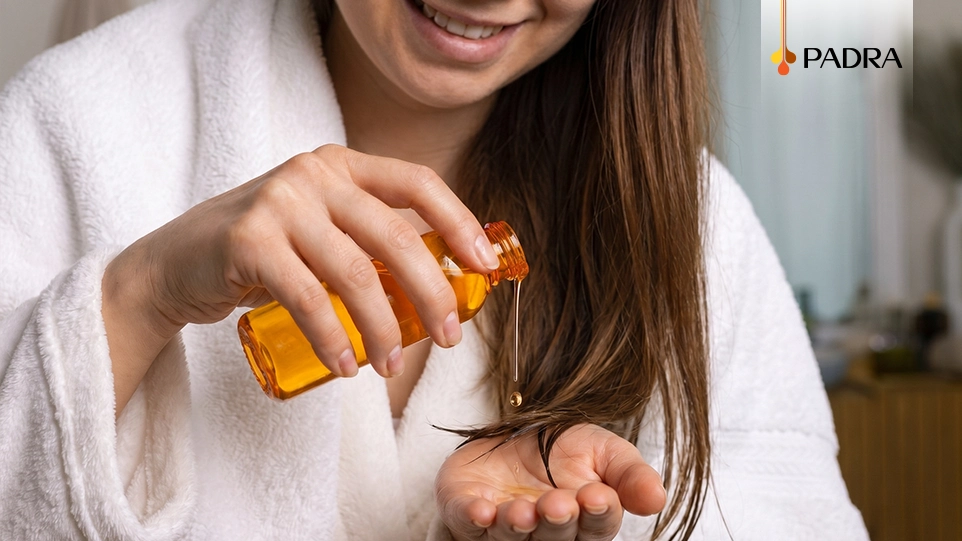
If you have spent any time scrolling through social media lately, you have probably seen dozens of videos claiming that a single bottle of oil can completely transform your hair overnight.
Everyone is searching for the best hair growth oil to fix thinning hair, soothe a dry scalp, or get back the thick volume they used to have. But before you buy out the entire hair care aisle, there is something important you need to understand first.
While certain oils are absolutely fantastic for your scalp and can make your strands look incredibly shiny and healthy, they do different things. Some are meant to coat the hair shaft to prevent breakage, while others work on the scalp environment itself. Oils alone cannot revive dead follicles or cure genetic balding, but they are great tools for improving hair quality when you choose the right one.
The best hair growth oil depends on yor scalp condition, hair type, and the reason your hair is thinning. Rosemary oil is one of the most discussed options for supporting hair growth, while castor, jojoba, argan, coconut, and pumpkin seed oils may help strengthen hair, reduce breakage, and support a healthier scalp.
Best Hair Growth Oils Compared
To give you a clear picture of how these popular options stack up against each other, here is a quick breakdown based on different hair and scalp needs:
| Oil | Best For | Main Benefit | Best Hair/Scalp Type |
| Rosemary oil | Hair growth support | May support scalp stimulation and growth environment | Thinning hair, normal scalp |
| Castor oil | Dry weak strands | Helps coat and protect hair from breakage | Dry or coarse hair |
| Argan oil | Frizz and damage | Adds shine and softness | Dry, damaged, curly hair |
| Coconut oil | Pre-wash protection | Helps reduce protein loss and dryness | Dry or damaged hair |
| Jojoba oil | Scalp balance | Lightweight oil similar to natural sebum | Oily or sensitive scalp |
| Pumpkin seed oil | Hair thickness support | May support hair health in selected thinning cases | Early thinning, scalp care routine |
Which Oil Is Best for Hair Growth and Thickness?
Look, when you are trying to figure out which oil is best for hair growth and thickness, you just have to look at your specific hair goals, seriously. Different oils serve completely different purposes since their molecular structure and nutrient profiles are not the same at all.
Like if your hair feels thin because the individual strands are snapping off constantly, you need a heavy, protective option like castor oil or coconut oil to coat the hair shaft.
On the other hand, if you want to focus entirely on the scalp to encourage a better environment for new hair to sprout, you should look toward essential oils or specific seed oils like rosemary and pumpkin seed oil. Choosing the wrong oil can leave your hair feeling weighed down and greasy, so matching the oil to your actual scalp type is crucial.
Rosemary Oil for Hair Growth
There is a huge amount of buzz around Rosemary oil for hair growth right now, and it is actually one of the few oils that has some interesting studies behind it. Many people compared it to mild topical treatments because it helps support scalp stimulation and improves blood circulation to the hair follicle.
But you have to be careful. Because rosemary oil is a highly concentrated essential oil, you can never apply it directly to your scalp without diluting it first.
You always need to mix a few drops into a carrier oil like jojoba or almond oil to avoid severe scalp irritation. Also, keep in mind that results vary wildly from person to person. What works beautifully for a widening part on one person might do very little for another if the underlying cause of their thinking is different.
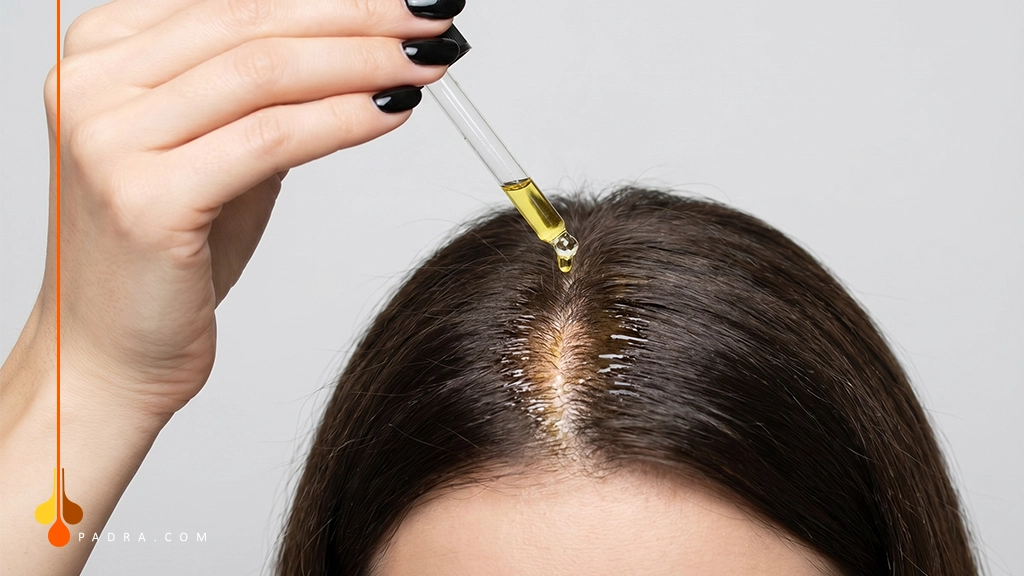
Argan Oil for Hair: When Is It Useful?
When it comes to treating dry and damaged hair that has been fried by heat tools or bleach, argan oil for hair is an absolute lifesaver. It is packed with fatty acids and vitamin E, which makes it perfect for taming intense frizz, adding a glossy shine, and softening coarse textures.
But it is important to manage your expectations here. Argan oil is primarily a cosmetic and protective treatment for the length of your hair.
It makes your hair look instantly healthier and fuller by smoothing out the rough cuticles, but it does not stimulate new hair growth or treat genetic baldness at the root level.
Hair Strengthening Oils vs Hair Growth Oils
It helps to think of hair oils in two distinct categories: shaft strengtheners and scalp supporters.
Hair Strengthening Oils: Oils like coconut, argan, and castor oil are excellent at penetrating or coating the hair shaft. They prevent water from lifting the cuticle, reduce friction between strands, and protect your hair from daily styling damage. This gives you thicker-looking hair by stopping breakage.
Oil for Hair Growth: Scalp oils like diluted rosemary, peppermint, or pumpkin seed oil focus entirely on the skin of your scalp. They work to reduce inflammation, clear away flakiness, and stimulate the area to help your hair stay in its active growth phase longer.
If your hair feels thinner despite using oils and strengthening products, the issue may be deeper than breakage. A consultation can help identify whether your follicles are still active.
Best Oil for Different Hair and Scalp Types
Using the wrong oil can cause a lot of issues, like clogged pores or a limp, flat hairstyle. Here is a quick guide to matching oils to your specific profile:
Fine hair: Look for an ultra-lightweight oil like jojoba or grapeseed oil that won’t weigh down your roots or make your hair look greasy.
Curly hair: Coarser, curly textures thrive with heavier oils like castor oil or argan oil to lock in deep moisture.
Dry scalp: Coconut oil or avocado oil can help soothe a flaky scalp and restore much-needed lipids.
Oily scalp: Stick to jojoba oil, it closely mimics your skin’s natural sebum, so it can actually help balance out excessive oil production.
Sensitive scalp: Avoid strong essential oils entirely and stick to plain, fragrance-free carrier oils.
Pre-wash oil: Coconut oil is excellent as a pre-shampoo oil treatment applied an hour before washing to protect weak strands from losing protein during cleansing.
Overnight oil: If you have an extremely dry scalp, a light application of jojoba or pumpkin seed oil overnight can work wonders, just be sure to wash it out thoroughly the next morning.
How to Use Hair Growth Oils Safely
Just because hair growth oils are completely natural does not mean they can’t cause reactions. If you use them incorrectly, you can end up with product buildup, a red, itchy scalp, or even increased shedding.
First, always perform a patch test on a small patch of skin on your arm before putting a new oil on your head.
Second, never apply undiluted essential oils directly to the skin. Third, avoid over-oiling your scalp; leaving heavy oils on your head for days can trap bacteria, worsen dandruff, and trigger scalp inflammation.
If you notice any burning, severe redness, or unexpected hair shedding, stop using the oil immediately.
Can Hair Oils Treat Hair Loss?
The short answer is no, oils alone cannot cure progressive or medical hair loss. When you are dealing with chronic conditions like male or female pattern baldness, alopecia, or an intensely inflamed scalp, home remedies simply won’t cut it.
Progressive hair loss usually requires targeted medical interventions that block specific hormones or medically stimulate blood flow. Treatments like minoxidil for hair loss or advanced PRP hair treatment are designed to work deep within the tissue where topical oils cannot reach.
In more advanced cases where the follicles have completely scarred or stopped producing hair altogether, a professional crown hair transplant options assessment or a customized mesotherapy for hair routine might be the only way to restore actual hair density.
Looking for a permanent solution? If your hair is continually thinning despite trying every oil on the market, it might be time to stop guessing.
When Should You See a Specialist?
It is perfectly normal to shed a few strands every day, but you should probably skip the DIY oile treatment and schedule a visit for a professional hair loss treatment consultation if you notice any of these red flags.
Ongoing, heavy shedding that lasts for more than a few weeks.
A widening part or a highly visible scalp that keeps getting more noticeable.
A thinning crown or a noticeably receding hairline.
Sudden, round patchy loss or bald spots that appear overnight.
An intensely itchy, red, flaky, or inflamed scalp that burns when you apply products.
Progressive thinning that happens even though you are eating well and taking care of your health, especially if you have a strong family history of hair loss.
Final Thoughts: What Is the Best Hair Growth Oil?
To wrap things up honestly: there is no single “magic” best hair growth oil that will work for absolutely everyone. The ideal option always depends on your specific hair type, your current scalp condition, and the real underlying reason behind why your hair is thinning.
If you just want to learn how to get thicker hair by protecting your current length from breakage, using argan, coconut, or castor oil is a wonderful, natural addition to your routine.
But if your hair loss is persistent, internal, or genetic, an oil won’t solve the problem. Don’t waste valuable time waiting for a miracle oil to work. If you have a serious concern, getting a proper diagnosis from a professional is the best way to save your hair.