






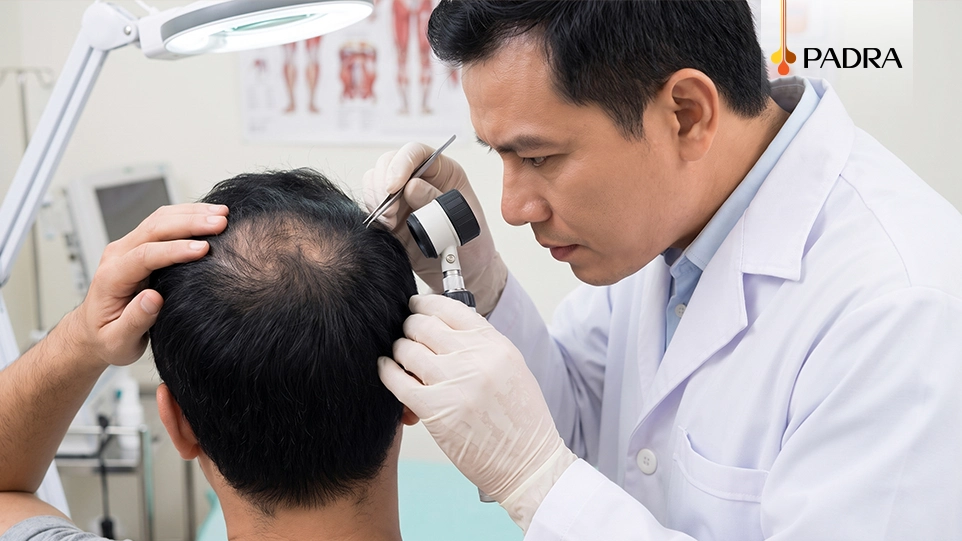
A visible bald spot can feel stressful, especially when it affects how your hair looks in photos, in bright lighting, or during daily styling. If you are looking for ways to quickly hide bald spot concerns, there are several options to make the area less noticeable. However, covering a bald spot is different from treating the cause of hair loss.
You can hide a bald spot using hairstyles, volumizing products, or hair fibers for instant coverage. For longer-term improvement, treatments such as minoxidil, PRP, hair transplant, or scalp micropigmentation may help depending on the cause of hair loss. Combining cosmetic tricks with medical evaluation provides the best results.
Immediate Cosmetic Solutions vs Long-Term Hair Loss Treatment
Immediate cosmetic solutions help improve appearance quickly. They can make a bald spot look smaller, softer, or less visible, but they do not stop hair loss. These options may include hairstyles, side parts, bangs, textured styling, hair fibers, concealer spray, root touch-up, and dry shampoo.
Long-term medical solutions focus on the cause of the bald spot. Depending on diagnosis, a professional hair loss treatment plan may include minoxidil, PRP therapy, mesotherapy, hair filler treatment, scalp micropigmentation, or hair transplant for suitable candidates.
Temporary coverage helps confidence. Treatment depends on diagnosis.
How to Hide a Bald Spot Quickly
If you need a fast solution, start with styling. Switch your part to move the volume over the visible area. A messy textured style can break up scalp visibility better than flat, sleek hair. Dry shampoo can add lift at the roots, while texturizing spray can create movement.
For small or moderately visible areas, hair fibers, concealer sprays, and root touch-up powders can reduce contrast between the scalp and surrounding hair. These options are useful for temporary bald spot cover, but they wash out and need reapplication.
Avoid slicked-back hairstyles if they expose the bald spot or create tension on fragile hair.
Best Hairstyles for Bald Spots
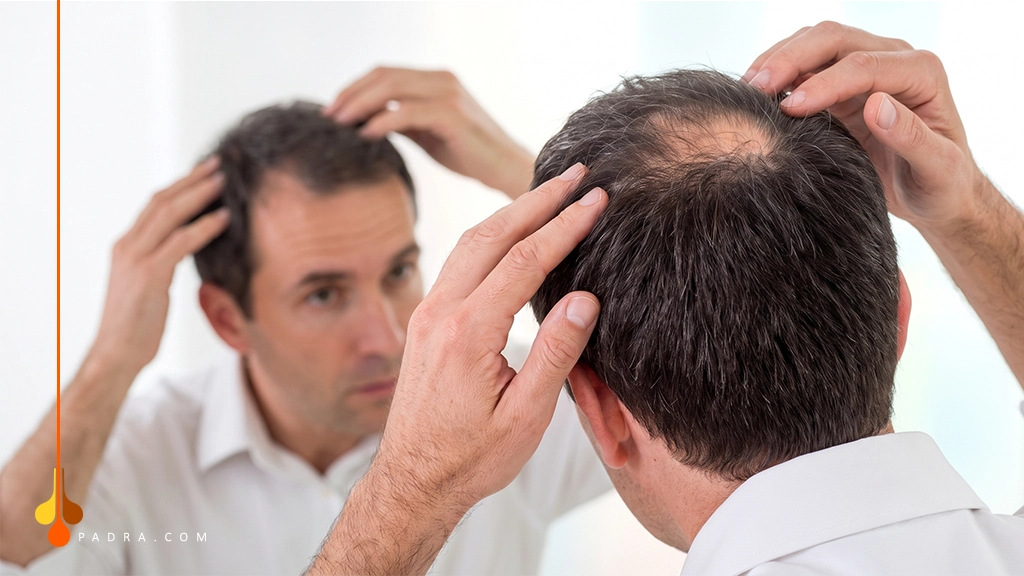
The best bald spot hairstyles depend on where the thinning appears. A crown bald spot needs different styling than a receding hairline or temple thinning.
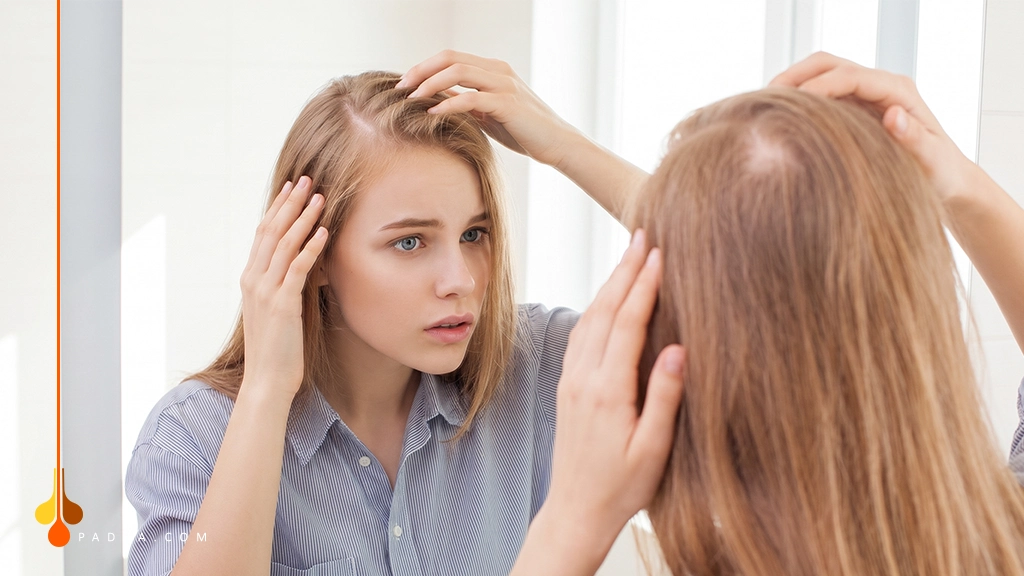
For women, helpful styles may include a side part, curtain bangs, soft layers, a textured bob or lob, loose waves, and volume at the crown. Avoid tight ponytails, slick buns, or pulled-back styles if they place tension on the scalp.
For men, options may include a textured crop, messy fringe, short sides with volume on top, a strategic side part, or a buzz cut when thinning is more advanced.
The goal is to reduce contrast and make the hair look balanced, not to pretend the issue does not exist.
Hair Fibers for Bald Spots
Hair fibers for bald spots can be useful when there is still some surrounding hair. The fibers cling to existing strands and make the area look denser by reducing visible scalp contrast.
They work best for thinning areas rather than completely smooth bald patches. Hair fibers are temporary, usually wash out, and do not regrow hair or stop hair loss.
For a natural look, use a matching shade and apply lightly. Too much product can create buildup or make the coverage obvious.
Hair Concealer for Bald Spots
Hair concealer for bald spots includes concealer sprays, root touch-up powders, and scalp shading products. These products color the scalp or roots to make the bald spot less visible.
They are usually best for small to moderate areas where the scalp shows through. Choose the color carefully and avoid applying too much product in one area.
Concealers are cosmetic camouflage. They can improve confidence for the day, but they do not treat androgenetic alopecia, female pattern hair loss, alopecia areata, or other causes of hair loss.
Styling Tricks for Bald Spots
Simple styling tricks for bald spots can make a noticeable difference. Blow-dry the roots upward to create lift. Use dry shampoo before styling to add texture. Try soft waves or curls to create movement around the thinning area.
A layered haircut can help distribute volume, while strategic part switching can hide areas that only show from one angle. Avoid heavy oils near the scalp, as they can flatten hair and make the bald spot more visible.
For crown thinning, keep volume around the top. For temple thinning or a receding hairline, softer front layers or fringe can reduce exposure.
Why Do Bald Spots Happen?
Bald spots can happen for many reasons. Some are related to androgenetic alopecia or female pattern hair loss, where thinning progresses gradually. Others may be caused by alopecia areata, which can create sudden, round, or patchy hair loss.
Traction alopecia can happen when tight hairstyles pull on the hair repeatedly. Stress-related shedding, postpartum shedding, scalp inflammation, nutritional deficiencies, hormonal imbalance, and chemical damage may also contribute.
Because causes vary, treatment should not be based only on appearance. The same cosmetic cover may hide two very different hair loss conditions.
When Temporary Bald Spot Cover Is Not Enough
Temporary bald spot cover may not be enough if the spot is growing, shedding is severe, the scalp is red or itchy, or the area looks smooth and patchy. You should also seek evaluation if there is crown thinning, a widening part, a family history of hair loss, or continued traction from tight hairstyles.
If a bald spot is progressing, cosmetic coverage can help emotionally, but medical evaluation helps identify what is happening underneath.
Tired of Covering a Bald Spot Every Day?
If you are tired of hiding a bald spot every day, our consultants can help identify the cause and guide you toward suitable options such as PRP hair treatment, mesotherapy for hair, hair filler treatment, or a hair transplant assessment.
Medical Treatments That May Help Bald Spots
Treatment depends on the diagnosis and whether follicles are still active.
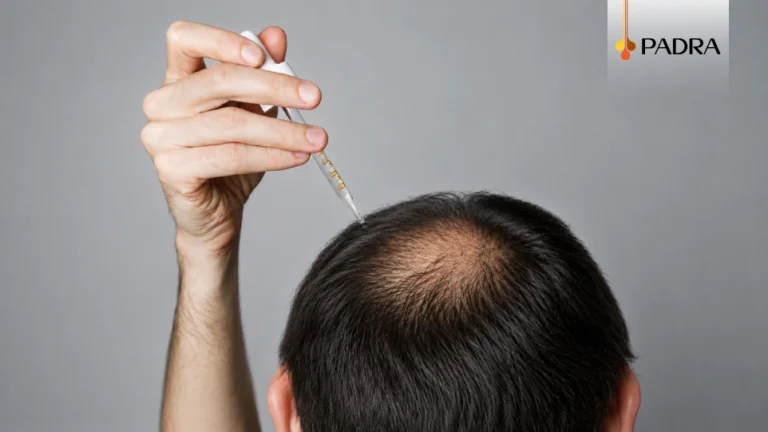
Minoxidil for bald spots may help some types of thinning or early hair loss, depending on the cause. It is not suitable for every bald spot, especially if follicles are no longer active.
PRP hair treatment may support weak follicles and improve hair quality in selected cases. It may be discussed when the goal is follicle support rather than instant coverage.
Mesotherapy for hair may be used as supportive care depending on scalp condition, hair quality, and diagnosis.
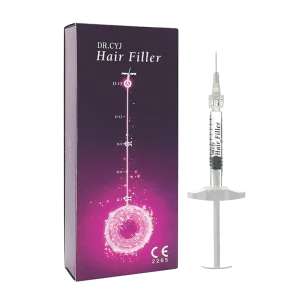
Hair filler treatment may also be discussed in some clinic protocols as a supportive option for selected hair loss cases.
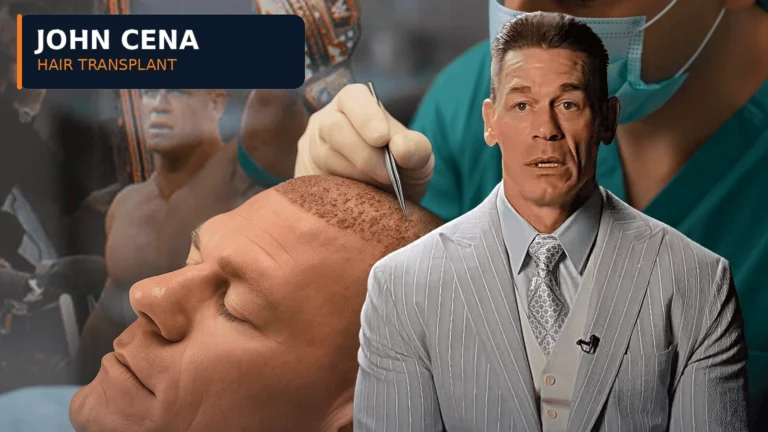
Hair transplant assessment may be considered when follicles in the bald area are no longer active, and the donor area is strong enough.
Scalp Micropigmentation for Bald Spots
Scalp micropigmentation for bald spots is a visual solution that reduces the contrast between the scalp and hair. It creates the appearance of density by adding pigment to the scalp.
SMP does not regrow hair, but it may help some bald spots look less obvious. Results depend on design, color matching, scalp condition, and maintenance.
It may be useful for selected cases, especially when the goal is visual improvement rather than biological hair regrowth.
Hair Transplant for Bald Spots
Hair transplant for bald spots may help restore coverage in suitable candidates. It is usually considered when follicles in the bald area are no longer active and the donor area has enough healthy hair.
This should not be presented as a guaranteed solution. Suitability depends on the cause of hair loss, donor hair quality, scalp condition, age, medical history, and hair loss stability.
In suitable candidates, a transplant may offer long-lasting coverage, but proper diagnosis and planning are essential.
How to Choose the Best Option for Your Bald Spot
| Situation | Best First Step |
| Small visible scalp area with surrounding hair | Hair fibers or concealer |
| Bald spot only visible with certain hairstyles | Part switching or styling changes |
| Bald spot is growing | Medical evaluation |
| Patchy smooth bald spot | Dermatologist evaluation |
| Crown thinning or family history | Hair loss treatment assessment |
| No active follicles in the area | Hair transplant or SMP evaluation |
Final Thoughts: What Is the Best Way to Hide a Bald Spot?
The best way to hide bald spot concerns depends on whether you need instant coverage or long-term improvement. Hair fibers, concealers, dry shampoo, volumizing products, and the right hairstyle can make a bald spot less visible quickly.
But if the bald spot is growing, sudden, patchy, or linked to shedding, diagnosis matters. Cosmetic solutions can support confidence, while the right treatment plan depends on the cause of hair loss.