




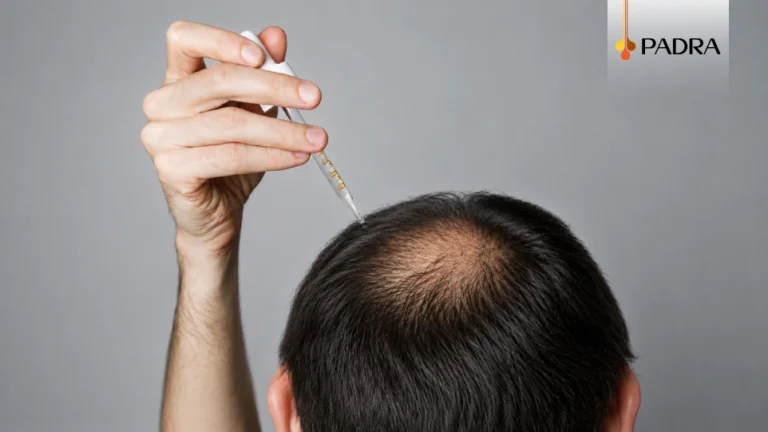


After a hair transplant, most patients naturally pay more attention to the newly implanted hair. But the donor area—the part of the scalp where follicles were taken from—is just as important in the recovery process.
The way the donor area heals can affect comfort, appearance, and even how natural the scalp looks after the procedure. Mild redness, small scabs, itching, tightness, and temporary sensitivity are usually part of normal donor area after hair transplant healing.
This guide explains what happens to the donor area after a hair transplant, whether donor area pain is normal, whether the donor area grows back, and how to care for the scalp during recovery.
What Happens to the Donor Area After a Hair Transplant?
The donor area is where healthy follicles are collected for transplantation. In FUE, individual follicular units are removed from the back and sides of the scalp. In FUT, a strip of scalp is removed and then closed with sutures.
After extraction, the scalp begins repairing thousands of tiny points. During the first few days, the area may look red, dotted, sensitive, or slightly swollen. This can feel worrying at first, but in most cases it is simply the skin beginning to heal.
As the days pass, small scabs form around the extraction points. These scabs should fall off naturally. The donor area usually starts looking cleaner within the first 1 to 2 weeks, especially as redness fades and the surrounding hair begins to grow.
Donor Area Healing Timeline
Healing is not instant, but it usually follows a predictable rhythm. The first few days are about protection. The second week is when the scalp starts looking calmer. After that, the area continues to blend gradually.
| Time After Hair Transplant | What Usually Happens |
| Days 1–3 | Redness, tightness, tenderness, and small extraction marks are common. |
| Days 4–7 | Tiny scabs form and itching may begin as the skin starts healing. |
| Days 7–14 | Scabs usually fall off naturally and redness begins to fade. |
| Weeks 2–4 | Most visible signs improve significantly, although mild sensitivity may remain. |
| After 1 month | The donor area usually looks mostly healed and begins blending better with surrounding hair. |
| Months 2–3 | Skin texture, sensitivity, and overall appearance continue to improve. |
Most patients see major visible improvement within 1 to 2 weeks, but complete blending can take longer depending on graft number, skin sensitivity, donor density, and aftercare.
Additional Considerations
Recovery timelines can vary based on individual factors such as age, overall health, and the specific surgical technique used. Always follow your surgeon’s personalized aftercare recommendations. While complications are rare, signs such as excessive redness, unusual pain, or signs of infection should be reported to your doctor immediately. Maintaining a healthy scalp with proper hygiene and protection from sun exposure can further improve the appearance of the donor area in the long run. By understanding each stage of the donor area recovery, you can better manage expectations and ensure that you take the necessary steps for a successful and smooth healing process.
You might also like: Body Hair Transplant (BHT)
Will the Donor Area Grow Back?
This is one of the biggest concerns patients have: does the donor area grow back after hair transplant?
In FUE procedures, the extracted follicles do not grow back in the exact same spots. Once a follicle is removed and transplanted, it does not regenerate in its original place.
But this does not mean the donor area should look empty. A well-planned extraction does not remove all follicles from one place. Instead, grafts are taken in a controlled and distributed pattern, so the remaining surrounding hair can continue growing and visually cover the tiny extraction points.
Think of it like removing selected trees from a dense forest. If the removal is balanced and careful, the forest still looks full from the outside. But if too much is taken from one section, the gap becomes visible.
That is why donor management matters. The final appearance depends not only on how many grafts are taken, but also on where they are taken from, how evenly they are distributed, and whether the safe donor zone is respected.

When Should You Be Concerned?
Most donor area symptoms are mild and temporary. Redness, small scabs, itching, tenderness, and slight numbness are usually normal during healing.
You should be more careful if symptoms become stronger instead of improving. Severe pain, increasing redness, swelling, pus, discharge, unusual odor, fever, heavy bleeding, or delayed wound healing can be signs that the donor area needs medical attention.
A simple rule is helpful: normal recovery should move in the direction of gradual improvement. If the donor area suddenly looks worse or feels more painful, contact the clinic.
If you’re unsure about healing, scarring, or thinning, our specialists can evaluate your recovery and guide you through the next steps.
You might also like: Hair Transplant Risks
Donor Area vs Safe Donor Zone
The donor area and the safe donor zone are related, but they are not exactly the same.
| Term | Meaning | Why It Matters |
| Donor Area | The broader region used for graft extraction, usually the back and sides of the scalp. | It provides the follicles needed for transplantation. |
| Safe Donor Zone | The most stable part of the donor area, where hair is usually more resistant to genetic hair loss. | Grafts from this zone are more likely to remain long-term. |
| Less Stable Donor Areas | Areas outside the safest zone that may thin over time. | Taking too many grafts from these areas can affect long-term results. |
A good hair transplant plan does not simply aim to take as many grafts as possible. It protects the donor area for the future, especially in patients who may need additional treatment later.
How to Care for the Donor Area After Hair Transplant
Donor area care should be gentle, consistent, and simple. The scalp does not need aggressive cleaning or extra products; it needs time, protection, and the exact instructions provided by the clinic.
Washing should be done carefully, without rubbing or scratching. Scabs should be allowed to fall off naturally. During the early stage, the scalp should be protected from direct sun exposure, heavy sweating, and unnecessary friction.
Patients should also avoid applying random oils, alcohol-based products, or home remedies unless approved by the doctor. If medication, spray, shampoo, or lotion is prescribed, it should be used exactly as instructed.
Good aftercare does not speed up healing overnight, but it helps the donor area heal more safely and reduces the risk of irritation, infection, or visible marks.
Potential Complications in the Donor Area
While most patients experience a smooth recovery following a hair transplant, understanding potential complications can help you manage your healing process effectively. With proper post-operative care, complications are rare, but here are some common issues and tips to prevent them:
Pimples and Minor Bumps
Small pimples or bumps may appear in the donor area due to blocked hair follicles or a mild inflammatory reaction.
Prevention and Care
- Cleanse the area gently with a mild shampoo as recommended by your surgeon.
- Avoid scratching or irritating the area to prevent further inflammation.
Scarring
Although modern hair transplant techniques minimize scarring, some patients may still notice marks during the healing process.
Prevention and Care
- Use silicone gel sheets or scar creams if advised by your doctor to help reduce scar visibility.
- Protect the area from excessive sun exposure, which can darken scars and impede healing.
Swelling
Mild swelling is a common response immediately following the procedure and usually subsides within a few days.
Prevention and Care
- Apply cold compresses during the first few days to reduce swelling.
- Keep your head elevated while sleeping to help minimize fluid retention.
Infection
Infections are rare when proper hygiene is maintained but can occur if the donor area isn’t kept clean.
Prevention and Care
- Follow your surgeon’s post-operative instructions meticulously.
- Ensure the donor area remains clean and dry to lower the risk of infection.
Burning Sensation
A temporary burning sensation may occur as part of the healing process. However, it should be addressed promptly if the sensation persists or worsens.
Prevention and Care
- Use soothing creams as recommended by your doctor to alleviate discomfort.
- If you experience ongoing or severe burning, consult your surgeon immediately.
By closely following these care strategies and keeping in touch with your healthcare provider, you can significantly reduce the risk of complications and ensure a smoother recovery for your donor area.
Can the Donor Area Look Thin?
The donor area may look slightly thinner after FUE, especially in the early healing stage. Sometimes this is temporary because the hair has been shaved, the scalp is red, or small scabs are still visible.
In other cases, thinning may be more noticeable if too many grafts were extracted, the patient already had low donor density, or the extraction pattern was not evenly planned.
A natural-looking donor area depends on balance. The goal is to take enough grafts to improve the recipient area while leaving the donor region looking even, healthy, and suitable for future needs.
What Causes a Patchy Donor Area?
A patchy donor area usually happens when extraction is too aggressive or uneven. Instead of blending softly, the area may look irregular, thin, or “moth-eaten.”
This can happen if too many grafts are removed from a small section, if the donor area was weak from the beginning, or if follicles were taken outside the stable donor zone. In some patients, temporary shock loss or redness can also make the donor area look patchy during early recovery.
The difference is time. Temporary patchiness often improves as hair grows and redness fades. Overharvesting, however, may create a longer-lasting change. This is why careful planning before surgery is just as important as aftercare after surgery.
How to Care for the Donor Area After Hair Transplant
Donor area care should be gentle, consistent, and simple. The scalp does not need aggressive cleaning or extra products; it needs time, protection, and the exact instructions provided by the clinic.
Washing should be done carefully, without rubbing or scratching. Scabs should be allowed to fall off naturally. During the early stage, the scalp should be protected from direct sun exposure, heavy sweating, and unnecessary friction.
Patients should also avoid applying random oils, alcohol-based products, or home remedies unless approved by the doctor. If medication, spray, shampoo, or lotion is prescribed, it should be used exactly as instructed.
Good aftercare does not speed up healing overnight, but it helps the donor area heal more safely and reduces the risk of irritation, infection, or visible marks.

When to Seek Professional Help
While most patients experience a smooth recovery, it’s important to recognize signs that may require professional attention:
- If the pain or redness in the donor area doesn’t subside after a few days or worsens.
- Look out for excessive swelling, pus, or a foul odor, which could indicate an infection.
- If scarring seems excessive or you notice abnormal skin changes around the donor area.
- A burning sensation or discomfort that persists beyond the expected healing period.
- Any unexpected symptoms or complications should be promptly discussed with your surgeon to ensure proper treatment and adjustment of your aftercare routine.
Not sure if your donor area is healing normally?
Schedule a consultation today.
Long-Term Donor Area Results
In a well-planned FUE procedure, the donor area usually heals with tiny dot-like marks that are hard to notice once the surrounding hair grows. In FUT, the donor area usually heals with a linear scar that can often be hidden under longer hair.
The long-term result depends on donor density, extraction pattern, number of grafts, surgical technique, haircut length, and how well the scalp heals. No surgical procedure is completely without trace, but careful donor management can make the donor area look natural and balanced.
The best result is not only a fuller recipient area. It is a transplant where the donor area still looks healthy, even, and preserved.
Conclusion
The donor area is the foundation of a successful hair transplant. It supplies the grafts, supports the final result, and needs careful protection during both planning and recovery.
Most donor area after hair transplant healing includes temporary redness, scabs, itching, mild discomfort, and sometimes numbness. These symptoms usually improve within 1 to 2 weeks, while the area continues to blend over the following weeks.
Extracted follicles do not grow back in the same spots, but with proper extraction and donor management, the area should not look empty. If pain, redness, swelling, or patchiness seems unusual, a follow-up with the clinic is the safest way to protect your result.
At Padra, donor area management is treated as a key part of hair transplant planning, helping patients achieve natural-looking results while preserving the donor region for long-term needs.