




FUT Hair Transplants and Their Declining Popularity
Hair loss can be a challenging journey, but advancements in hair restoration techniques have made effective solutions more accessible than ever. One such method is the FUT (Follicular Unit Transplantation), commonly known as the strip hair transplant method.
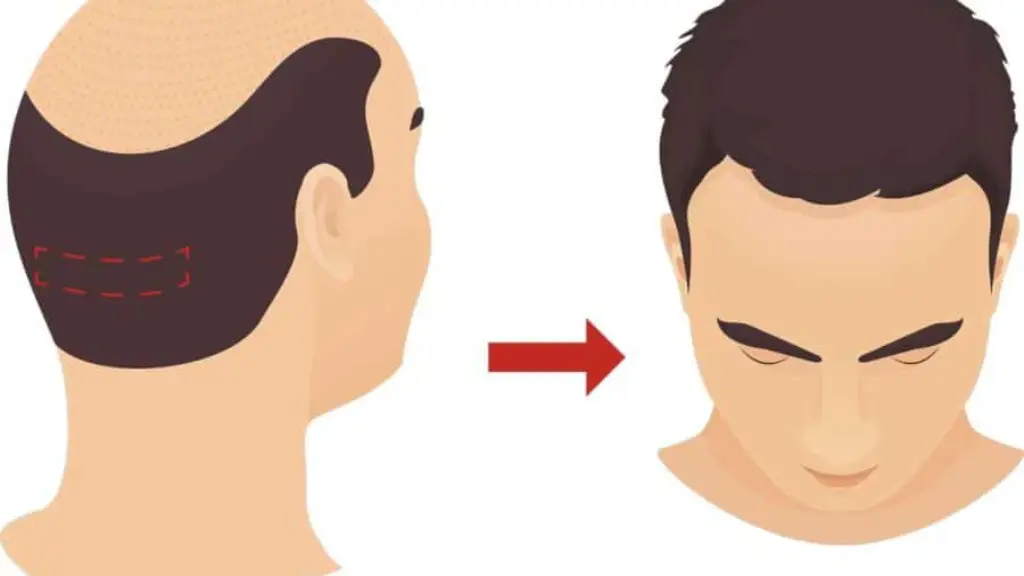
FUT involves removing a thin strip of scalp from the donor area, usually the back of the head, and dissecting it into individual follicular units for transplantation. This method has been widely used for years and is still preferred by patients requiring a high volume of grafts in one session.
Compared to newer techniques like FUE (Follicular Unit Extraction) and DHI (Direct Hair Implantation), FUT remains a practical choice for certain cases, despite its more invasive nature.
What Is FUT Hair Transplant?
The Step-by-Step Process
The FUT procedure follows a structured series of steps designed to maximize graft yield:
- Preparation and Anesthesia: The donor area is shaved and numbed using local anesthesia to ensure a pain-free experience.
- Strip Harvesting: A narrow strip of scalp is surgically removed from the donor area. The size of the strip depends on the number of grafts required.
- Graft Preparation: Under a microscope, the strip is meticulously divided into individual follicular units, each containing one to four hairs. This ensures high precision and preserves follicle health.
- Recipient Site Creation: Tiny incisions are made in the recipient area to accommodate the grafts. The incisions are carefully designed to mimic the natural hair growth pattern.
- Graft Transplantation: Each follicular unit is implanted into the prepared sites, ensuring natural-looking density and coverage.
The entire process typically takes 6–8 hours, depending on the number of grafts required.
The Advantages of FUT
Despite being a traditional method, FUT offers unique benefits that make it a compelling option:
- Higher Graft Yield: FUT allows for the extraction of large quantities of grafts in a single session, making it ideal for patients with extensive hair loss.
- Cost-Effective: FUT is often more affordable than advanced methods like FUE or DHI, delivering excellent results at a lower price point.
- Efficient Use of Donor Area: By harvesting a strip of scalp, FUT ensures optimal use of the donor area, even in cases where the available donor hair is limited.
- Long-Term Results: The transplanted hair grows naturally and lasts a lifetime with proper care.
If you need large-scale hair restoration on a budget, FUT remains a reliable and effective option.
Who Might Need FUT?
FUT is particularly suited for:
- Patients with Severe Hair Loss: Those requiring maximum graft volume to cover large bald areas.
- Limited Donor Hair Density: FUT makes efficient use of the donor area, even in challenging cases.
- Budget-Conscious Patients: For those looking for effective results without the higher costs of FUE or DHI.
A thorough consultation with a specialist can help determine if FUT aligns with your specific hair restoration needs.
Why FUT is Becoming Less Popular
While FUT is effective, it’s becoming less common due to the rise of modern techniques:
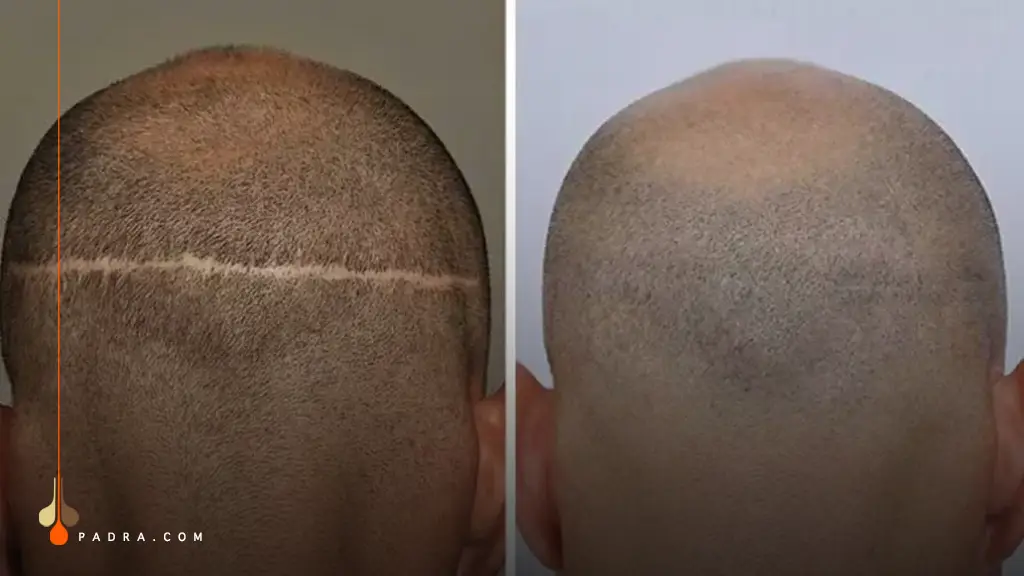
- Scarring: FUT leaves a linear scar in the donor area, which can be visible with short hairstyles.
- Longer Recovery: The surgical incision takes weeks to heal, whereas minimally invasive methods like FUE and DHI offer quicker recovery times.
- Patient Preference: Many patients prefer the discreet and low-downtime features of FUE and DHI, which do not involve visible scarring.
As technology evolves, patients are increasingly gravitating toward methods that combine comfort and aesthetic results.
Comparing FUT, FUE, and DHI
When considering a hair transplant, understanding the differences between FUT, FUE, and DHI is essential:
| Feature | FUT | FUE | DHI |
| Scarring | Linear scar in donor area | Minimal | No visible scarring |
| Recovery Time | Longer (~2–4 weeks) | Short (~1 week) | Short (~1 week) |
| Precision | Moderate | High | Very High |
| Ideal Candidate | Severe hair loss | Moderate hair loss | Targeted small areas |
| Cost | More affordable | Moderately expensive | Higher cost |
Key Takeaway: FUT is best for extensive hair loss but is less appealing for those prioritizing aesthetics or shorter recovery times.
How to Choose the Right Hair Transplant Method
Choosing between FUT, FUE, and DHI depends on several factors:
- Extent of Hair Loss: For significant bald areas, FUT may be more efficient due to its higher graft yield.
- Budget: FUT is often the most cost-effective option, while FUE and DHI are pricier but offer added convenience and aesthetic benefits.
- Lifestyle and Goals: If avoiding scarring and minimizing downtime are priorities, FUE or DHI may be the better choice.
A consultation with a hair restoration specialist can provide tailored recommendations based on your needs.
The Risks and Side Effects of FUT
Like all surgical procedures, FUT has potential risks, including:
- Scarring: A linear scar is an inevitable outcome of the strip harvesting method.
- Infection: Proper aftercare is essential to prevent complications.
- Prolonged Recovery: The surgical incision may require several weeks to fully heal.
- Discomfort: Patients may experience mild pain or tightness in the donor area during recovery.
While FUT is effective, advancements in modern hair transplant methods offer safer, less invasive alternatives for many patients.
Final Thoughts
FUT hair transplant remains a viable solution for extensive hair loss, offering cost-effective results and high graft yields. However, as techniques like FUE and DHI continue to evolve, patients now have more options to tailor their hair restoration journey to their specific needs.
Take the Next Step!
Schedule a consultation with our experts today to determine the best method for your hair restoration goals!