
- Afro Hair Transplant for Black Men: A Guide to Natural Results
Learn how Afro-textured hair transplants deliver natural, voluminous results, tailored for Black men. - Specialized Techniques
FUE and FUT methods customized for Afro hair’s unique “C-curve” follicles. - Natural Hairline Design
Creating structured, age-appropriate hairlines that match facial features. - Key Benefits
Requires fewer grafts for fuller appearance due to thick, coiled hair. - Healing & Scarring
Tips to avoid keloid scars and ensure a smooth recovery.
For a long time, there was a huge myth floating around that “can black people get hair transplants?” was a question with a “no” or “maybe” answer. Some people thought the hair was too curly or the skin was too prone to scarring. Now, we know that is completely false.
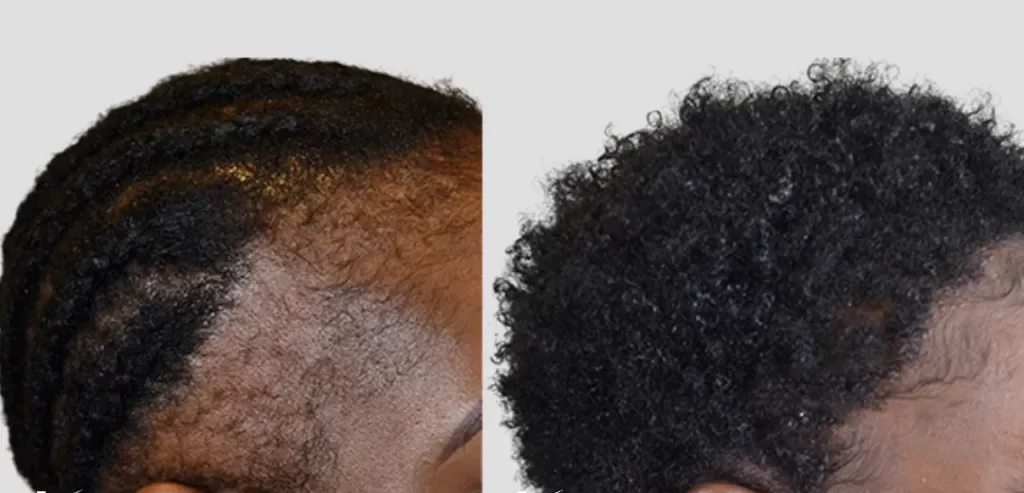
A black man hair transplant is not only possible; it often produces some of the most striking results in the industry. However, afro hair transplant surgery is a specialized field. You can’t just walk into any clinic and expect them to understand the unique “C-curve” of your follicles. If you are looking for an African American hair transplant, you need a team that respects the texture and the science behind your hair.
Why Afro Hair is a “Special Case” in Surgery
The biggest thing to understand about hair transplant afro hair is what’s happening beneath the surface. With straight hair, the follicle goes straight down into the scalp. With Afro-textured hair, the follicle is actually curved—it looks a bit like a hook or a “C” shape under the skin.
Because of this curve, a standard FUE (Follicular Unit Extraction) tool can accidentally cut the hair root if the surgeon isn’t careful. This is called “transection.” In an African American hair transplant, the transection rate can be as high as 20-30% in inexperienced hands, compared to less than 5% with a specialist.

Why Texture Matters for Coverage
One of the best parts about hair transplant black male procedures is the volume. Because Afro hair is coiled and thick, it provides much better “visual coverage” than straight hair.
- Density: You might need fewer grafts to look “full” because the curls occupy more space.
- Strategy: We focus on hair transplant density by placing grafts in a way that maximizes the natural bounce of the curl.
Afro Hair Transplant Specialists
Get natural results with a team experienced in Afro-textured hair.
The Secret to a Natural Hairline Transplant for Black Males
Designing an African American hairline restoration is an art form. Most men with straight hair want a slightly rounded, soft hairline. However, for a hairline transplant black male, many patients prefer a more “structured” or “squared-off” look that mimics a fresh line-up from the barber.
But there is a catch: if the line is too straight, it looks like a hairpiece. A skilled surgeon will:
- Follow the natural bone structure of your forehead.
- Use “single hair grafts” at the very front to avoid a “doll hair” look.
- Ensure the hairline transplant before and after looks age-appropriate so it still looks good 20 years from now.
Expert Tip: Don’t just ask for a straight line. Ask for a hairline that matches your facial proportions. See hair transplant results for patients with hair texture similar to yours to see the difference.
Best Techniques for Black Men Hair Transplant
When researching black hair transplant options, you will likely hear about FUE and FUT.
- Modified FUE: This is the gold standard for black men’s hair transplant. The surgeon uses a slightly larger, specialized “punch” tool that accounts for the curve of the hair follicle.
- FUT (Strip Method): While less common now, FUT is sometimes better for patients with very tight coils who need a high number of grafts because it keeps the follicles together in a strip, reducing the risk of damage.
Regardless of the method, the most important factor is the surgeon’s experience with Afro-textured hair. A clinic that mostly does straight hair might use tools that are too small or sharp, leading to poor growth.
What to Expect: Black Men Hair Transplant Before and After
If you are looking at afro hair transplant before and after photos, pay attention to the timeline. Your journey will look something like this:
- Weeks 1-3: Tiny scabs will form and fall off. You’ll see the new shape of your hairline.
- Month 2: The “Shedding Phase.” Don’t panic! The hairs fall out so the roots can rest.
- Months 6-9: This is when the magic happens. The curls start to pop through.
- Month 12: Your final result. This is usually when before and after hair transplant black man photos are taken for the clinic’s portfolio.
Healing and Preventing Scars (Keloids)
One concern many guys have with a black hair transplant is scarring. People with darker skin tones are sometimes more prone to keloids (raised scars).
- The Risk: About 5-10% of the population with African heritage may have a predisposition to keloid scarring.
- The Solution: A professional clinic will do a “test patch” or a thorough skin history check. By using smaller punches and leaving enough space between extractions, we protect the “donor area” at the back of your head from looking thin or scarred.
Comparison Point: If you are also researching for a partner or friend, note that a black female hair transplant often focuses more on “traction alopecia” (hair loss from tight braids) rather than male pattern baldness, but the extraction techniques remain the same.
Common Mistakes to Avoid
Many “hair transplant mills” offer cheap prices but don’t have specialists. Here is what can go wrong:
- Over-harvesting: Taking too much hair from the back, leaving you with bald patches.
- Wrong Angle: Planting the hair in the wrong direction so it doesn’t grow with your natural curl.
- Standard Tools: Using a “one-size-fits-all” approach that kills the follicle during extraction.
Choosing the Right Path
A black man hair transplant is a life-changing investment, but only if it’s done with the right technical skill. It isn’t just about moving hair; it’s about protecting the donor area and designing a hairline that feels like you.
When looking at black men’s hair transplant before and after results, look for patients who have a similar hair curl and thickness to yours. This is the best way to set realistic expectations for your own transformation.
Key Statistics for Afro-Hair Transplants
- Graft Survival Rate: In specialized clinics, the survival rate for Afro-textured grafts is now 94-96%, nearly identical to straight hair.
- Typical Graft Count: Most Black men require 2,500 to 3,500 grafts for a significant hairline and mid-scalp restoration.
- Procedure Time: Because of the delicate nature of the curved follicle, these procedures take roughly 15-20% longer than straight hair transplants.