
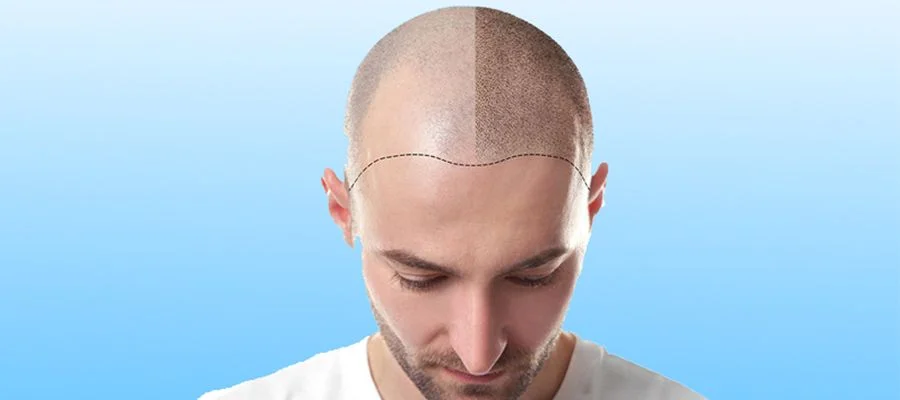
- Using Beard Hair for Hair Transplant: Can facial hair solve baldness? Beard hair can be used when scalp hair is insufficient.
- Beard-to-Scalp Transplants: Hair from chin/neck is moved to balding areas.
- Ideal Use: Great for advanced baldness or adding density.
- Limitations: Coarse texture and color mismatch can affect natural look.
- Process: Modified FUE with careful extraction and placement.
- FAQ: Minimal scarring, beard continues to grow, quick recovery for beard area.
When you start losing a lot of hair, your first worry is usually: “Do I have enough hair left on the back of my head to fix this?” For many men with advanced hair loss, the answer is often a tough “no.” This is where the idea of a beard hair for hair transplant comes into play.
It sounds like a perfect fix-most men have plenty of thick beard hair to spare. But using facial hair on your head isn’t as simple as moving it from point A to point B. It requires a specific plan and a realistic look at how that hair behaves.
What Is a Beard-to-Scalp Hair Transplant?
A beard to scalp hair transplant is a procedure where a surgeon takes hair follicles from the chin or neck area and moves them to the balding areas of the head.
While a standard transplant uses the “permanent zone” at the back of your head, this method uses the face as a secondary source. The main difference lies in the nature of the hair itself. Scalp hair usually grows in groups of 2, 3, or 4 hairs, while beard hair almost always grows as single, thick strands.
Can Beard Hair Be Used as a Donor Area?
The short answer is yes, but it’s rarely the first choice. Surgeons view the hair transplant donor area beard as a “backup source.”
If you have a healthy supply of hair on the back of your head, a doctor will always use that first because it looks and feels more natural. However, if your scalp donor area is thin or already over-harvested from previous surgeries, the beard becomes an excellent alternative to get more coverage.

Why It’s Not the Primary Choice
Scalp hair is designed to be on your head. It’s softer and moves more naturally. Beard hair is tougher. Because of this, surgeons only “dip into” the beard supply when the scalp donor area just isn’t enough to get the job done.
Check Donor Potential
Is your beard thick enough for a transplant? Find out if you have the right hair type for success.
How Beard Hair Differs from Scalp Hair
You’ve probably noticed that your beard feels different than the hair on your head. There are three big reasons for this:
- Thickness and Caliber: Beard hair is usually much thicker and coarser than the hair on your head.
- Growth Cycle Variations: Beard hair stays in the “growing phase” for a long time but has a different rhythm than scalp hair.
- Texture and Curl Pattern: It tends to be wiry or curly, which can be a double-edged sword when trying to blend it in.
When Is Beard Hair Used in Hair Transplant Surgery?
A beard to head transplant isn’t for everyone. It is mostly used in specific scenarios:
- Advanced Baldness: When the scalp doesn’t have enough grafts to cover a large bald area.
- Repair Cases: To hide scars from old transplants or to fix a depleted donor area after FUE.
- Adding Density: It works great for adding “bulk” to the middle or back of the head.
Note: Beard hair is almost never used for the frontal hairline. Because it is so thick, putting it right at the front would look unnatural.
The Beard to Head Hair Transplant Process
The process uses a modified version of FUE (Follicular Unit Extraction).
- Extraction: The surgeon numbs the neck and jawline. Using a very fine tool, they extract individual follicles. Since the skin on the neck moves more than the scalp, this takes a high level of skill to avoid damaging the roots.
- Session Planning: Surgeons usually limit how much they take at once to ensure the beard doesn’t look patchy later.
- Placement: Once the hairs are out, they are cleaned and prepared just like regular grafts before being placed into the scalp.
Design Your Look
Strategic placement ensures a natural result. See how we blend beard and scalp hair seamlessly.
Explore Placement Strategies
Beard to Scalp Hair Transplant Before and After: What Results Show
When you look at beard to scalp hair transplant before and after photos, the most striking thing is the “fullness.” Because beard hair is thick, one beard graft can provide as much visual coverage as two fine scalp hairs.
If you are interested in how beard hair restoration can improve facial hair density and shape, you can explore beard transplant before and after results to see examples of natural-looking outcomes.
However, the results won’t look exactly like a full head of soft hair. Successful results depend entirely on how well the surgeon mixes these thick hairs in with your remaining thin hairs. If you look , you’ll see that adding beard hair can significantly boost your total numbers.
Best Areas of the Scalp for Beard Hair Placement
Strategic placement is the secret. The best spots for beard hair are:
- The Crown: The thick texture helps cover the “swirl” area very well.
- The Mid-Scalp: It provides great density behind the hairline.
- Filling Gaps: It’s perfect for “filling in” between existing hairs to make everything look thicker.
Risks and Limitations of Using Beard Hair
It isn’t a miracle cure. There are real risks to consider:
- Scarring: While FUE leaves tiny dots, over-harvesting the neck can leave visible marks.
- Color Mismatch: Beard hair is often a different shade (sometimes more grey or red) than head hair.
- Texture Mismatch: If not blended well, you might feel “wire-like” hairs sticking out.
Common Mistakes in Beard Hair Transplants
The biggest mistake is using beard hair as the primary donor. This often leads to that look unnatural. Another common error is an inexperienced extraction that leaves the beard area looking “moth-eaten.”
Is Beard Hair Right for You?
A beard hair for hair transplant is a fantastic “Plan B,” but it’s rarely “Plan A.” It is a supplement that can turn a thin result into a full one, especially for those who thought they were out of options.
The key is balance. If you have realistic expectations and a surgeon who knows how to blend textures, your beard could be the secret weapon for your hair restoration.