




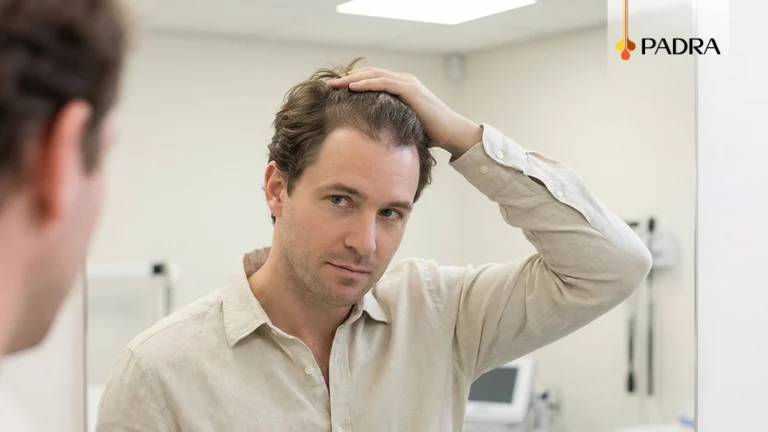


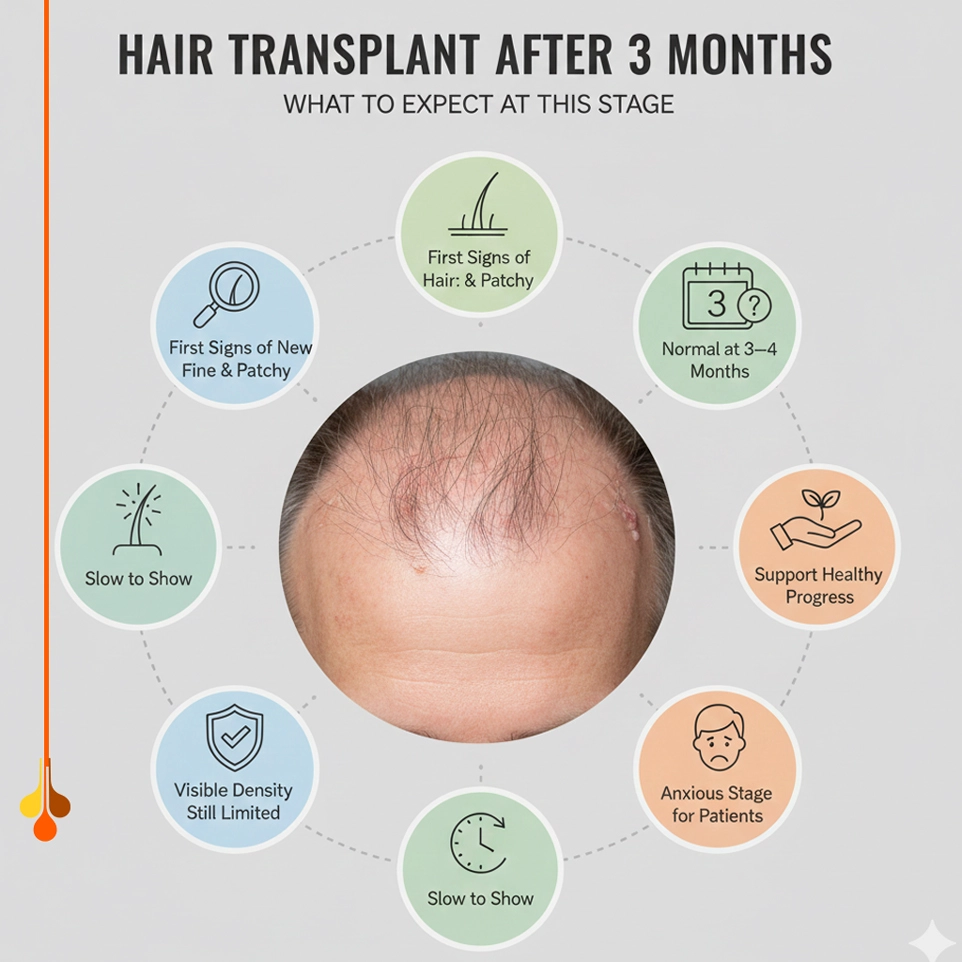
If you’re reading this because you’re worried, you’re not alone. Hair transplant after 3 months is one of the most anxious stages for patients. At this point many people expect big changes, but reality is usually quieter: the first signs of new hair are often fine, patchy, or slow to show. This page walks you through what’s normal at 3–4 months, why visible density may still be limited, and practical steps you can take to support healthy progress.
Is 3 Months After Hair Transplant an Important Milestone?
Yes, but not because everything should look finished. The three-month mark matters because it’s when many transplanted follicles leave the resting phase and start the slow work of producing new hair. You may see tiny hairs coming in, or just fuzz. That mismatch between what you feel inside (expecting a big change) and what you see (little change) causes most worry.
Key idea: follicle activity (what the grafts are doing under the skin) happens before visible thickness. So, growth is often happening even if it looks thin right now.
What Does Hair Typically Look Like at 3 Months Post Hair Transplant?
- Early regrowth signs: short, soft hairs that may grow then shed again. This is normal.
- Patchy or uneven appearance: some areas can fill faster than others — that’s normal too.
- Texture differences: new hair may be finer or curl differently from your existing hair. Over time texture often evens out.
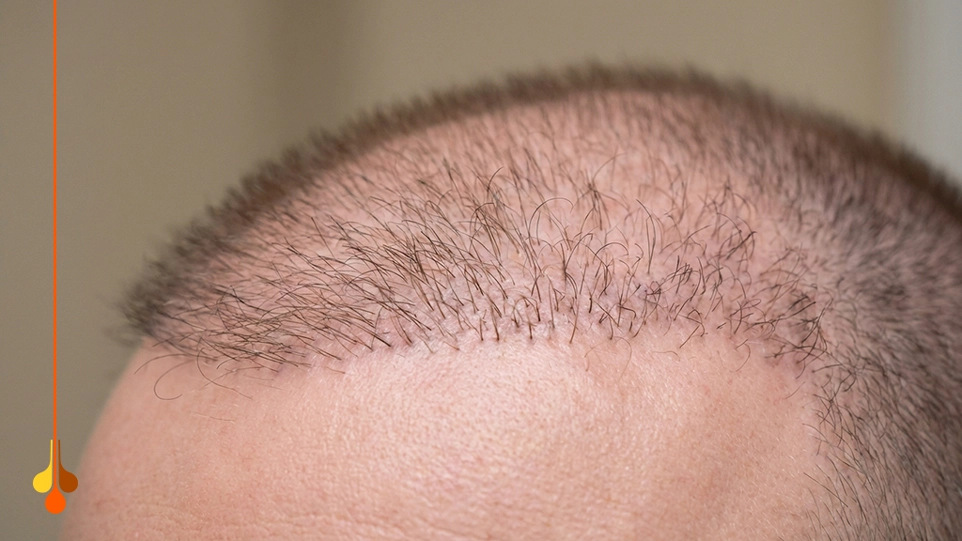
If you’ve searched for 3 months after hair transplant photos you’ll notice huge variation. That’s because everyone’s hair type, graft count, and healing timeline differ.
FUE at 3 Months: What’s Normal?
When people ask about FUE 3 months, they mean both donor and recipient areas.
Recipient area: tiny hairs, short stubble, some gaps. Don’t judge the final density yet.
Donor area healing: most scabs and redness should be gone; tiny white dot marks or faint linear marks (depending on technique) may still be visible.
Scalp sensitivity or residual redness: mild sensitivity or light pinkness can remain, especially in those with fair skin.
If you’re thinking “FUE 3 months recovery,” remember recovery is a process — it’s normal for things to look different day-to-day.
3 Months After Hair Transplant Photos — How to Interpret Them
Online images are helpful, but tricky. Keep these points in mind when you compare:
- Lighting and angles can make small gains look dramatic — or hide progress.
- Hair length and styling change perception: Longer surrounding hair can camouflage thin spots.
- Individual growth variability: Some people show clear new hair by 3 months; others show more noticeable gains at month 4–6.
- “Before” photo timing: a shaved or very short “before” can make regrowth look better than it is.
If you want, send us your 3 months post hair transplant photos for a calm, clinic-style review — not to alarm you, but to assess whether you’re on a typical track.
Hair Transplant 3 Months Post Op vs 4 Months
Between months 3 and 4, you often see the first real shift:
Month 3: fine hair, patchy coverage, slow visible gains.
Month 4: more hairs thicke,n and coverage starts to feel less patchy; many patients say they finally notice a visible change.
So, when people ask for a 4 months or 4 month hair transplant results, they’re often seeing the stage where growth becomes easier to see. But remember, full density can still be many months away.
Common Concerns at 3–4 Months
- “My hair is still thin.” Normal. New follicles are building shafts slowly.
- “Density looks uneven.” Normal. Different follicles wake at different times.
- “Growth feels slower than expected.” Normal and common — patience is the best medicine here.
If anything feels painful, overly red, or if you notice large areas with no signs of regrowth at all, contact your clinic.
What Helps Support Growth During This Stage
Follow aftercare instructions from your surgeon — that’s the single best step.
Gentle hair care habits: soft shampooing, no heavy rubbing, avoid tight hats for long periods.
Healthy lifestyle: sleep, balanced diet, and avoiding smoking help blood flow and healing.
Avoid premature judgment: don’t shave the area or change major hair routines just to “test” growth — let the grafts settle.
Topical or medical aids: some clinics recommend treatments like minoxidil or PRP support; discuss these with your surgeon — don’t start new meds without clinic input.
When Should You Contact the Clinic?
Reach out if you notice:
- Increasing pain, warmth, swelling, or pus in grafted or donor areas.
- A clear infection or spreading redness.
- Sudden hair loss beyond normal shedding or large patches with no tiny hairs at all (after a proper check).
- If you simply need reassurance, clinics expect follow-up questions and can often tell you if you’re on track.
A quick photo sent to your clinic is often enough for reassurance. That’s different from a concern that needs an in-person check — both are valid reasons to contact them.
Take the next step toward confidence Book your check-in today
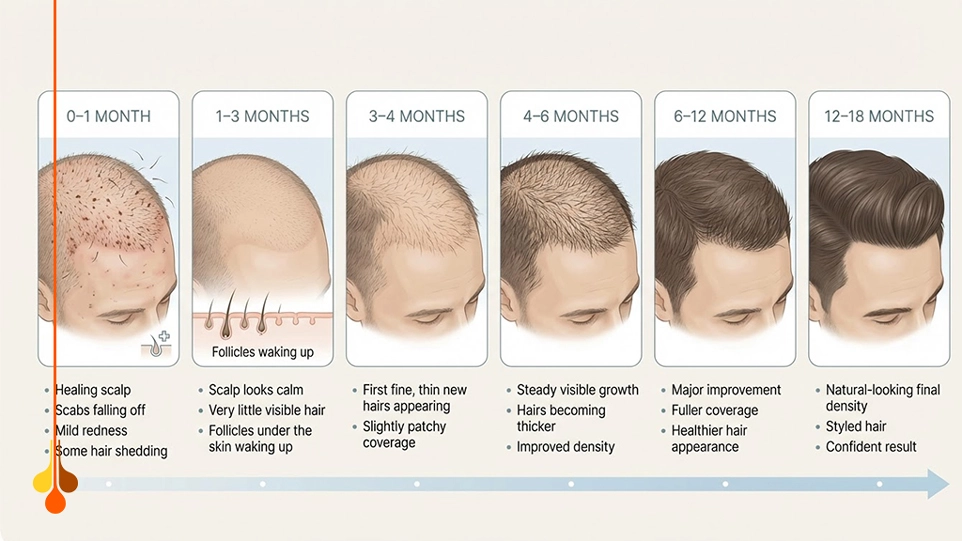
Quick Month-by-Month Mini Timeline (what to expect)
0–1 month: healing, scabs fall off, some shock loss.
1–3 months: resting phase ends; very little visible hair; new hairs may start to appear.
3–4 months: First fine regrowth becomes more noticeable for many people.
4–6 months: clear steady growth; thickness improves.
6–12 months: most patients see major improvement.
12–18 months: final density and styling results.
Final Thoughts
At hair transplant three months, things are usually just beginning. Growth is often subtle, uneven, and sometimes frustrating — but it’s typically normal. By month four you may notice more thickening and a clearer trend upward, but full results can take much longer.
If you’re anxious, remember this page is here to set realistic expectations, not to replace your clinic’s advice. Little, steady progress is the rule.
Schedule a short follow-up consult if you’re unsure or worried