
Hiding a hair transplant during recovery is possible with smart planning and patience.
- Early signs like redness and scabs are normal and usually fade within 10 days
- No-shave FUE, strategic graft placement, and longer hairstyles improve discretion
- Loose hats are typically safe after 7–10 days
- Managing redness, avoiding makeup, and timing your return to work help keep things subtle
With the right approach, recovery can stay private and stress-free.
Deciding to get a hair transplant is a huge step toward feeling like yourself again. But let’s be honest: not everyone wants to walk into the office or a family dinner with “I just had surgery” written all over their forehead. Whether you’re a professional in the public eye or just a private person, learning how to hide hair transplant signs is usually the first thing on the to-do list after leaving the clinic.
The good news? You don’t have to hide in a dark room for a month. With a few clever strategies and a bit of “hair-camouflage,” you can navigate the healing phase without drawing unwanted attention.
Is It Really Possible to Keep It Under Wraps?
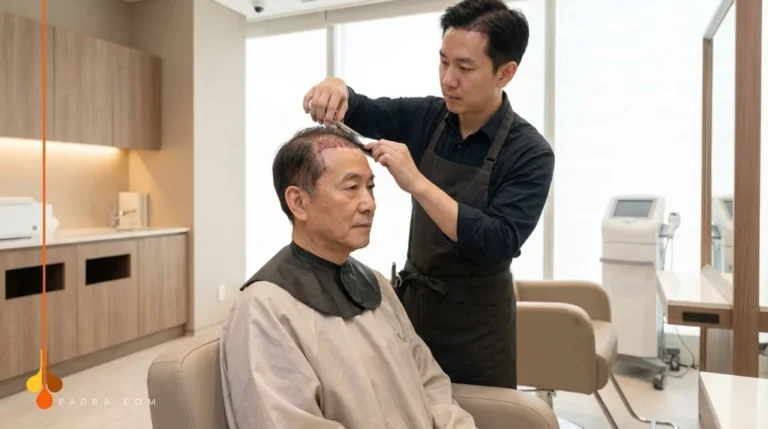
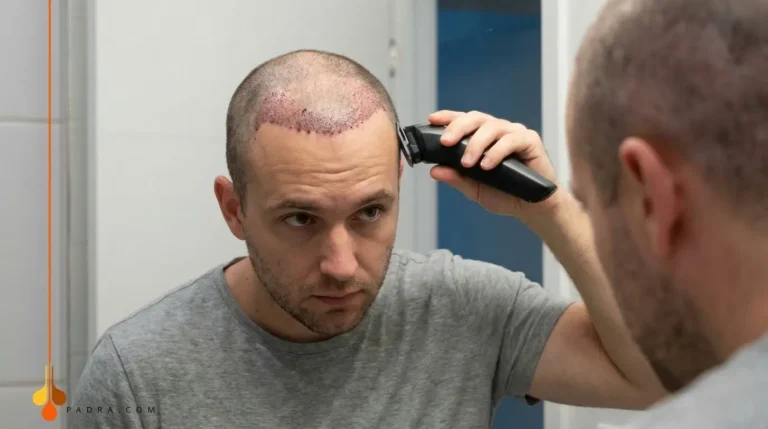
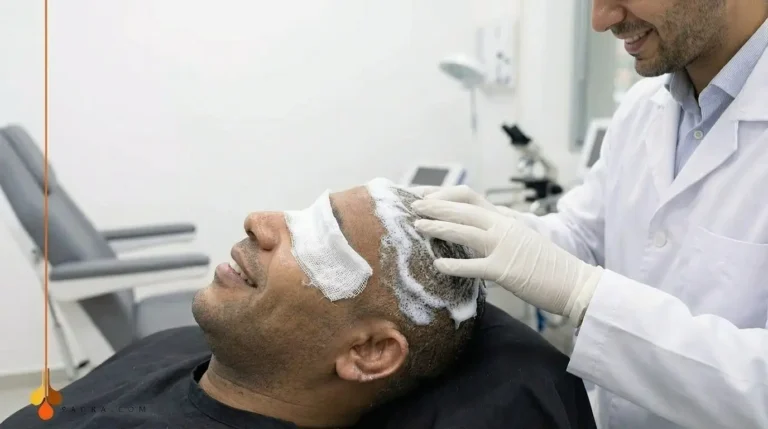
Yes, but it helps to have realistic expectations. During the first few days, your scalp will have some tell-tale signs: redness, tiny scabs, and maybe a little puffiness around the forehead.
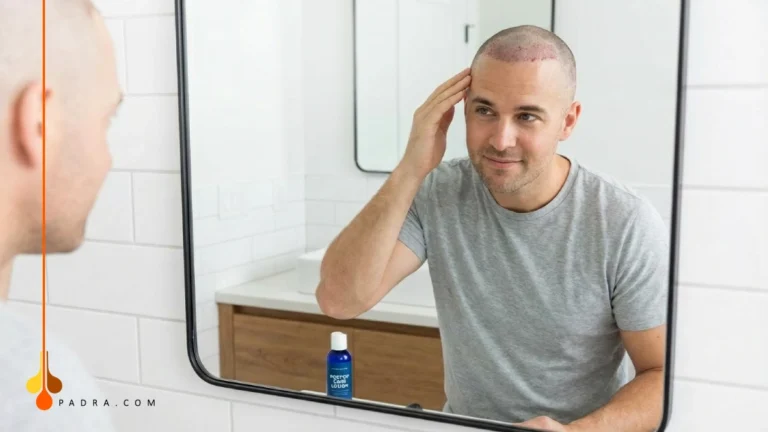
However, most people won't notice as much as you think they will. We are always our own harshest critics. By day 10, most of the “obvious” signs have faded into a light pink color that looks more like a mild sunburn than a surgical procedure.

Hair Transplant Hidden Technique: The Secret Is in the Planning
A discreet recovery actually starts in the surgeon’s chair. Choosing a hair transplant hidden technique can make the difference between a “conspicuous” look and a “stealth” one.
- The “No-Shave” FUE: In some cases, doctors can transplant hair without shaving your entire head. They only trim small, hidden “windows” in the donor area that your existing hair covers up immediately.
- Strategic Placement: A skilled surgeon mimics your natural growth angles. When the hair is placed correctly, it doesn't look like a “plug”—it looks like it has always been there.
- FUE vs. FUT: While FUT (the strip method) is great for some, FUE is the gold standard for privacy because it avoids that long linear scar at the back of the head.
Best Hairstyles to Hide a Hair Transplant
Your current hair is your best defense. If you’re planning a procedure, you might want to stop visiting the barber a few months in advance.
- The “Grow and Over” Style: If your hair is longer on top, you can comb it forward to shield the new grafts. Even a few inches of length can act as a natural curtain for the recipient area.
- The Intentional Buzz Cut: If you’re okay with short hair, buzzing your head before the surgery makes the post-op look like a deliberate style choice rather than a medical necessity.
- The Side Part: Shifting your part can often cover the donor sites on the side of your head while they heal.
Which style fits your hair type?
Send us a photo, and our stylists can suggest the best way
The Hat Dilemma: Can You Wear One?
This is the number one question for patients wanting to stay discreet. Can you wear a hat after a hair transplant? Yes, but you have to wait. Most clinics recommend waiting at least 7 to 10 days. The new grafts are like tiny seedlings—if you put a tight baseball cap on them, you might accidentally pull them out. Once you hit the 10-day mark, a loose-fitting “trucker hat” or a soft bucket hat is a great way to go out in public without being detected.
Stealth Mode: Managing Redness and Scabs
To keep your procedure a secret, you want the skin to look normal as fast as possible.
- Keep it Hydrated: Using the saline spray provided by your clinic prevents scabs from getting dark and crusty. The cleaner they are, the less visible they become.
- The “Sunburn” Excuse: If someone asks why your forehead is pink, most patients find that saying “I caught too much sun over the weekend” or “I had a reaction to a new facial cleanser” ends the conversation immediately.
- Sleep Like a King: Keep your head elevated with extra pillows for the first three nights. This prevents fluid from draining into your eyes and causing that “puffy” look that screams “surgery.”
Professional Tips for Returning to Work
If you want to return to the office without a “big reveal,” timing is your best friend.
- The 10-Day Rule: If you can, book your surgery before a two-week vacation. By the time you’re back at your desk, the scabs are gone, and the redness is minimal.
- Work from Home: If your job allows it, the first 7 days are the best time to stay behind a Zoom camera (where you can easily tilt the lens or adjust the lighting).
Focused on Better results
At the end of the day, the goal of any hair transplant hidden technique is to make you look like a refreshed version of yourself—not a different person. Be patient with the healing process, follow the rules for the first two weeks, and soon the only thing people will notice is that you look great.