







Traction alopecia is caused by repeated tension from tight hairstyles and often affects the hairline and temples. Early cases may improve by stopping damaging habits, but long-term or scarred areas usually need medical help.
A hair transplant can be effective only after the condition is stable and scalp health is restored. With proper timing, expert hairline design, and lifestyle changes, results can look natural and long-lasting while preventing recurrence.
Traction alopecia sneaks up on many folks, especially women who love those sleek styles. It’s basically hair loss from constant tugging on your roots. If you’re dealing with receding temples or sparse edges, understanding this condition is the first step to getting your confidence back.
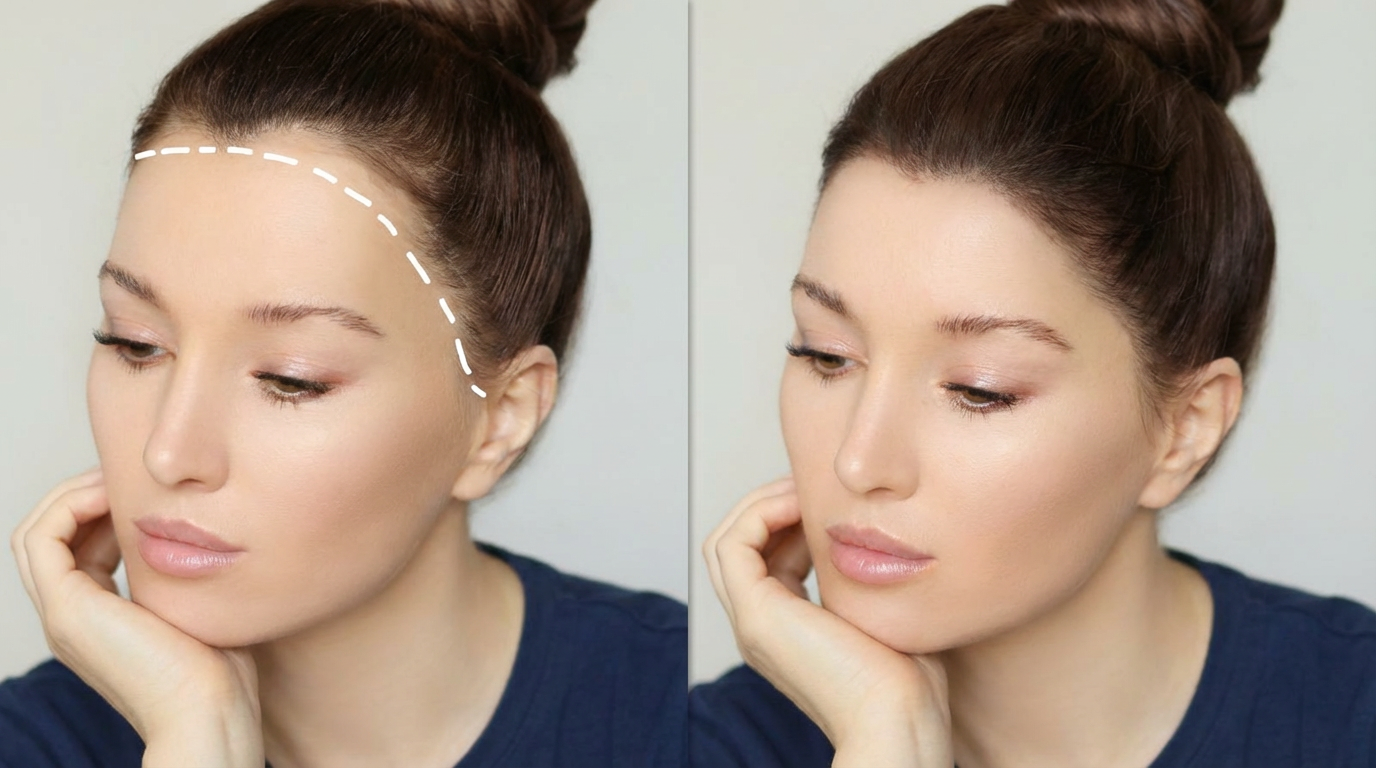
This issue hits hard in areas like the front hairline and sides, where tension builds up over time. Women with curly or coily hair often see it more because of popular looks like weaves or extensions. But the good news? Catching it early can make a big difference.
What Really Causes Traction Alopecia?
It all boils down to too much pulling on your hair follicles day after day. Think about those habits that feel harmless but add up:
- Pulling your hair into super-tight ponytails or buns for work or workouts.
- Getting braids, cornrows, or locs that grip too firmly at the roots.
- Adding extensions or weaves that weigh down and strain your natural strands.
- Even everyday things like tight headbands or scarves are worn constantly.
The key is breaking the cycle soon. If you keep going, it can lead to swelling and scars that make regrowth tougher. I’ve seen so many people turn things around just by easing up on the tension.
Book your consultation today
Spotting Early Signs vs. When It’s Become a Bigger Problem
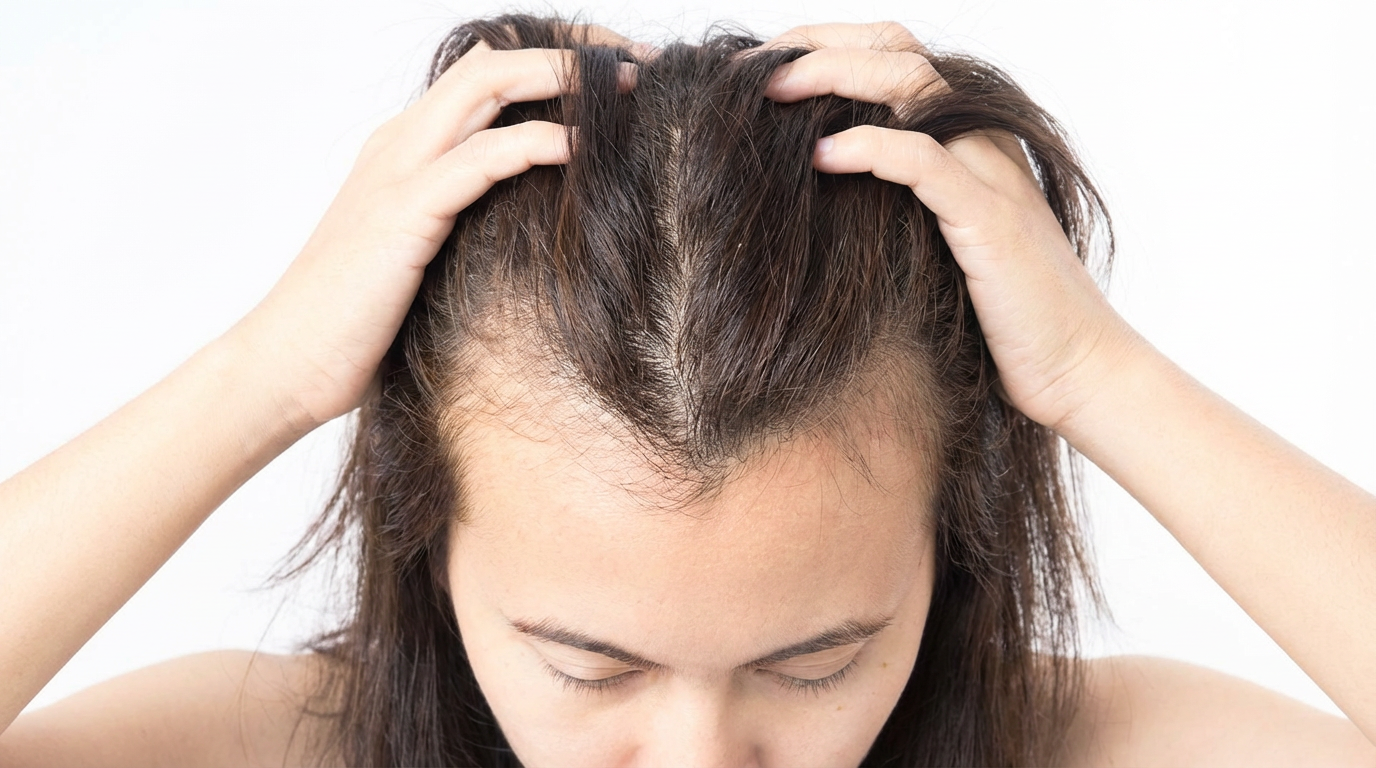
When traction alopecia is just beginning, your hair follicles might recover. Stop pulling your hair, take care of your scalp with gentle massages or mild oils, and new hair may start to grow in a few months.
If it’s been going on for years, scars can form, and those bald spots usually don’t grow back on their own. That’s when a hair transplant for women might help—but only once your scalp has fully healed and isn’t being damaged anymore. Doing it at the right time makes all the difference.
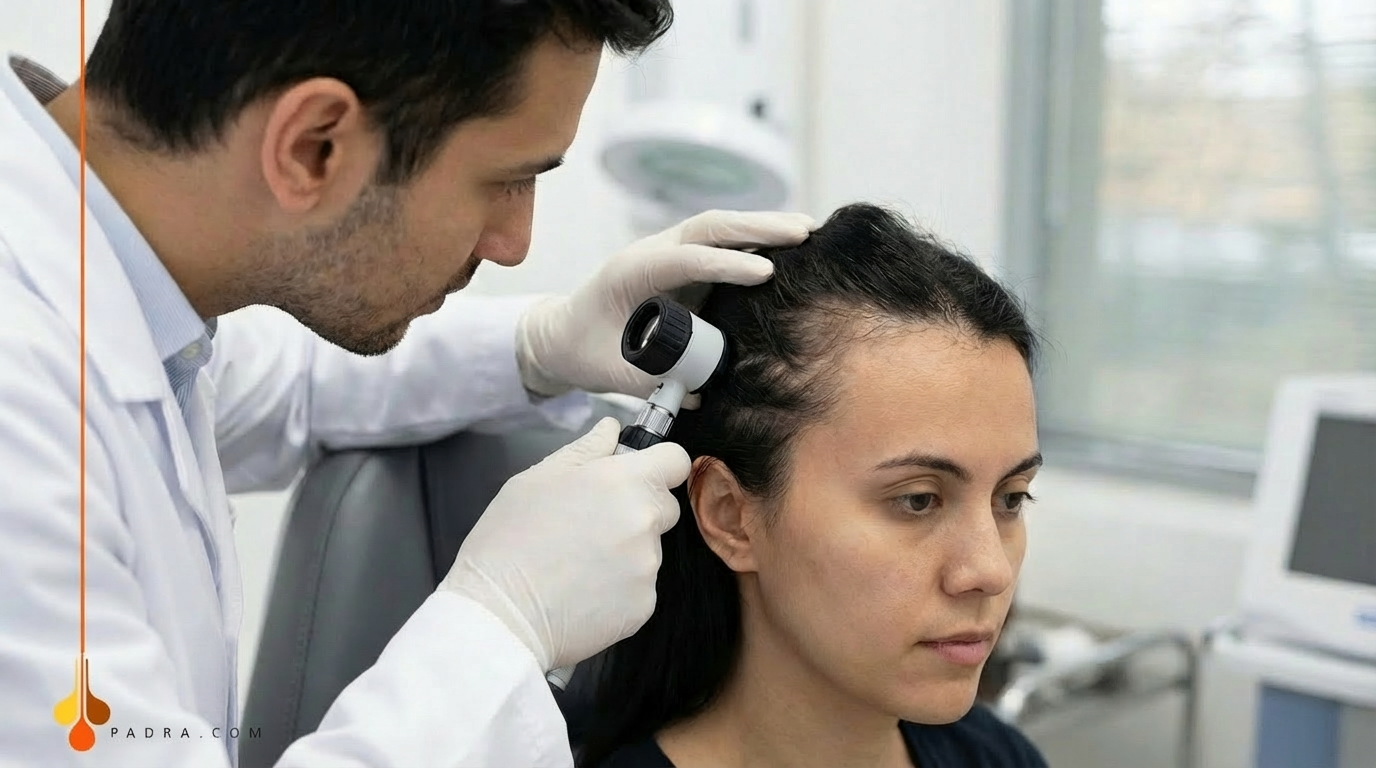
Approach this with open eyes; everyone’s scalp heals differently, and a pro check-up helps set the stage.
Traction Alopecia and Hair Transplants: Can Lost Hair Grow Back?
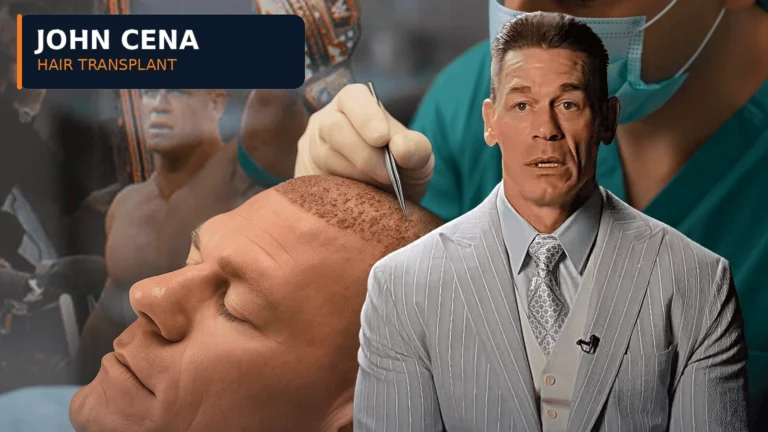
Absolutely, it can make a real difference if your loss is settled and there’s some scarring or stubborn thin spots. The idea is simple: take strong hairs from the back of your head and move them to the front where you need them. This rebuilds your hairline naturally.
Why wait for stability? Because if you’re still styling tightly, the new hairs might not stick around. Once you’ve quit the habits and any redness is gone, traction alopecia hair transplant surgery shines as a solid fix.
How to Know If You’re a Good Fit for This
Figuring out if a woman hair transplant for traction alopecia suits you isn’t one-size-fits-all. Docs look at a few things to give you the green light.
Has Your Condition Settled Down?
No more tight styles, and no fresh irritation for months. This gives the new grafts a fighting chance.
Is Your Scalp in Good Shape?
It needs decent blood flow and no hidden issues like infections. Healthy skin means better healing.
Do You Have Enough Donor Hair?
The back or sides should have plenty of sturdy strands to borrow from without leaving gaps.
Keeping Expectations Real
Know that outcomes depend on your hair type, age, and health. It’s not magic, but it can look amazing with the right plan.
Traction Alopecia Hair Transplant Surgery Process
It starts with a sit-down to map out your goals. Your doc sketches a hairline that fits your face just right, aiming for those soft, natural edges.
In the clinic’s clean operating room, you’ll get numbed up locally. The team carefully pulls out healthy follicles from the donor spot, making sure not to overdo it there—protecting that area is huge for long-term looks.
Then, they plant them into the thin zones, tweaking the angle and direction so everything blends in seamlessly. The whole thing’s overseen by the doctor, and you’re usually in and out the same day, though time varies by how much area needs covering.
What Kind of Results and Timeline Should You Brace For?
Right after, the new hairs might shed—that’s normal, don’t panic. It’s like they’re resetting.
Fresh growth often kicks in around three to six months, getting thicker as time passes. By the one-year mark, you might love how full and shaped it looks. But hey, everyone’s body clocks differently, so timelines aren’t set in stone.
Patience pays off, and sticking to aftercare like avoiding sun or rough handling helps maximize it.
Try These Steps Before Jumping to Surgery
Surgery isn’t always the first stop, especially if your traction alopecia is fresh. Give these a shot:
- Ditch the tight looks completely to let your roots breathe.
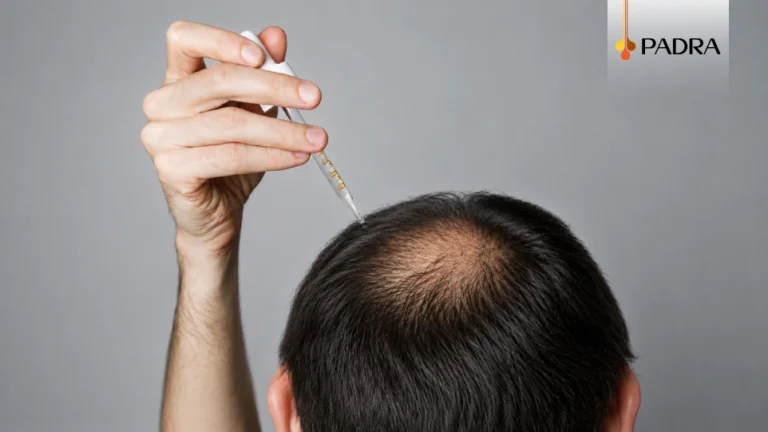
- Talk to a doc about topicals like minoxidil to nudge regrowth.
- Keep your scalp happy with mild shampoos and maybe some nourishing serums.
For milder cases, this combo can work wonders without going under the knife. It’s worth exploring to see if you can turn it around naturally.
Tips to Keep Traction Alopecia From Coming Back
You’ve invested in fixing it—now protect it. Switch to looser styles that don’t yank, like soft twists or free-flowing waves.
Mix in no-style days to let your scalp rest. Stay on top of check-ups if needed, and fuel up with good nutrition for strong hair overall. Small changes like these keep things looking great long-term.
The Secret to Getting Those Natural-Looking Edges: Why Skill Counts
It’s not just about planting hairs; it’s art. A skilled team designs your hairline with precision, matching the way your hair naturally grows for undetectable results.
They pack in density where it matters, like temples, without skimping on quality. And by focusing on donor health first, they ensure you don’t run into issues down the road. Going with pros who stick to high standards makes all the difference.
The Bottom Line: Steps to Fuller, Stronger Hairline
Dealing with traction alopecia can feel frustrating, but there are real ways to fight back. When it’s stable and right for you, a hair transplant for traction alopecia offers a lasting boost to your look and self-esteem.
Prioritize stopping the pull, get that custom design under expert eyes, and guard your donor area. Outcomes differ person to person, but with smart expectations and care, it’s often transformative.
Contact us now
For your best option