







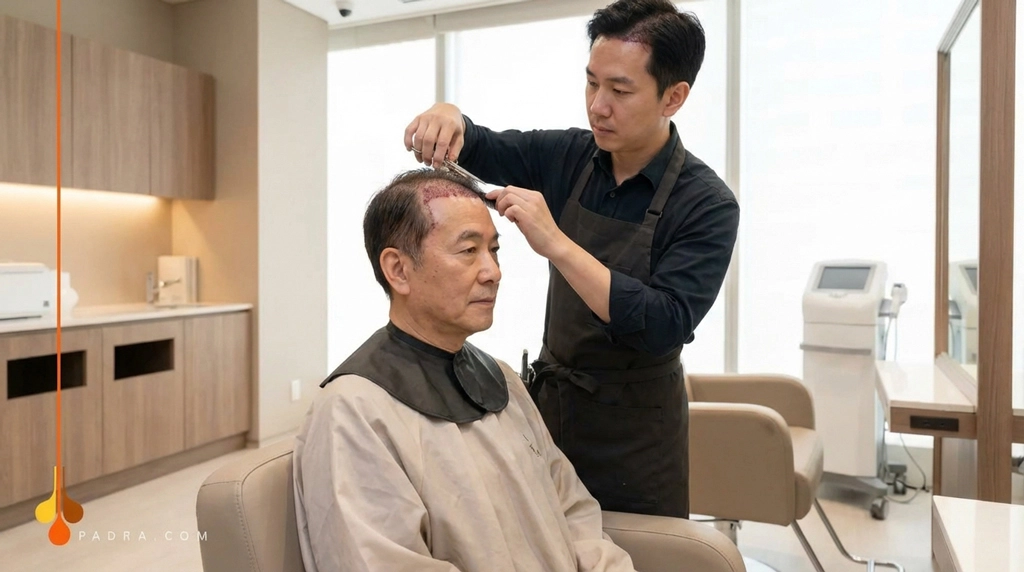
Getting a haircut after a hair transplant is possible, but timing and technique are critical. During the first two weeks, the transplanted area should not be touched at all.
- After 14 days: Donor area can be trimmed with scissors
- Around 1 month: Scissor-only haircuts are usually safe on all areas
- 3–6 months: Avoid clippers, fades, and razors on grafted zones
Gentle styling and patience help protect grafts and ensure natural, long-term results.
You have finally navigated the surgery, and you are likely checking the mirror every morning to see how those new grafts are settling in. It is an exciting time, but as the hair grows back at different speeds, a common question pops up: when can I get a haircut after hair transplant surgery?
While you might be eager to fix the “patchy” look that often happens in the early weeks, your scalp is still in a delicate recovery phase. Those new follicles need time to firmly anchor into their new home. Rushing into a barber’s chair too soon could accidentally jeopardize your long-term results.
The following guide explains the timeline and safety steps in plain language, helping you look your best without risking your investment.
Understanding the Timing: When Can I Get a Haircut?
The most important rule to remember is that there is no “magic date” that applies to everyone. Every scalp heals on its own schedule, influenced by your skin type and the specific technique used during your procedure. However, a general clinical framework can help you plan your first trip back to the salon.
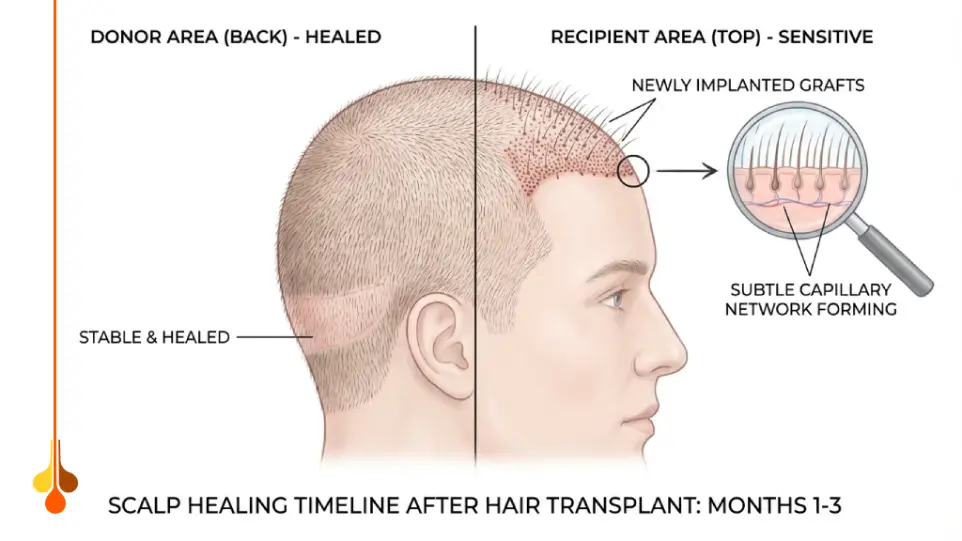
During the first 10 days, your grafts are in a “critical survival” window. They are essentially tiny skin grafts that are still forming a blood supply. Even a light tug from a comb or the friction of a clipper guard could dislodge them. Once you pass the two-week mark, the donor area at the back of your head usually feels much stronger, but the top of your head (the recipient area) remains sensitive.
As you move past the initial healing phase, questions about daily grooming become more practical and immediate. Many women wonder how early styling choices might affect the final outcome and whether a simple trim could interfere with graft survival. Understanding the recovery timeline, the difference between donor and recipient areas, and which tools are safe to use is essential at this stage. If you want a clearer picture of how haircut timing fits into the overall recovery process and what to expect in the months ahead, our in-depth resource A Guide to Hair Transplant for Women explains each step in detail and helps you make confident, informed decisions.
A Quick Timeline for Reference:
- Weeks 1–2: Strict “no-touch” policy for the transplanted area.
- Day 14+: It is generally safe to trim the back and sides with scissors.
- 1 Month: Most patients can safely have their first haircut after hair transplant using scissors over the entire head.
What to Expect During Your First Post-Op Trim
Your first haircut after hair Transplant for Women is less about fashion and more about “management.” You will likely notice some shedding—often called shock loss—around this time. This is a normal part of the process where the hair shaft falls out so a new, stronger one can grow in its place.
Because of this shedding, your hair might look a bit thin. A gentle trim helps blend your original, faster-growing hair with the shorter, transplanted sections. This small change can make you feel much more “back to normal” while you wait for the permanent growth to kick in.
Not sure if your scalp is ready for the chair?
Send us a photo for a quick recovery check-up!
Cutting Hair After Hair Transplant: Zones Matter
It is vital to treat the two parts of your head differently during these early months. The “Donor Area” (where the hair was taken from) is much more resilient. Since no new follicles were planted there, the skin heals relatively fast, and you can usually tidy this up after just 14 days.
The “Transplanted Area,” however, is the high-priority zone. You should wait at least 4 to 6 weeks before letting anyone touch this area with scissors. Furthermore, you should avoid using electric clippers or buzzed fades on this specific spot for at least 3 to 6 months. The vibration and heat from clippers can irritate the healing tissue and potentially damage the follicles.
Finding the Best Haircut After Hair Transplant
When you finally sit in the barber’s chair, you should prioritize safety over style. The best haircut after a hair transplant is almost always a “scissor-only” cut. Here are a few ways to style it:
- The Scissor Blend: By using only scissors, your stylist has maximum control and avoids the pulling sensation of a machine.
- Tapered Sides: Keeping the donor area neat while letting the top grow naturally creates a groomed, professional appearance.
- The Uniform Trim: This involves shortening your native hair to match the length of the new grafts, creating a clean, balanced look.
Choosing a smart hair style after hair transplant ensures you look sharp while your scalp continues to heal underneath.
Styles and Tools to Avoid
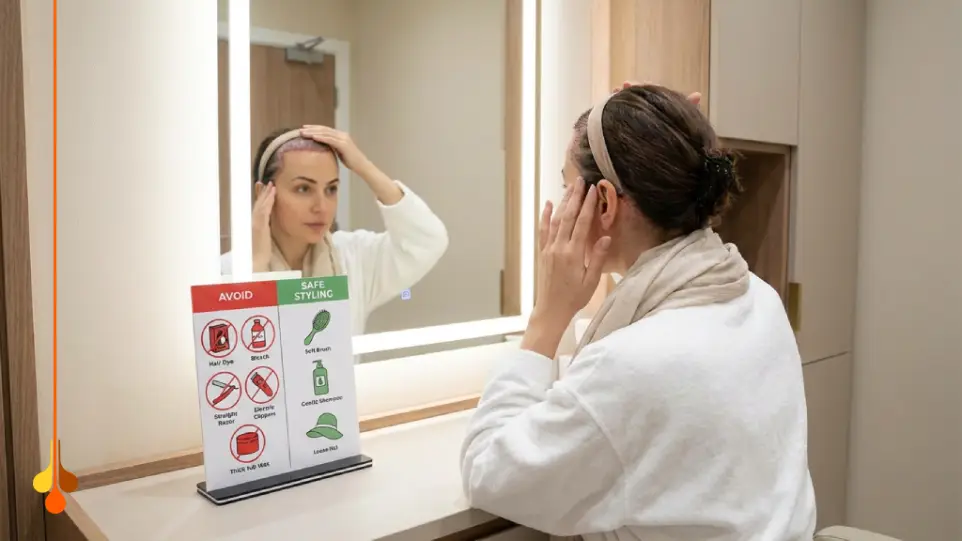
While the future of your hair looks bright, there are some hairstyles after hair transplant that you should skip for now. Avoid anything that involves harsh chemicals, such as hair dyes or bleaches, for at least six weeks. These can cause chemical burns on a sensitive scalp.
You should also stay away from “skin fades” or very close razor shaves. The goal is to keep the skin calm and free from irritation. Lastly, try to avoid heavy styling waxes or hair fibers for the first month, as these can clog the pores and lead to small breakouts or “folliculitis” around the new grafts.
Final Thoughts: The Path to Great Hair
Managing your haircut after hair transplant is a vital part of your journey. Remember the golden rules: prioritize scissors, avoid the clippers for a few months, and always listen to your body. If your scalp feels tender or looks red, give it a few more days of rest.
When Can You Return to Normal?
By the time you reach the six-month mark, the “patience phase” is usually over. Your grafts are securely anchored, and the scalp sensitivity has faded. At this point, you can return to your regular routine, including electric clippers, fades, and any styling products you prefer. Taking it slow in the beginning ensures that the final result is thick, healthy, and completely natural.