








Many people considering a hair transplant want to know not just how it looks after a few months, but how it holds up over the long term. The 10-year mark is where the true success of a hair transplant becomes clear.
At this stage, the focus is no longer on growth, but on durability, natural appearance, and how well the transplanted hair has aged over time.
This guide explains what hair transplant results typically look like after 10 years, what factors influence long-term outcomes, and whether additional treatment may be needed.
What Happens 10 Years After a Hair Transplant?
After 10 years, transplanted hair is usually fully integrated into the scalp and behaves like natural hair.
At this stage:
- Hair continues to grow normally
- You can cut, shave, and style it without restrictions
- The hairline appears natural and stable
In most cases, transplanted follicles remain resistant to hair loss because they are taken from genetically stable areas.
Send recent photos for a free assessment
What Do Hair Transplant Results Look Like After 10 Years?
At the 10-year mark, results are evaluated based on appearance rather than growth.
Most patients experience:
- A natural-looking hairline that blends with facial features
- Consistent hair direction and texture
- Stable coverage in transplanted areas
However, overall density may change slightly due to ongoing thinning of non-transplanted hair.
Does a Hair Transplant Last 10 Years or More?
Hair transplants are designed to provide long-lasting results, but they are influenced by multiple factors.
Key considerations include:
- Genetic resistance of donor hair
- Progression of natural hair loss
- Age and hormonal changes
- Quality of the initial procedure
Transplanted hair generally remains stable, but surrounding hair may continue to thin over time.
Can Hair Loss Continue After a Transplant?
Yes, hair loss can still affect areas that were not transplanted.
This may lead to:
- Gradual thinning in untreated areas
- Changes in overall density
- The need for maintenance or future planning
If you start noticing ongoing thinning, it doesn’t necessarily mean the transplant has failed—it often reflects the natural progression of hair loss in non-transplanted areas. In such cases, supportive treatments can help maintain overall density and slow further loss.
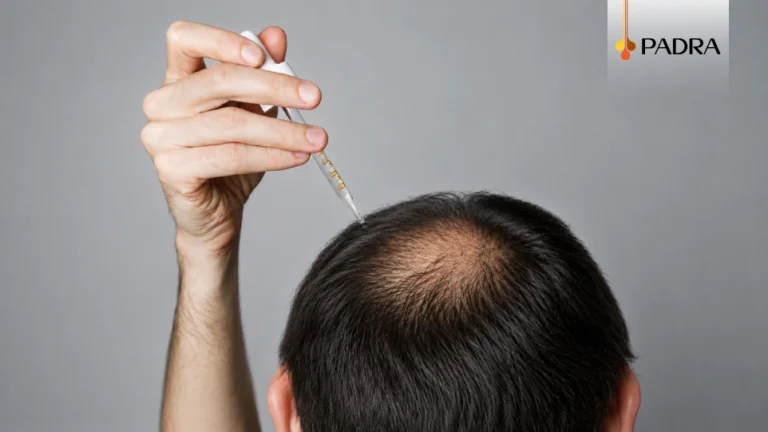
If you’re concerned about continued hair thinning, you can explore options like mesotherapy, which is commonly used to support hair strength and help stabilize ongoing hair loss.
This is why long-term strategy is important when designing and maintaining your results.
Difference between transplanted hair and native hair
- Transplanted hair: Usually more resistant to the main type of hair loss and often retains thickness longer.
- Native hair around grafts: May keep thinning with age. When native hair gets thinner, the overall look can appear less dense even though the grafts themselves are still alive.
Hair Transplant After 10 Years: What to Expect
Hair quality and thickness
At the ten-year mark you’ll see the real long-term picture. Many transplanted follicles remain healthy and produce good hair. However, slight thinning or miniaturization can occur — both to transplanted grafts (rare) and, more commonly, to nearby native hair.
Hairline appearance over time
A hairline placed too low or too aggressive can look dated a decade later. Conservative, natural designs tend to age better. If your hairline was designed with long-term changes in mind, it usually stays natural-looking even as you age.
Common changes patients notice
- Slight reduction in overall perceived density if native hair thins.
- Softening of the frontal hairline (natural aging).
- Need for different styling to adapt to texture or length changes.
- Some people report more greying in transplanted hair, which follows general aging.

Can Transplanted Hair Thin or Change After 10 Years?
Natural aging vs. transplant failure
Transplanted hair thinning years later is usually not transplant “failure.” True graft failure is uncommon when surgery was done well. More often, what you see is natural aging of hair or progressive loss of the non-transplanted hair around the grafts.
Surrounding native hair loss
If the native hair continues to fall out, the contrast between grafted and non-grafted areas grows. That can make the transplant look thinner overall even if the grafts are fine.
Lifestyle and genetic factors
Smoking, poor nutrition, certain illnesses, and family history play a role. Medications like topical minoxidil or oral finasteride (talk to a doctor) can slow or reduce thinning of native hair and help maintain a balanced look.
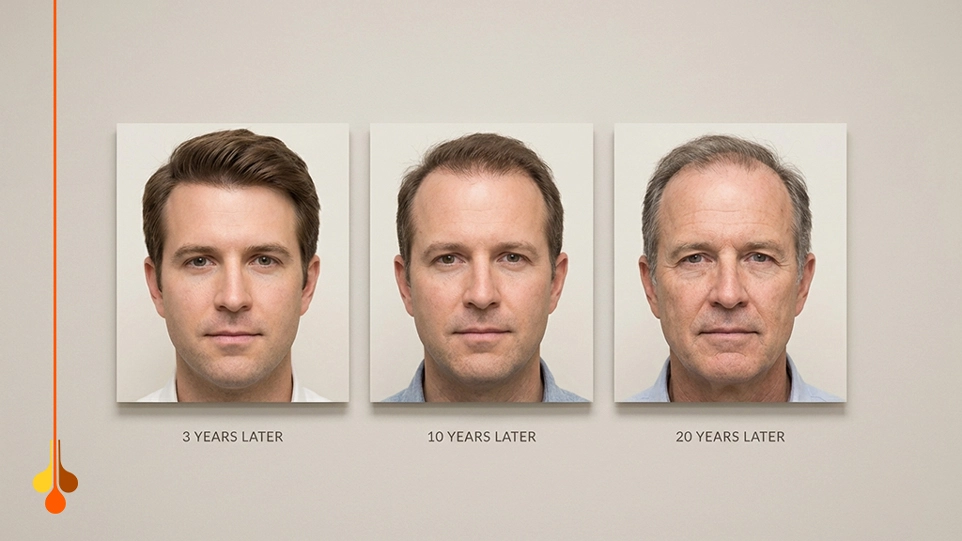
Hair Transplant After 20 Years: Long-Term Perspective
At hair transplant after 20 years, most people will see the full effects of aging and genetics. Good donor hair can last, but overall scalp appearance depends on ongoing hair loss, how conservative the original plan was, and follow-up care.
A hairline built with the long term in mind — slightly higher, softer, and following natural contours — will usually look better two decades later. Aggressive, overly low hairlines are the ones that tend to look less natural with time.
Planning for future loss means fewer surgeries later and a more natural look as you age. Surgeons who design with decades in mind tend to produce results patients are happy with long-term.
Does a Hair Transplant Last Forever?
This is a common search: “Does hair transplant last 20 years?” or “does hair transplant last forever?” The clear, honest answer: a hair transplant gives long-lasting results for many grafts, but absolute permanence for every follicle is not a medical guarantee. Expect durability, not an absolute promise.
What “long-lasting” means medically:
- Most transplanted follicles are durable because they come from resistant donor areas.
- How long and how the transplant looks depends on your ongoing pattern of hair loss, age, and care.
Avoid any clinic that promises a single, permanent fix with no chance of later change. That’s not realistic.
How to Maintain Hair Transplant Results Long-Term
Maintaining results requires ongoing attention.
Recommended practices include:
- Following medical guidance for hair maintenance
- Using supportive treatments if advised
- Maintaining a healthy lifestyle
- Monitoring changes in natural hair over time
Long-term success depends on both the procedure and continued care.
Will You Need a Second Hair Transplant?
Not all patients require a second procedure, but some may consider it over time.
A second transplant may be recommended if:
- Hair loss progresses significantly
- Density needs improvement
- The patient wants to adjust or refine the hairline
Preserving the donor area during the first procedure plays a key role in maintaining future options.
Considering a Second Procedure?
Get a personalized consultation
What Affects Long-Term Hair Transplant Results?
Several factors influence how results age over time:
- Surgical precision and technique
- Donor area management
- Natural hair loss progression
- Lifestyle and overall health
- Post-treatment care
- Aging effects on hair and scalp
As you age, natural changes in hair thickness, growth rate, and overall density can affect how your results look—even if the transplanted hair remains stable. Hair may become finer over time, and surrounding non-transplanted hair can continue to thin, which can impact overall fullness.
A well-executed procedure, combined with proper care and realistic long-term planning, tends to deliver more stable and natural-looking results over time.
When Do Patients Consider a Second Procedure?
Density changes
If perceived density falls enough that styling options shrink, patients often consider a second session to add grafts.
Expanding hair loss
When loss advances beyond the area covered by the first transplant, an additional procedure can expand the treated zone.
Aesthetic refinement
Sometimes it’s about small fixes: softening a hairline, adding density to the crown, or fine-tuning graft angle for better texture.
Before booking a second procedure, many clinicians recommend a long-term assessment — photos, maybe a scalp exam — to plan the best approach.
When Should You Be Concerned After 10 Years?
Most changes over time are gradual and expected. However, consider a professional evaluation if you notice:
- Sudden or rapid hair loss
- Noticeable thinning in transplanted areas
- Scalp conditions affecting hair growth
Regular check-ups can help ensure long-term stability.
Final Thoughts
A hair transplant after 10 years is best evaluated by how natural, stable, and consistent the results remain over time.
While individual outcomes vary, a well-planned procedure combined with proper care can maintain a natural appearance for many years.