








Minoxidil is one of the most commonly used treatments for hair loss, but many users experience side effects such as itching, dryness, or scalp irritation.
These reactions can be concerning, especially for first-time users who are unsure whether their symptoms are normal or a sign to stop treatment.
This guide explains the most common side effects of minoxidil, what causes them, which reactions are normal, and when you should seek medical advice.
first.
The good news? Most of these things are a normal part of the process. Let’s break down what’s happening to your scalp and how to tell the difference between a temporary phase and something that needs more attention.
What Is Minoxidil and How Does It Work?
In simple terms, minoxidil is a hair loss treatment that helps “wake up” your hair follicles. It’s a vasodilator, which means it helps blood flow more easily to the areas where you apply it. This extra blood flow brings nutrients to your hair, helping it grow thicker and stay in the growth phase longer.
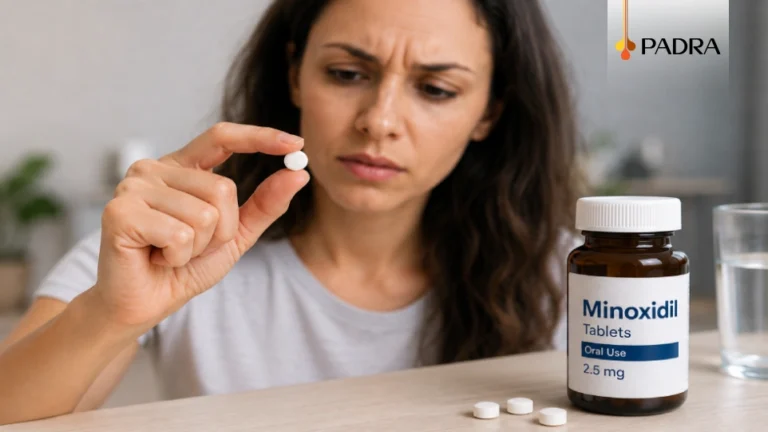
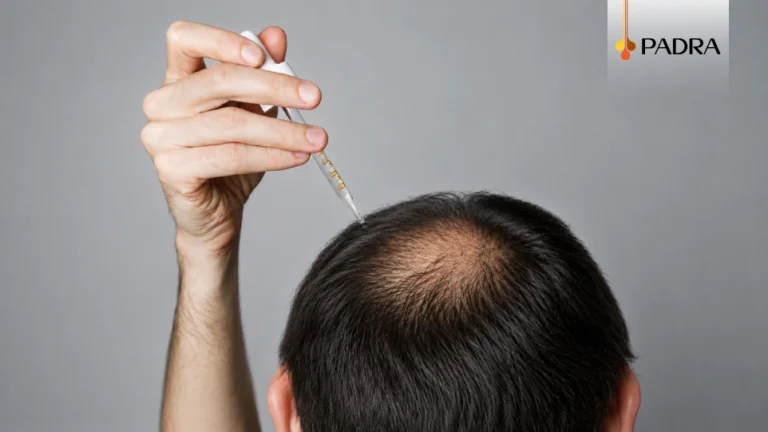
While you can get it in pill form, most people use the topical version—either a liquid or a foam—that you rub directly onto your scalp.
What Are the Common Side Effects of Minoxidil?
Minoxidil can cause mild to moderate side effects, particularly during the early stages of use.
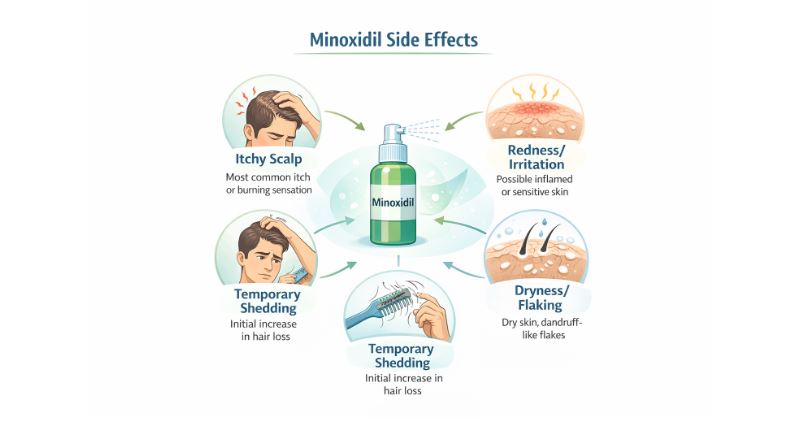
The most common ones include:
- Itchy scalp
- Dryness or flaking
- Redness or irritation
- Burning or tingling sensation
- Temporary shedding (initial phase)
These effects are usually manageable and often improve over time.
What Side Effects Are Not Normal?
While mild itching, dryness, or temporary flaking can be expected, certain reactions should not be ignored. Severe burning, significant swelling, persistent redness, painful irritation, or signs of an allergic reaction may indicate that the scalp is not tolerating the treatment properly.
Excessive shedding that persists for an extended period, or symptoms that worsen over time rather than improve, should also be evaluated by a specialist.
Why Does Minoxidil Cause Itching and Irritation?
Scalp irritation is one of the most frequently reported side effects.
This can happen due to:
- Sensitivity to ingredients such as alcohol or propylene glycol
- Drying effect of the solution on the scalp
- Increased blood flow and scalp stimulation
In many cases, the reaction is not caused by the active ingredient itself, but by the formulation.
Always seek professional guidance before making long-term decisions.
Is Your Scalp Reaction to Minoxidil Normal?
Mild itching is relatively common when starting minoxidil, especially during the first few weeks as the scalp adjusts to the treatment. Some people may notice slight discomfort after application, occasional itching throughout the day, or mild dryness and flaking. In many cases, these symptoms are temporary and gradually improve over time.
However, not every reaction should be considered normal. If the itching becomes severe, persistent, or is accompanied by intense redness, swelling, crusting, or signs of an allergic reaction, it may indicate that your scalp is not tolerating the treatment properly.
If symptoms continue to worsen rather than improve, it’s important to stop using it and seek professional advice.
Does Minoxidil Cause Shedding?
Yes, temporary shedding can occur when starting minoxidil.
This happens because:
- Hair follicles shift into a new growth cycle
- Older hairs fall out to make way for new growth
Shedding is usually temporary and can last a few weeks before improvement begins.
How to Reduce Minoxidil Side Effects
There are several ways to minimize discomfort while continuing treatment:
- Use the recommended dosage only
- Apply to a clean, dry scalp
- Avoid overuse or frequent reapplication
- Consider switching to foam (often less irritating than liquid)
- Keep the scalp moisturized if dryness occurs
If symptoms persist, adjusting the formulation may help.
Ready to get professional advice on your hair growth process?
Schedule a chat with our team today.
Ready to get professional advice on your hair growth process?
Schedule a chat with our team today.
Does Minoxidil Cause Dandruff or Flaking?
Yes, some people experience dandruff-like flaking or scalp dryness while using minoxidil, especially with liquid formulations. In many cases, this happens because ingredients such as alcohol or propylene glycol can dry out or irritate the scalp.
Common symptoms may include white flakes, dry patches, itching, or a tight feeling on the scalp. These reactions are usually temporary and often improve by switching to foam minoxidil, avoiding overuse, and using gentle moisturizing hair products.
If the flaking becomes severe or continues for an extended period, it’s best to seek professional advice.
Foam vs Liquid Minoxidil: Which Is Better for Sensitive Scalp?
Different formulations can affect side effects.
- Foam:
- Typically less irritating
- Does not contain propylene glycol
- Better for sensitive scalps
- Liquid:
- May cause more dryness or itching
- Often contains alcohol-based ingredients
Switching to foam can reduce irritation for many users.
When Should You Stop Using Minoxidil?
You should consider stopping or pausing treatment if:
- Side effects become severe or painful
- Symptoms worsen over time instead of improving
- You experience signs of an allergic reaction
Is It Normal to Have Side Effects When Starting Minoxidil?
Yes, absolutely. Think of it as an adjustment phase. Your skin needs time to get used to a new product being applied every single day.
Usually, the itchiness or flaking is most noticeable in the first few weeks. As your skin builds up a tolerance, these symptoms often fade away. Patience is your best friend here. If you can push through the first month, you’ll likely find that your scalp settles down.
IN addition, If you have ever been concerned about Finasteride Side Effects, we have prepared an article that can help you understand them better.
When Should You Be Concerned About Minoxidil Side Effects?
While a little itch is normal, you should listen to your body. You might want to pause and talk to a professional if you notice:
- Extreme redness or a burning sensation that won’t stop.
- Swelling in your face or hands.
- Dizziness or a racing heartbeat (this is rare with topical use but can happen).
- A severe rash that spreads.
Note: If you’re feeling uneasy about how your skin is reacting, it’s always better to ask an expert.
Minoxidil vs Finasteride Side Effects
Many people use a “big two” approach, looking at finasteride and minoxidil side effects together. The main difference is how they work.
Minoxidil works on the surface (local). Its side effects are usually skin-related, like that itchy scalp we mentioned. Finasteride, on the other hand, works on your hormones to stop hair loss at the root. Because it works internally, its side effects are systemic—meaning they affect the whole body rather than just the skin.
Because they work in different ways, doctors often recommend using them together to get the best results from both worlds.
How to Reduce Scalp Irritation While Using Minoxidil
You don’t have to just suffer through the itch. Here are a few human-tested tips to make things more comfortable:
- Switch to Foam: If the liquid makes you itchy, try the foam version. It usually doesn’t have the propylene glycol that causes the most irritation.
- Wash Regularly: Don’t let the product build up. Use a gentle, sulfate-free shampoo to keep your pores clear.
- Don’t Overdo It: Stick to the recommended dose. More isn’t better; it’s just more irritating.
Dry Your Hair First: Applying minoxidil to a wet scalp can actually increase irritation because it absorbs too quickly.
Should You Stop Minoxidil If You Have Side Effects?
If you’re dealing with a mild itch, it’s usually best to keep going. If you stop abruptly, any hair you’ve regrown will likely fall out within a few months.
However, you shouldn’t feel like you have to “tough it out” if you’re in pain. Every person is different. The best move is to get professional guidance to see if you should change your dose, switch brands, or try a different type of treatment altogether.
Final Thoughts
Minoxidil side effects, such as itching, dryness, and mild irritation, are relatively common and often temporary. Understanding what is normal can help reduce unnecessary concern and improve treatment consistency.
However, paying attention to your body’s response is important. If symptoms become severe or unusual, seeking professional advice is the safest approach.