






Dealing with thinning hair or bald spots can feel like a constant battle, right? You try hats, new styles, or even products that promise miracles, but nothing sticks. That’s where the DHI method hair transplant comes in—a game-changer in hair restoration that’s all about subtlety and real results. Short for direct hair implantation, this technique is like planting seeds exactly where and how they need to grow. It’s not just another procedure; it’s designed for folks who want their hair back without the obvious signs of work done. In this deep dive, we’ll unpack what a DHI hair transplant really involves, how it compares to options like FUE and FUT, and whether it could be your ticket to a fuller head.
What Is DHI Hair Transplant?
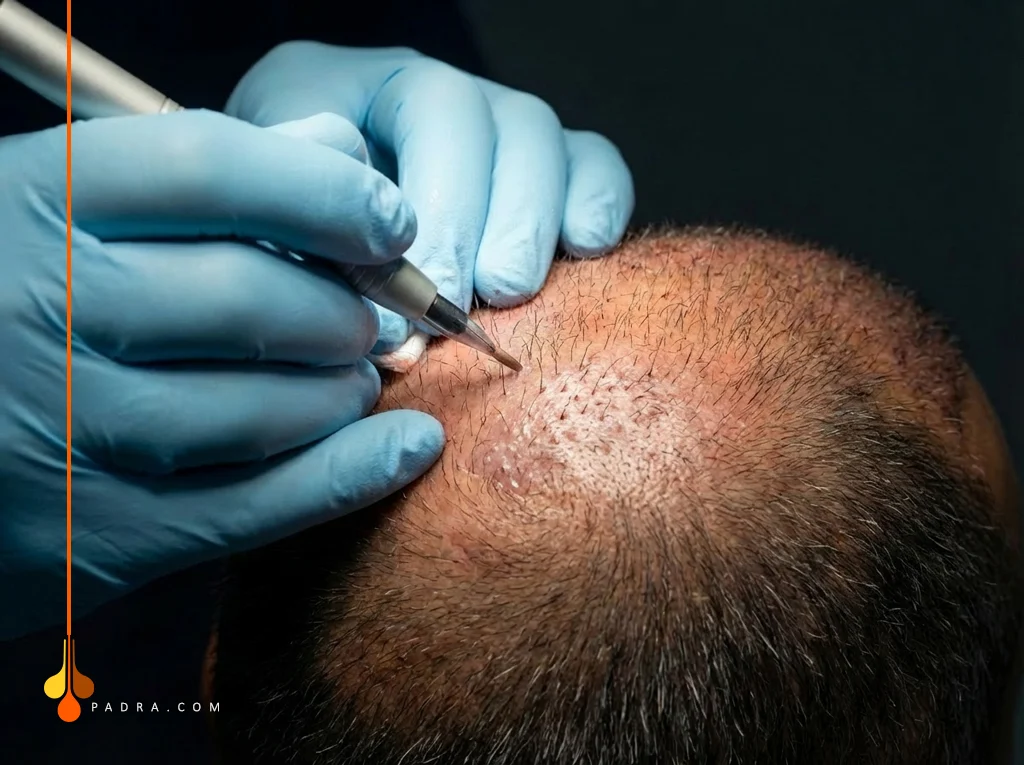
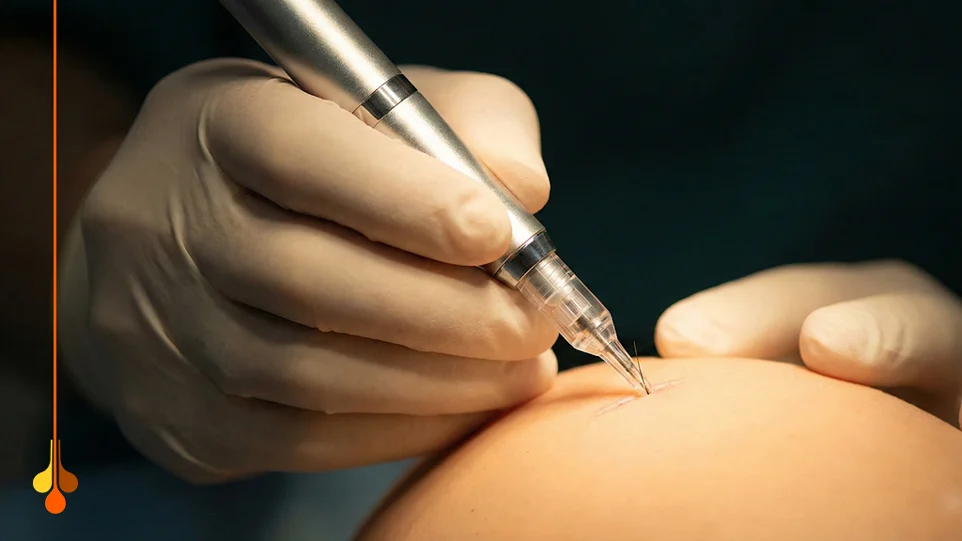
DHI hair stands for direct hair transplant, a smart way to move hair follicles from one spot to another without unnecessary cuts or delays. Unlike older methods, it skips creating tiny channels in your scalp first. Instead, doctors use a handy tool called the implanter pen to pop the follicles straight in.
This difference between FUE and DHI hair transplant is key – FUE extracts and then makes slits before planting, but DHI does it in one smooth motion. That pen lets the surgeon nail the angle, depth, and direction perfectly, so your new hair grows just like the old stuff. It’s great for fixing receding hairlines or adding thickness without looking patchy.
How the DHI Procedure Works: Step-by-Step Guide to Direct Hair Implantation
Want to know how a DHI hair transplant works? It’s not scary at all. Clinics make it feel like a chill day where you’re in charge.
First, you talk with the doctor. They ask about what you want for your hair, check the donor spot (usually the strong hairs on the back of your head), and draw up a plan that suits your face.
Next, they numb the area with local anesthesia. You stay awake—maybe chat or watch TV—with no pain.
Then, they extract the hairs: Like in FUE, they use a small tool to carefully take out single follicles and keep them in good shape.
The key part is putting them in: Using a special pen, they place each follicle straight into the bald spot, lining it up naturally on the spot. No waiting around, so the hairs have a better chance to thrive.
After that, you get simple care instructions—like wash gently, avoid exercise for a few days, and check for swelling.
The whole thing takes 4-8 hours, but you leave looking mostly the same. DHI is all about doing it right, not rushing.
Benefits of DHI Hair Transplant: Precision, Natural Hairline, and Faster Healing
DHI hair transplant shines when you want results that don’t scream “transplant.” Here are some standout benefits that draw people in.
It offers top-notch precision, ensuring every hair sits at the right angle for a lifelike look.
By avoiding channel cuts, it cuts down on scarring and lets your scalp heal quicker.
The process is speedy since implantation follows extraction immediately, upping the chances of strong growth.
You’ll end up with denser, more natural hairlines that match your original pattern.
it’s kinder to your scalp, with less swelling or redness post-op.
When folks compare DHI vs FUE results, DHI often edges out for that polished, undetectable finish.
Considering DHI for natural results?
Book Your Expert Consultation Today
DHI Hair Transplant Risks and Limitations: What You Need to Know
Let’s be real—DHI isn’t a one-size-fits-all fix. It comes with a higher price tag, especially in DHI vs FUE cost talks, because of the specialized pen and expert training required.
For huge bald areas, it might drag on longer since it’s follicle by follicle.
You need a pro surgeon; a newbie could lead to uneven spots.
Not everyone qualifies—if your donor hair is sparse, alternatives might work better.
Risks? Like any surgery, there’s a chance of infection, temporary numbness, or hairs not taking root if you skip aftercare. But with good hygiene, these are rare.
DHI Hair Transplant Recovery Timeline: From Procedure to Visible Results
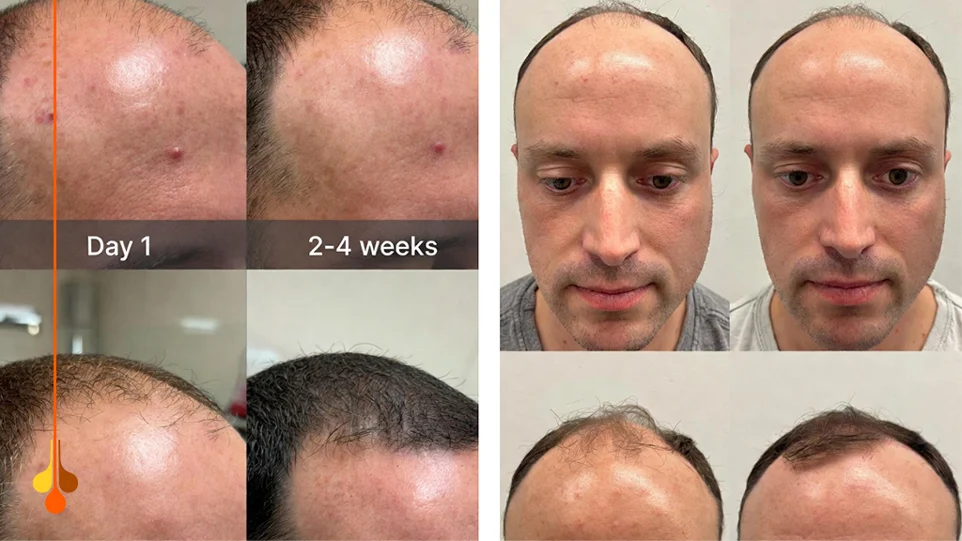
Bouncing back from DHI is usually straightforward, mirroring FUE recovery but often milder. Day one might bring mild puffiness or dots where hairs went in, but that’s gone in a week or two.
Stick to light activities, avoid direct sun, and use the prescribed shampoo.
Around weeks two to four, expect shedding—it’s the old cycle making way for new growth, so stay patient.
By month three, tiny sprouts appear, building up to noticeable thickness at six months.
Hit the one-year mark, and you’ve got your final, permanent results. Those transplanted hairs are tough, resisting future loss.
DHI vs FUE vs FUT: Key Differences, Costs, and Results Compared
Sorting through hair transplant options? FUE vs FUT vs DHI can confuse anyone. FUE grabs follicles one at a time and plants after making cuts. FUT strips a chunk of scalp for grafts, leaving a line scar. DHI refines FUE with direct pops via the pen.
Check this table for a clear view:
| Feature | DHI | FUE | FUT |
|---|---|---|---|
| How It’s Done | Pen for direct insert | Extract, cut channels, insert | Strip harvest, graft split |
| Marks Left | Tiny, hard-to-see dots | Small dots | Long scar at back |
| Healing Period | About 1-2 weeks | 1-2 weeks | 2-3 weeks or more |
| Price Range | On the higher side | Middle ground | Often cheapest |
| Outcome | Super natural flow and fullness | Solid, but can vary | Great density, risk of scars |
| Best For | Detailed work, smaller zones | All-around flexibility | Big coverage needs |
In DHI vs FUE hair transplant debates, DHI wins for finesse, but FUE might save bucks. Overall, pick based on your scalp and goals.
Is DHI Hair Transplant Right for You? How to Make the Best Choice
Wrapping this up, direct hair implantation through DHI offers a reliable, low-fuss way to reclaim your hair with outcomes that feel authentically you. It’s advanced, safe, and customized for lasting confidence. But hey, chat with a specialist to confirm it’s your match—everyone’s story is unique.
Ready for advanced hair restoration?
Begin Your DHI Plan Now