







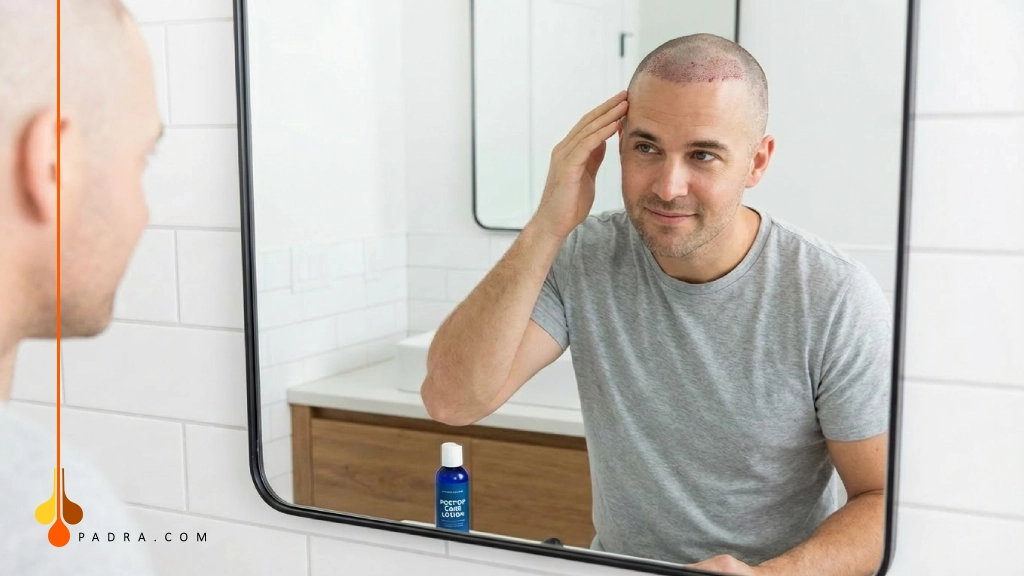
Hair transplant scabs are a normal and temporary part of healing after surgery. They form to protect new grafts and usually appear within the first day, drying and loosening over the first week. Most scabs fall off naturally between days 7 and 14 with gentle washing. It’s normal if some hair sheds with them, as roots remain intact. Avoid picking or scratching, and contact your clinic only if scabs persist unusually or show signs of infection.
Look, if you’ve just had a hair transplant, those scabs staring back at you in the mirror can freak you out a bit. I get it—I’ve heard the same worry from so many people who’ve been through it. But honestly, hair transplant scabs are one of the most normal things you’ll see in the early days.
They’re your scalp’s way of patching itself up after the procedure. In this post, I’m going to talk you through the whole thing in plain terms: why they show up, how long they usually hang around, when they drop off, and the stuff you really need to avoid doing. Hopefully by the end you’ll feel a lot less stressed about it.
Need advice?
Scabs and Recovery: What’s Happening
- Your body naturally heals by forming blood clots in the tiny openings made during surgery.
- These clots dry and become the scabs after hair transplant surgery.
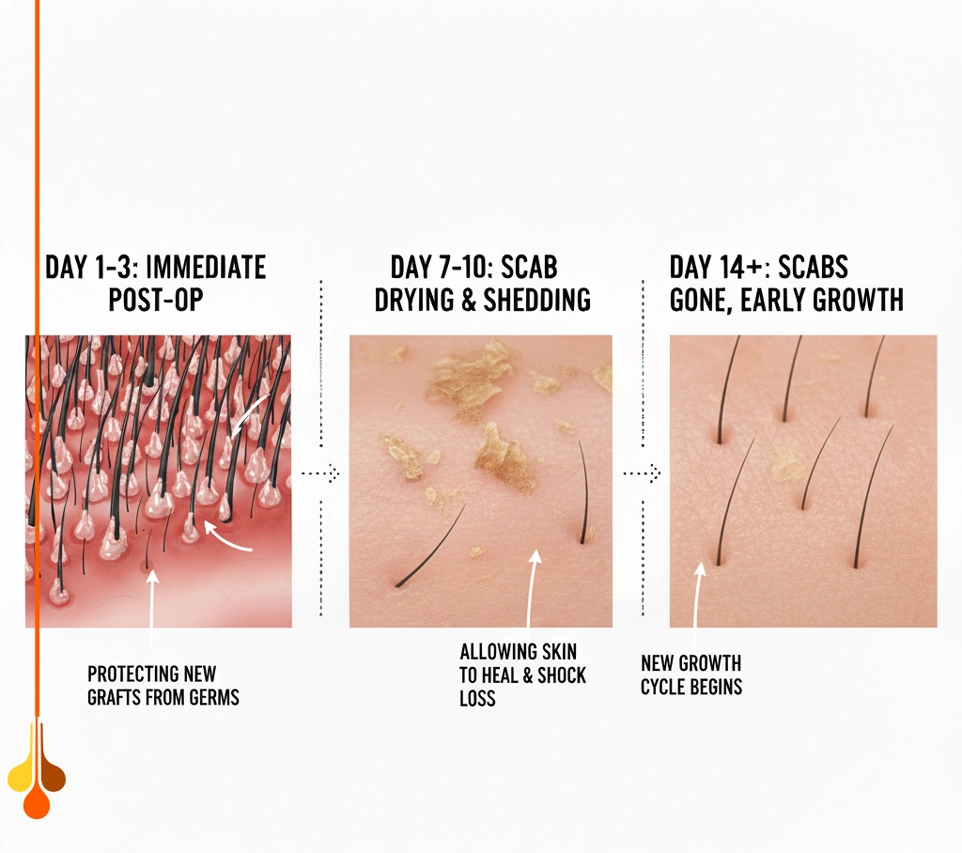
- Post hair transplant scabs serve a key purpose:
- Protect new grafts from germs and infection
- Prevent grafts from getting dislodged
- Allow skin underneath to heal properly
- They usually appear the day after surgery, starting pink or moist.
- Within a few days, they dry out and turn crusty.
- Completely normal part of recovery—no need to worry.
How Long Do the Scabs Usually Last?
No two people heal exactly the same, but there’s a rough schedule most folks follow. The scabs tend to be at their peak the first week, then they slowly loosen and clear away somewhere between day 10 and day 14.
By 7 days after the transplant, the scabs are usually drier and might start to shrink or flake a little. The soreness should also be easing up. By 3 weeks, it’s unusual to have scabs still stuck tightly—most of them should be gone by then. Taking gentle care every day helps the healing process without pushing things too fast.
When Do the Scabs Actually Fall Off—and How?
| Aspect | Details |
|---|---|
| Natural Timeline | Usually starts around day 7–8 (sometimes a bit later) |
| How It Happens | Scabs soften and come away on their own during gentle washing or daily activities |
| What You Might Notice | Small pieces flaking off in the sink or throughout the day |
| Safe Way to Help | Use a soft shampoo with light fingertip circles—no scrubbing |
| What to Avoid | Never pick, peel, or scratch |
| Why Avoid Forcing Them | Pulling early can disturb grafts and cause patchy or uneven growth |
| Best Approach | Let nature take its course—patience pays off for better results |
Is It Normal for Hair to Fall Out with Scabs?
This question comes up constantly, and the answer is usually yes—it’s fine. When hair transplant scabs falling off with hair happens, what you’re losing is almost always just the transplanted hair shaft, not the living root underneath.
That shaft was already on its way out anyway; it’s common “shock loss” while the follicle resets for fresh growth a few months down the line. Unless huge chunks are coming away or the area looks angry and sore, it’s nothing to worry about. Most people notice this around the second week and then things quiet down.

Hair Transplant Scar | How to Get Hair Restoration Without Visible Marks
What You Really Shouldn’t Do While the Scabs Are There
A few simple no-nos can make the difference between smooth healing and unnecessary drama:
- Hands off—no scratching or picking, even if the itch drives you nuts.
- Wash gently: cool water, mild shampoo, no hard rubbing.
- Keep the sun off it and skip tight caps or helmets that press or rub.
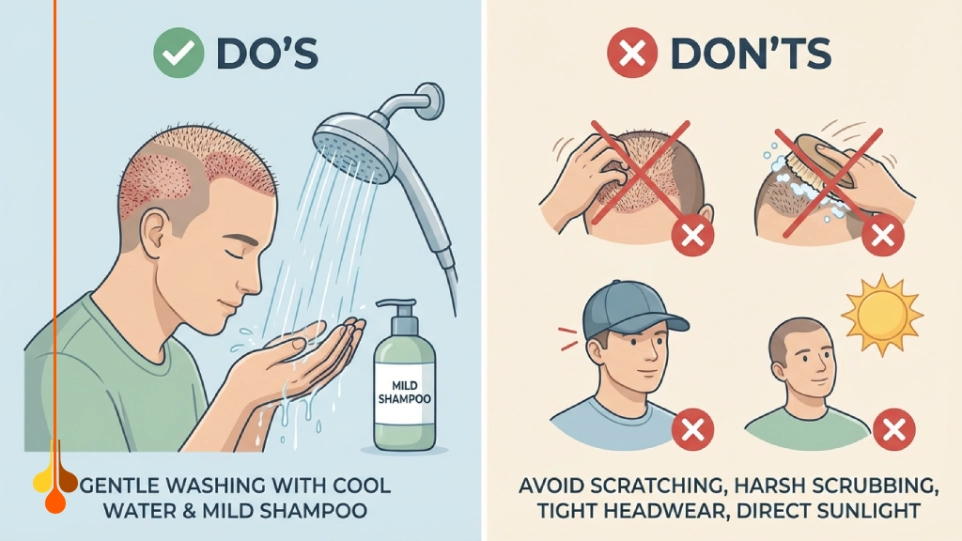
Avoiding these little temptations protects everything you just paid for. Need a routine that fits your exact case? Give your doctor’s office a ring—they’ll sort you out with tips made just for you.
When It’s Time to Actually Get Concerned
Most recoveries go smoothly, but you should watch for some warning signs. If the scabs are still thick and stuck after three weeks, or if you notice thick fluid, worsening swelling, bad smells, or a fever, those could be signs something’s wrong.
Sharp pain that ramps up instead of fading, or any fresh bleeding after the first few days, deserves attention too. If anything like that shows up, call your clinic right away. Catching it early stops small problems turning into real headaches.
Feeling unsure?
Schedule a quick check-in with your clinic
A Quick Recap
Hair transplant scabs are temporary, they’re helpful, and they’ll be gone before you know it. If what you’re experiencing lines up with the usual timeline, chances are you’re doing great.
Everyone’s scalp is a little different though, so if your gut says something’s off, listen to it. A quick word with the pros can make all the difference.
If you want to be sure your recovery is heading the right way, Schedule that follow-up visit with your hair transplant team soon. Peace of mind is priceless when you’re waiting for those new hairs to come in!