





- A hair transplant is generally not painful; most discomfort comes only from brief anesthetic pinpricks at the start.
- During the procedure, patients feel pressure or movement—not sharp pain—and often relax or sleep.
- Recovery discomfort is usually mild, described as tightness or a sunburn-like feeling for 1–3 days.
- Modern FUE/DHI techniques greatly reduce trauma compared to old hair plug methods.
- With proper aftercare, pain fades quickly and serious discomfort is uncommon.
Deciding to restore your hair is a big move, and it’s completely natural to have one major question on your mind: is hair transplant painful? Most people aren’t afraid of the new hair—they’re afraid of the “how.”
If you’ve been scrolling through forums wondering if hair transplants hurt, you’ve likely seen a mix of stories. The truth is that while “surgery” sounds intense, the modern experience is designed to be surprisingly chill. Let’s walk through the sensations, the science of the numbing, and what you’ll actually feel when you’re in the chair.
The Honest Truth: Do Hair Transplants Hurt?
If you’re looking for the short answer: does hair transplant hurt? No, not in the way most people imagine.
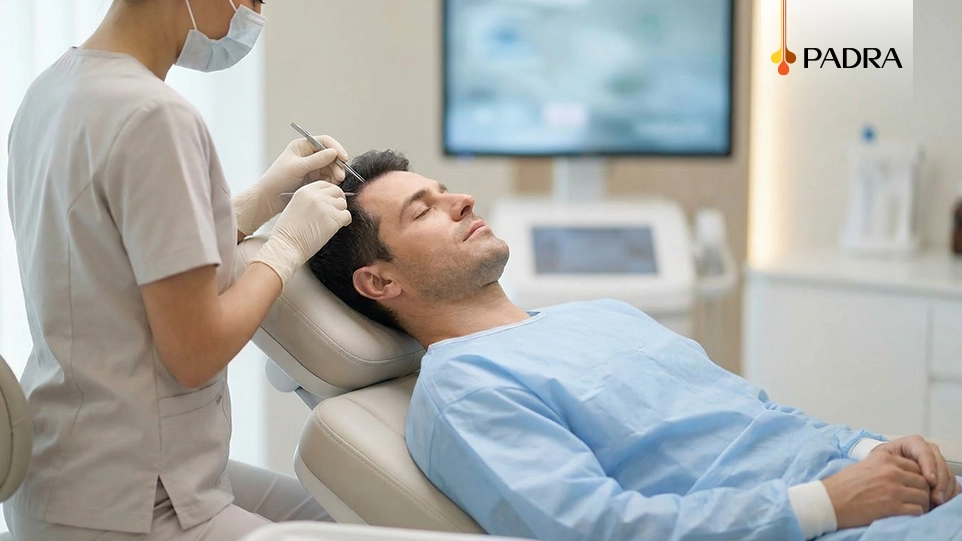
Modern hair restoration is a surface-level procedure. Unlike major surgeries that involve deep tissue, this happens just a few millimeters into the skin. Once the area is prepared, you won’t feel any sharp pain. Most patients describe the sensation as a bit of “pressure” or “movement” on the scalp, but it’s more like a long, somewhat boring day at the dentist than a painful ordeal. In fact, it’s quite common for patients to catch up on a Netflix series or even drift off to sleep while the team works.
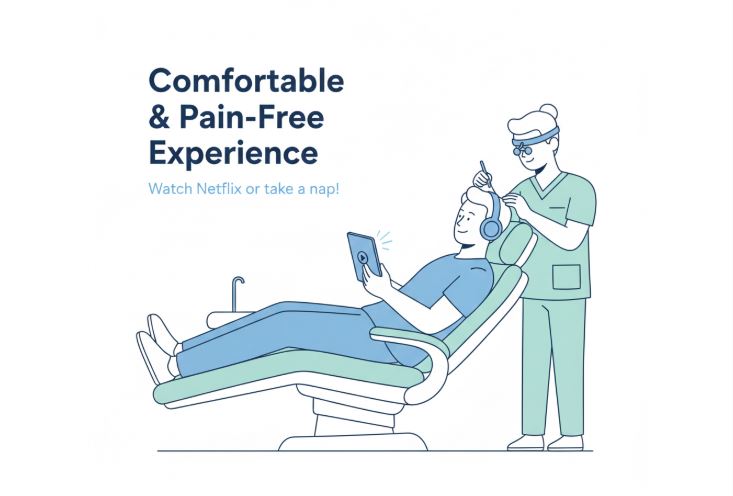
The Numbing Phase: The Only Part You’ll Actually Feel
The most “active” part of the day for your nerves is the very beginning. To ensure you don’t feel anything during the hours of extraction and placement, the doctor uses hair transplant anesthesia.
So, is hair transplant surgery painful at the start? You will feel a few quick pinpricks as the local anesthetic is administered. It’s a stinging sensation that lasts about 10 to 20 seconds per area. Once the hair transplant anaesthesia kicks in—which happens almost instantly—the entire top of your head will feel heavy and completely “frozen.” From that point on, you are in a “pain-free zone.”
Pro Tip: Many modern clinics now use “needle-free” injection systems that use high-pressure air to deliver the numbing agent. If you have a phobia of needles, this makes the start of the procedure virtually effortless.
Are You Put to Sleep for a Hair Transplant?
A very common worry is whether you are put to sleep for a hair transplant. Usually, the answer is no. Most procedures use local anesthesia combined with a light oral sedative if you’re feeling extra anxious.
Why not general anesthesia? Because being awake is significantly safer, and it allows you to reposition yourself or take bathroom breaks during the day. You’ll be conscious and able to chat with the staff, but you’ll be so relaxed that the time usually flies by.
Still feeling nervous about the “awake” factor? Let’s walk through our relaxation protocols together—book a call here.
Why Modern FUE is Nothing Like “Hair Plugs”
If you’re worried about hair plugs having a painful reputation, you’re thinking of the 1980s. Back then, doctors took large “plugs” of skin out, which was invasive and left a lot of soreness.
Today’s techniques (like FUE or DHI) use micro-tools that are smaller than a millimeter. Because the “entry points” are so tiny, the trauma to your skin is minimal. This is why people can often go back to work within a few days—the “old school” pain is a thing of the past.
What to Expect During Recovery: The “Sunburn” Phase
Once the hair transplant anesthesia wears off in the evening, you’ll start to feel your scalp again. So, do hair implants hurt during recovery?
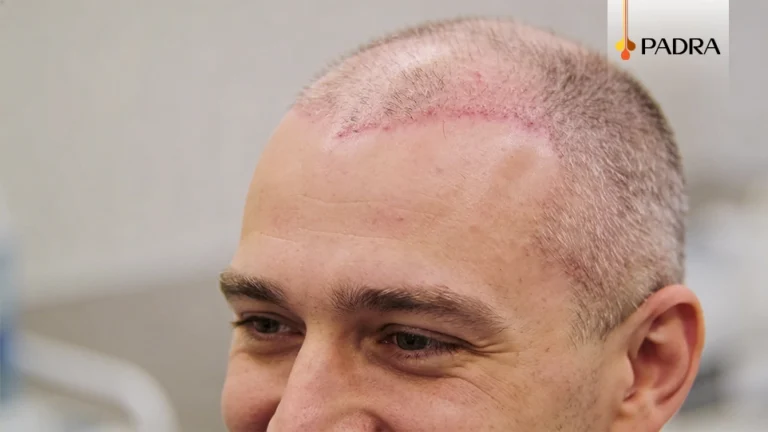
Most patients describe the first 48 hours as a feeling of “tightness” or a mild sunburn. Your scalp might feel tender to the touch or a bit “full” due to the numbing fluids used during the day. It’s rarely what people would call “acute pain.” Usually, standard over-the-counter pain relief is all you need to sleep soundly on that first night.
The Comfort Roadmap: A Supplemental Guide to Your Experience
To give you a better “behind-the-scenes” look, here is a value-added breakdown of the comfort levels you can expect from start to finish.
The 7-Day Comfort Timeline
| Phase | What You Feel | Comfort Level |
|---|---|---|
| The Injections (Min 1-10) | Quick pinpricks/stinging. | 3/10 (Brief) |
| During the Surgery | Pressure, tugging, but zero pain. | 1/10 (Relaxing) |
| The First Night | Tightness, “sunburn” sensation. | 2/10 (Manageable) |
| Days 3 to 5 | Itching and mild swelling. | 2/10 (Annoying) |
| Day 7 | Scalp feels normal; scabs begin to flake. | 0/10 (Healed) |
So you can read the article which about Hair Transplant One Month: What to Expect After 30 Days, to be sure about the result of hair transplantation.
Valuable Tips for a “Zero-Stress” Procedure Day
- Eat a Solid Breakfast: Since you aren’t being “put to sleep,” you don’t need to fast. A good meal helps keep your blood sugar steady through the long day.
- Wear a Zip-Up Hoodie: Avoid anything you have to pull over your head. You don’t want to accidentally “tug” on your new grafts when changing clothes!
- The “Head-Up” Rule: For the first three nights, sleep with two or three pillows. This prevents the fluid from draining toward your face, which is the main cause of post-op discomfort and swelling.
- Spray, Don’t Scrub: Your clinic will give you a saline spray. Use it! It keeps the skin hydrated and significantly reduces the “itchy” feeling that comes with healing.
Better to know about Managing Itchy Skin
Itchy skin (pruritus) is often a sign that your skin’s natural barrier is struggling. While hair treatments are effective, the ingredients used to help them absorb can sometimes strip away the protective oils on your scalp. When this moisture barrier is broken, your skin becomes dry, tight, and easily irritated.
How to Protect Your Scalp
To maintain progress without the discomfort, focus on barrier repair. Keeping your scalp hydrated ensures that your hair follicles stay in a healthy environment for growth.
- Look for Hydrators: Use products with Niacinamide or Aloe Vera to soothe redness and rebuild the skin’s defense system.
- Cool Down: Wash your hair with lukewarm water. Hot water further dries out the skin and worsens itching.
- Be Consistent: Don’t scratch. Physical irritation can damage the skin further and lead to infection.
While a mild itch is common during the adjustment phase, persistent irritation should not be ignored. If you notice a spreading rash, extreme swelling, or a burning sensation, it may indicate a sensitivity to a specific ingredient. In these cases, consulting a specialist is the best way to adjust your routine and protect your long-term scalp health.
Final Thoughts: Is It Worth It?
The fear of pain is almost always the biggest hurdle for people considering a hair transplant. But once the procedure is over, the most common thing we hear is: “I can’t believe I waited this long because I was scared.”
If you can handle 60 seconds of a “dentist-style” sting at the start of the day, the rest of the process is about as low-stress as it gets. The temporary “sunburn” feeling of the first few days is a small price to pay for a lifetime of confidence and a full head of hair.