




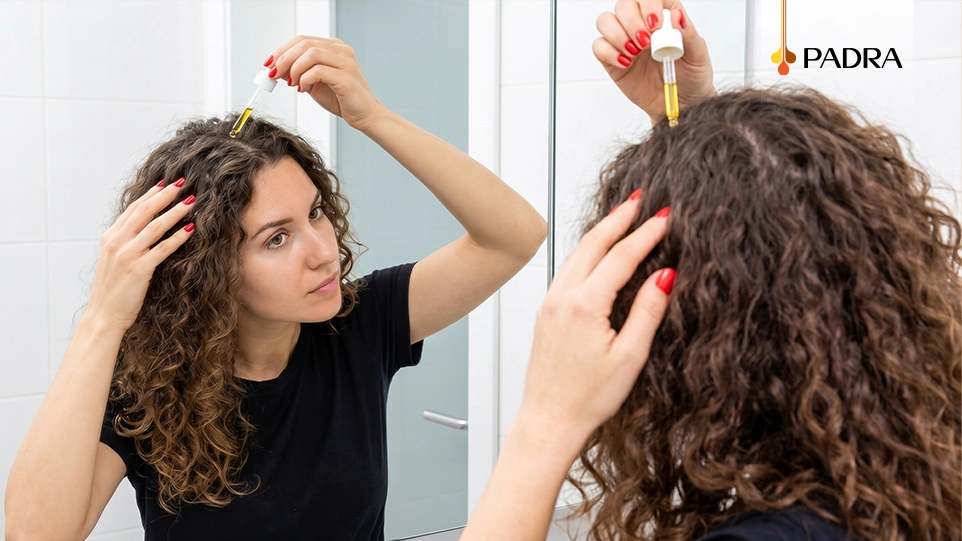
If you have natural hair, there is a good chance you have wondered at some point why your hair does not seem to be growing. You moisturize, you try protective styles, you stay consistent with oils and leave ins, yet the length does not always reflect the effort.
In many cases, the issue is not that hair is failing to grow from the scalp. It is that the growth is not being retained.
Curly and coily textures are naturally more vulnerable to dryness, tangling, and breakage. And when those factors are left unaddressed, they quietly erase progress. This is where the search for the best hair growth oil for natural hair usually begins.
The best hair growth oil for natural hair depends on your curl pattern, porosity, scalp condition, and whether your main goal is growth, moisture, or length retention. Castor oil, rosemary oil, jojoba oil, coconut oil, argan oil, and grapeseed oil are popular options for supporting scalp health, reducing breakage, and helping natural hair look fuller.
Growth vs Length Retention: Why Natural Hair Needs a Different Approach
Hair growth and visible length are not always the same thing.
Natural hair can be growing at a normal rate while still appearing stagnant. The reason is simple: breakage is happening at nearly the same pace as growth.
With curly and coily textures, the bends and twists along the hair shaft make it harder for natural scalp oils to travel from root to tip. That means the ends are often drier, more fragile, and more prone to splitting.
Over time, this creates a cycle where progress is invisible. The hair is growing, but it is also breaking.
This is why length retention, not just growth stimulation, becomes the real goal for most people with natural hair.
Stimulating the Scalp vs Sealing Moisture
Hair oils are often treated as one category, but in natural hair care they usually serve two very different functions.
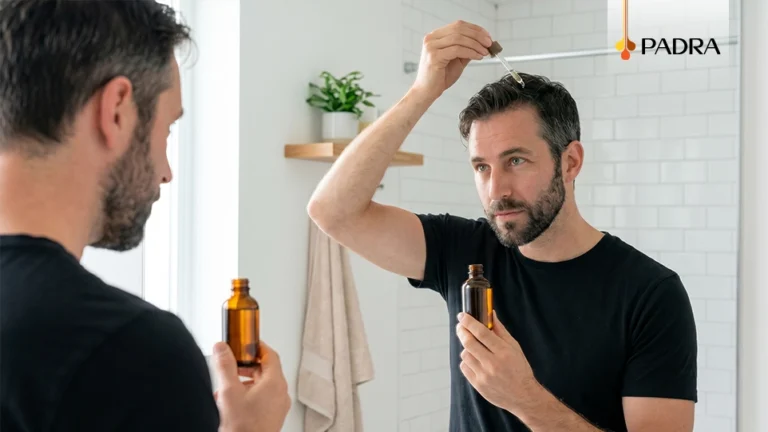
Scalp stimulation focuses on the follicle environment. Oils used in this context are typically lightweight or diluted essential oils applied directly to the scalp. Rosemary oil is one of the most commonly discussed options here, often included in scalp massage routines. Peppermint oil also appears in similar formulations.
These oils are not magic growth accelerators. Instead, they are used to support a healthy scalp environment, which may indirectly support healthy growth conditions.
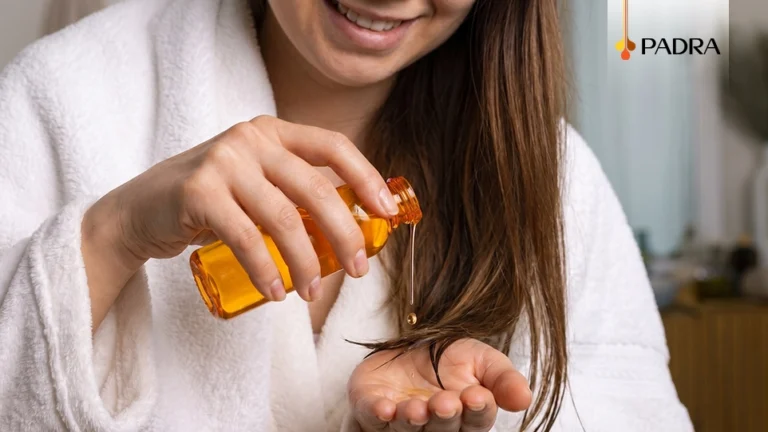
Sealing moisture, on the other hand, focuses on the hair shaft. This is where oils play a much more visible role in day to day hair appearance. After water based hydration, oils help reduce moisture loss, which can improve softness, manageability, and reduce breakage.
For natural hair, this second role is often more impactful. Retaining moisture often means retaining length.
Book a hair loss consultation to determine whether medical treatments or advanced interventions are right for your situation.
Best Oils for Natural Hair Growth and Length Retention
Different oils behave differently depending on texture, porosity, and scalp needs.
Rosemary oil is typically used in diluted form for scalp care routines. Some people report improvements in scalp comfort or density over time, but it should not be treated as a guaranteed solution for hair loss or bald spots.
Castor oil is much heavier and is often favored by people with thick, dry, or high porosity hair. It helps coat the hair and reduce moisture loss, which can be useful for minimizing breakage. However, it may feel too heavy for finer textures.
Jojoba oil stands out because of its light texture and similarity to the skin’s natural sebum. It is often used for both scalp and strand care, especially when buildup is a concern.
Coconut oil is frequently used as a pre poo treatment. It can help reduce protein loss during washing, though some hair types find it too heavy or even drying with repeated use.
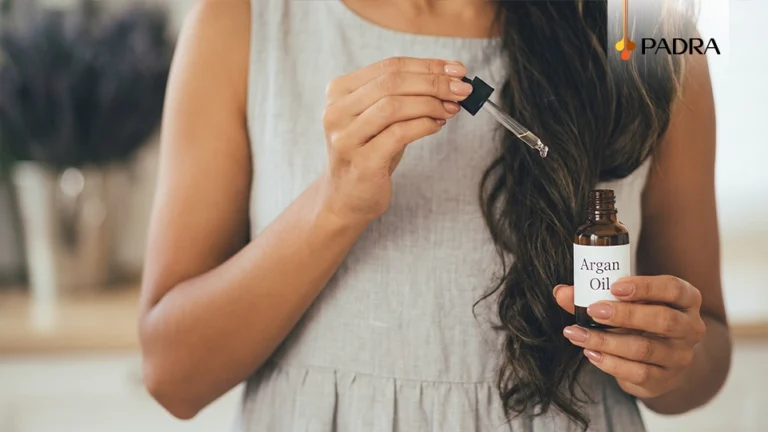
Argan oil is lighter and often chosen for softness, shine, and frizz control. It works well for dry or damaged natural hair without feeling overly greasy.
Grapeseed oil is one of the lightest sealing oils and is often preferred by people with fine curls or low density hair who want moisture retention without heaviness.
Best Oil for Curly Hair Growth
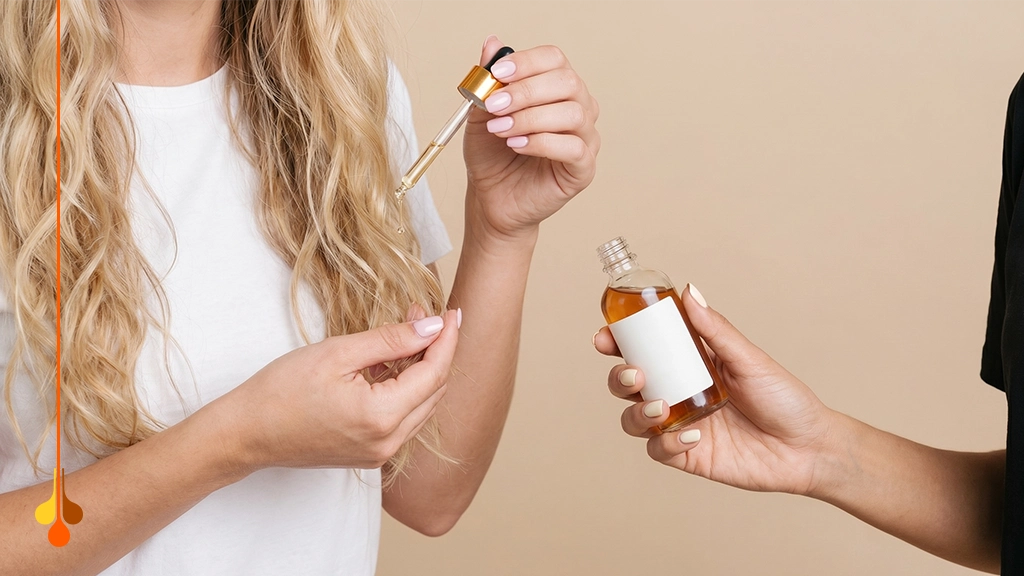
When people search for the best oil for curly hair growth, they are usually looking for something that supports definition while preventing dryness and breakage.
In practice, curly hair tends to respond best to lightweight oils that do not disrupt curl pattern or cause buildup. Jojoba oil, grapeseed oil, and argan oil are often better tolerated in these cases.
Some people also incorporate diluted rosemary oil into scalp routines, but the focus is less on direct growth stimulation and more on maintaining a healthy scalp environment.
The real driver of visible progress is often not faster growth, but reduced breakage.
Best Oil for Coily Hair Growth
Coily hair has different structural needs. The tighter the curl pattern, the harder it becomes for natural oils to travel down the strand. This is why dryness is often more persistent in 4A, 4B, and 4C textures.
Heavier oils like castor oil are commonly used because they help lock in moisture and reduce brittleness. Coconut oil may also be helpful in certain routines, especially as a pre wash treatment.
Argan oil and jojoba oil can still play a role, especially when balancing moisture without excessive heaviness.
In coily hair, the central goal is rarely just scalp stimulation. It is sustained moisture retention and protection against breakage.
Best Oils by Hair Porosity
Porosity often determines how well an oil performs. Low porosity hair tends to resist product absorption, so lighter oils like jojoba, grapeseed, and argan usually work better. Heavy oils can sit on the surface and create buildup without improving moisture balance.
High porosity hair loses moisture quickly and often benefits from richer sealing oils. Castor oil and coconut oil are commonly used in this case, often alongside layered hydration routines.
Understanding porosity often explains why one oil works beautifully for one person and poorly for another.
How to Use Hair Growth Oil for Natural Hair
Oil works best when it is used as a sealant rather than a standalone moisturizer.
Applying oil after a water based moisturizer helps lock in hydration. Using it before moisture is usually less effective for dryness.
Scalp oils should be used sparingly. More is not better here, especially for sensitive scalps or fine hair textures. Pre poo oiling can also be helpful before shampooing, particularly for dry or chemically treated hair.
Consistency matters more than quantity, and gentle handling often makes a bigger difference than any single product.
Essential Oils: Safety, Dilution, and Patch Testing
Essential oils like rosemary and peppermint require careful handling.
They should always be diluted in a carrier oil before applying to the scalp. Direct application can lead to irritation, burning, or sensitivity, especially on already inflamed scalps.
Patch testing is strongly recommended before regular use. If redness, itching, or discomfort appears, discontinuing use is the safest option.
When Hair Growth Oil Is Not Enough
There are situations where oils alone are not sufficient.
If you are experiencing bald patches, sudden or severe shedding, postpartum hair loss, scalp inflammation, a receding hairline, thinning at the crown, or visible widening of the part, the underlying cause may go beyond dryness or breakage.
In these cases, professional evaluation becomes important. A dermatologist or trichologist can help identify whether the issue is related to hormonal changes, alopecia, nutritional deficiencies, or other medical conditions.
In some situations, clinical options may be considered, including Minoxidil, PRP therapy, Mesotherapy, or hair transplant evaluation depending on diagnosis and follicle health.
If your hair loss is persistent or progressive, a professional consultation is the most reliable next step.

Hair Oils vs Clinical Hair Loss Treatments
Hair oils and medical treatments serve different purposes and should not be confused.
Oils primarily support moisture retention, scalp comfort, and reduced breakage. They are part of maintenance and care, not medical intervention.
Minoxidil targets specific types of hair loss by influencing the growth phase of follicles. PRP therapy and mesotherapy are sometimes used to support weakened follicles in selected cases. Hair transplantation is generally considered when follicles are no longer active.
Choosing the right path depends entirely on diagnosis, not assumption
Final Thoughts: What Is the Best Hair Growth Oil for Natural Hair?
The best hair growth oil for natural hair is not a single product. It is a match between your hair’s needs and how each oil behaves on your texture.
Rosemary oil may support scalp care routines. Castor oil may help with sealing and dryness. Lighter oils like argan, jojoba, and grapeseed may work better for curls that need moisture without weight.
But the most important shift is this: natural hair progress is not only about growth. It is about retention.
When moisture is maintained, breakage is minimized, and handling is gentle, hair often reveals length that was already there.