


PRP (Platelet Rich Plasma) has become one of the more common options for treating hair thinning, mainly because it uses a person’s own blood. That detail makes it sound almost effortless or completely harmless. In practice, it is still an injectable medical procedure, and like any treatment involving needles, the body can react in different ways.
Most people go through PRP sessions without any major issues, but it is still normal to notice some temporary changes in the scalp afterward. These reactions are usually mild and short lived, especially within the first few days.
PRP side effects are usually mild and temporary. The most common reactions include pain, tenderness, swelling, redness, bruising, itching, headache, or temporary skin discoloration at the injection area. Serious complications are rare, but infection, prolonged swelling, severe pain, fever, or unusual discharge should be checked by a medical professional.
Why PRP can still cause side effects
Even though hair PRP comes from your own blood, the treatment process itself is what creates most of the reactions. Blood is drawn, processed, and then injected back into the scalp in small amounts across multiple areas.
The scalp is quite sensitive. It contains a dense network of nerves and blood vessels, so even shallow injections can cause temporary inflammation. This is not a sign of damage in most cases it is simply the body responding to controlled micro injury, which is part of how PRP is supposed to stimulate healing.
Another important point is that every person reacts differently. Some feel only mild discomfort, while others are more sensitive and notice swelling or headache afterward.
Common PRP side effects after hair treatment
The most frequently reported PRP hair treatment side effects are generally mild and expected. Pain during or shortly after the procedure is probably the most common one. It usually feels like a tight or sore sensation rather than sharp pain.
Scalp tenderness can last for a day or two, especially when touching or washing hair. Mild swelling and redness around injection points are also normal and tend to fade gradually. Some people develop small bruises, which look worse than they feel and usually disappear within a few days.
Itching can happen during healing, and in some cases, patients report a mild headache after the session. None of these reactions are unusual on their own, especially after multiple injections in a sensitive area like the scalp.
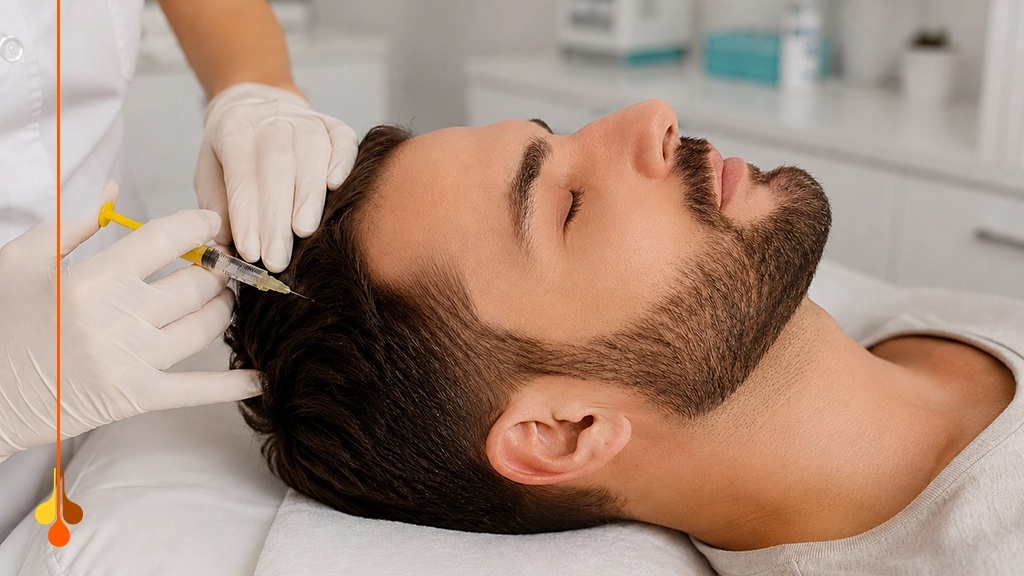
PRP Side Effects: Normal Reactions vs Warning Signs
A lot of anxiety around PRP comes from not knowing what is “normal” and what is not. The table below helps separate the two.
One of the biggest concerns people have after PRP is knowing whether what they are experiencing is a normal part of recovery or a sign that something may be wrong. Because PRP involves multiple injections into a sensitive area of the scalp, some degree of discomfort is expected during the first few days.
In most cases, mild tenderness, redness, swelling, itching, or even a temporary headache are simply signs that the scalp is responding to the procedure. These reactions are usually short lived and should gradually improve rather than worsen. The exact recovery experience can vary from person to person depending on scalp sensitivity, the number of injection sites, and individual healing responses.
The important thing to watch for is the overall direction of symptoms. Normal PRP side effects tend to become less noticeable each day. Warning signs, on the other hand, often become more intense, spread beyond the treatment area, or are accompanied by symptoms such as fever or unusual discharge.
The table below can help distinguish between expected post treatment reactions and symptoms that may require medical attention.
| Symptom | Usually normal | When to be concerned |
| Mild tenderness | Yes | If it becomes severe or gets worse |
| Mild swelling | Yes | If it spreads or lasts too long |
| Redness | Yes | If it becomes hot, painful, or expands |
| Itching | Often normal | If it becomes intense or rash-like |
| Headache | Sometimes | If persistent or very strong |
| Discharge or pus | No | Needs medical attention |
| Fever | No | Needs medical attention |
While the table provides a quick reference, it should not replace professional medical advice. If you are ever unsure whether a symptom is part of the normal healing process, it is safer to contact your provider and discuss your recovery. Early evaluation can help rule out complications and provide reassurance when symptoms are actually part of a typical recovery timeline.
A simple rule to remember is that normal PRP side effects usually improve over time, while potential complications tend to worsen, spread, or be accompanied by signs of infection. When in doubt, seeking medical guidance is always the safest approach.
If you are considering PRP for hair loss and want a personalized evaluation of potential benefits, risks, and alternative options, speaking with an experienced hair restoration specialist is the best next step.
Rare but more serious PRP injection risks
Serious PRP injection risks are uncommon, but they deserve attention because they require medical evaluation when they happen.
Infections are the main concern, usually linked to poor hygiene or improper aftercare. Excessive bleeding is rare but may occur in people taking blood thinning medications. Some patients may also experience prolonged swelling or unusually strong pain that does not settle in a normal timeframe.
In very rare cases, allergic reactions can happen, but this is usually related to additives used during preparation rather than PRP itself.
Dizziness or lightheadedness may also occur during or shortly after treatment, especially in people sensitive to needles or blood draws.
PRP scalp pain, swelling, and tenderness
Scalp discomfort is one of the most expected PRP therapy side effects. The sensation is usually described as soreness or pressure rather than sharp pain.
Swelling typically appears around injection points and can last one to three days. Tenderness is also common when touching or brushing the hair. This happens because the scalp reacts to multiple micro injections in a concentrated area.
While it may feel uncomfortable, this stage is usually temporary and part of the normal recovery process.
Can PRP cause temporary shedding?
Some patients notice increased hair shedding after PRP sessions. This can feel worrying, especially for someone already dealing with hair loss. In many cases, however, this is temporary.
Hair follicles go through growth cycles, and stimulation can sometimes push weaker hairs out before stronger regrowth begins. This does not automatically mean the treatment is not working.
However, if shedding continues for a long time or becomes noticeably worse, it is worth reviewing the situation with a specialist to rule out other causes.
PRP Before-Care: What to Do Before Treatment
Before starting PRP, doctors usually review medical history to make sure the treatment is safe for the individual. This includes checking for blood disorders, active infections, scalp conditions, or medications that may affect bleeding.
Some patients may be advised to adjust certain medications under medical supervision, especially blood thinners or anti inflammatory drugs. It is important that these decisions are made by a doctor rather than the patient.
PRP Aftercare: How to Reduce Side Effects
Aftercare plays a big role in how the scalp feels after treatment. Most PRP aftercare instructions are simple but important.
Patients are usually advised not to touch or scratch the scalp, especially in the first 24 hours. Washing hair too soon or using harsh products can irritate the skin. Heavy sweating, intense exercise, or heat exposure is often avoided for a short period.
The goal is to allow the scalp to settle without additional irritation.
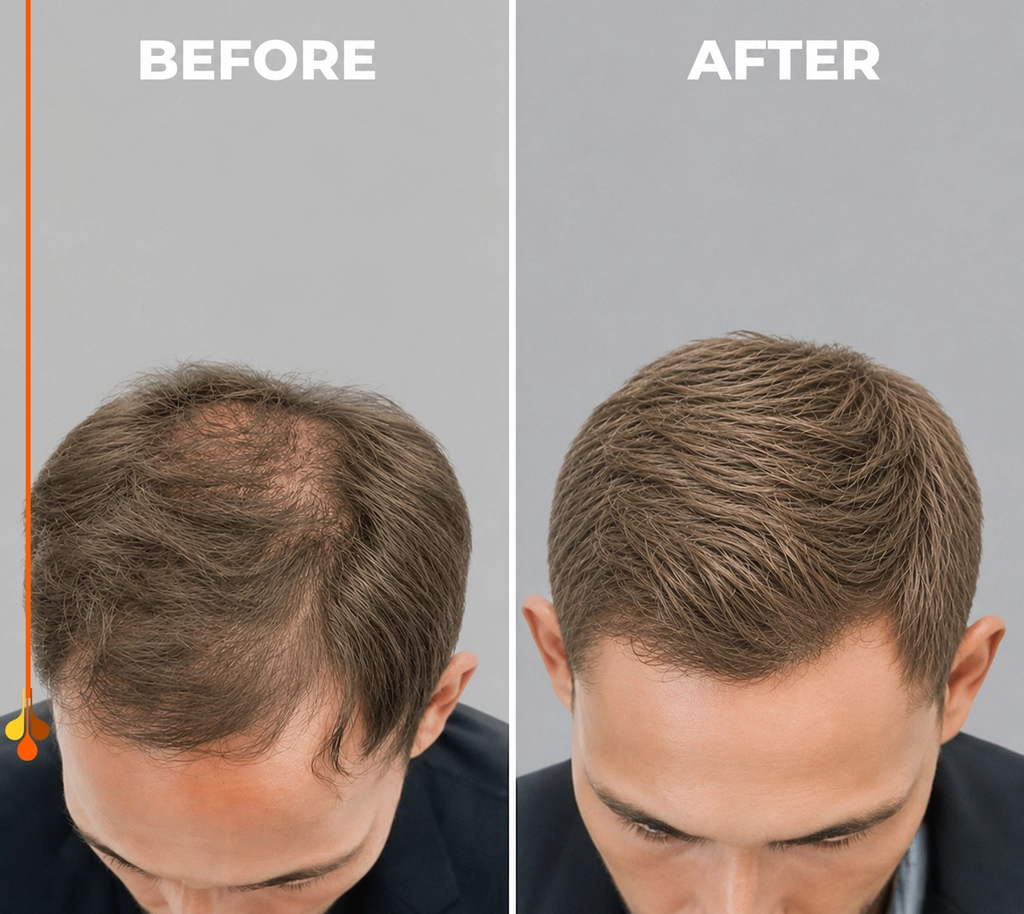
Who Should Avoid PRP?
PRP is not automatically suitable for everyone. People with active infections, significant blood disorders, uncontrolled medical conditions, or certain medication use may need extra evaluation before treatment.
It is also important for patients with unrealistic expectations to understand that PRP supports hair health but is not an instant or guaranteed solution for all types of hair loss.
If you are worried about PRP side effects or unsure whether PRP is suitable for your medical history, a specialist consultation can help assess your scalp, review your medications, and determine the safest treatment approach for your hair loss.
Book Your Hair Loss Consultation
PRP vs Other Hair Loss Treatments: Side Effects and Suitability
PRP is often used alongside other treatments rather than replacing them completely.
Medications like Minoxidil are commonly used to support hair growth in certain types of thinning. In some male patients, Finasteride may be recommended under medical supervision.
Other options such as hair mesotherapy or hair transplant may also be considered depending on the stage and cause of hair loss.
When Should You Call a Doctor After PRP?
Medical attention is needed if symptoms do not follow the expected recovery pattern. This includes fever, pus, spreading redness, severe or worsening pain, prolonged swelling, persistent dizziness, or any signs of allergic reaction.
These cases are uncommon, but they should always be taken seriously.
Final thoughts | Are PRP Side Effects Serious?
Most PRP side effects are temporary and manageable. The experience is usually more uncomfortable than dangerous, and symptoms tend to settle within a few days.
What matters most is understanding the difference between normal recovery reactions and unusual warning signs. With proper technique, appropriate patient selection, and correct aftercare, PRP is generally well tolerated.
It is still a medical procedure, though—not a cosmetic shortcut so awareness and realistic expectations make the whole experience much easier to handle.