
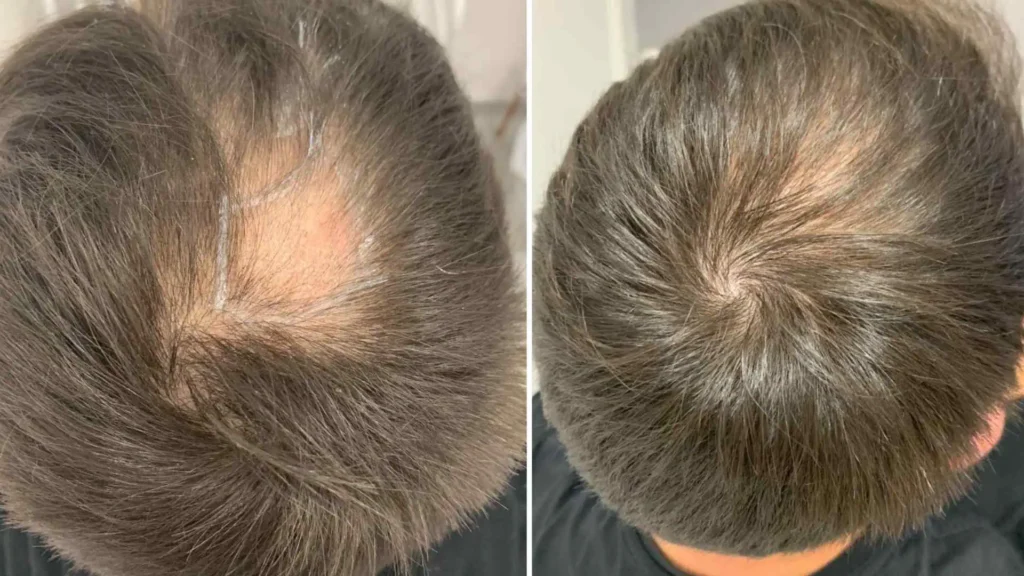
- Can You Get a Hair Transplant with Alopecia? Explains which alopecia types respond well to transplant and why stability matters before surgery.
- Transplant Success Factors: Highlights scalp condition, donor strength, and long-term disease control as key eligibility signs.
- Types of Alopecia Covered: Outlines androgenetic, traction, scarring, and alopecia areata for better candidate filtering.
- When Surgery Is Unsafe: Discusses active inflammation, poor donor area, and autoimmune risk in unstable cases.
- Alternatives & Safe Paths: Summarizes non‑surgical treatments, including corticosteroids, PRP, and ongoing monitoring for recovery.
Living with alopecia often brings long stretches of uncertainty. Many turn toward surgical options, hoping for lasting improvement, and a natural question appears: “Can you get a hair transplant with alopecia?”
The answer is not the same for everyone. Some types of alopecia respond well to transplant surgery, while others tend to resist it or even allow the condition to return in the transplanted areas. Understanding the difference is the first step toward safe decisions and realistic expectations.
Hair restoration is not just about placing grafts. It depends on how active the condition is, whether the donor area is stable, and how the scalp tissues behave over time. A correct diagnosis shapes every decision that follows, much like other medical procedures where timing and stability matter.
What Is Alopecia? (Why It Matters for Hair Transplant)
Alopecia is not a single disorder; it is an umbrella term that covers several patterns of hair loss. Each type carries its own cause and clinical behavior, and these differences explain why some people are eligible for surgical treatment while others are not.
Some forms are driven by hormones. Others arise from inflammation around hair follicles. A few appear after long-term traction or scarring on the scalp. Several types can come and go without warning. Because these conditions do not behave in the same way, transplant surgery must be considered only after learning the exact cause.
Alopecia related to genetic factors, such as androgenetic alopecia, is far more predictable. On the other hand, autoimmune-driven conditions often have a fluctuating course, making outcomes uncertain no matter how skilled the surgeon may be. This is why medical evaluation comes before any surgical plan.
For those researching broader qualifications, a more detailed overview is often found in resources such as the Hair Transplant Candidates guide, which clarifies who typically benefits from surgery and who may require further stabilization first.

Does Hair Transplant Work for Alopecia?
Many patients search for a clear answer to whether a hair transplant works for alopecia, but the outcome depends entirely on the specific diagnosis. In some cases, a transplant can deliver strong, long-term growth. In others, the underlying condition may continue to attack follicles, whether native or transplanted.
Alopecia types driven by hormonal factors tend to welcome transplant procedures because the donor hair is genetically stronger. When the hair loss is patchy, unstable, or autoimmune in nature, surgical treatment becomes more complex. Unpredictable shedding can affect transplanted follicles the same way it affects natural hair, which means the investment may not hold in the long run.
Medical stabilization, long-term monitoring, and a careful review of donor density are essential before moving forward. Many patients with uncertain patterns also explore non-surgical options or consider intermediate treatments to protect hair during waiting periods.
Alopecia Areata Hair Transplant — Is It Recommended?
The question of alopecia areata hair transplant appears frequently, especially among people dealing with patchy or circular bald spots. Alopecia areata is an autoimmune condition in which the body’s own defenses attack hair follicles. These attacks can come in irregular cycles, leaving areas of the scalp smooth and hairless without warning.
This unpredictable activity is what makes transplantation risky.
Even if grafts take root, the autoimmune process can target transplanted hair in the same way it affects native strands. In some individuals, the condition becomes quiet for years, only to return unexpectedly.
Because of these factors, hair transplant surgery is generally not recommended for active alopecia areata. Only individuals with long-term stability, often measured over several years, may be considered. Even then, the procedure requires caution, detailed imaging, and medical clearance to reduce the chance of failure.
Many specialists prefer a medical-first approach involving topical therapy, corticosteroid injections, or systemic treatments to bring the condition under control before revisiting surgical options.
Which Types of Alopecia Can Be Treated with Hair Transplant?
Not all alopecia behaves the same way. Some forms allow stable long-term growth after surgery, while others continue to progress unpredictably.
More suitable for transplant:
- Androgenetic alopecia: The most common pattern of hair loss. Donor hair is genetically resistant and typically grows well after surgery. This group also benefits from additional detail in the Thin Hair Transplant guide, which explains how lower-density donor areas can still produce good results.
- Traction alopecia: When caused by long-term tension, the condition often becomes stable once the source of traction ends. Transplantation can restore permanently thinned areas if scarring is minimal.
Potentially suitable, but with caution:
- Scarring alopecia: Selected cases may qualify, but they require inactive disease, healthy tissue, and thorough assessment.
Usually not suitable:
- Alopecia areata: Due to its autoimmune behavior and unpredictable cycles, transplantation is rarely advised unless long-term stability is documented.
These distinctions help prevent failed results. Individuals with borderline cases often consult the Hair Transplant Using Body Hair resource to understand whether additional donor sources may be considered if the scalp area is compromised.
Why Some Alopecia Patients Are NOT Good Candidates
Several factors can remove eligibility for transplantation, even when hair loss seems mild. The most common reasons include:
Active inflammation
Any ongoing inflammation can weaken graft survival and affect healing.
Unstable hair loss
Patchy shedding or sudden changes often indicate underlying activity that may continue after surgery.
Weak or insufficient donor areas
If the donor region shows signs of thinning, the grafts may not hold firmly after extraction. Patients can explore the Poor Hair Transplant guide for more context on donor limitations.
Autoimmune activity
Conditions such as alopecia areata or lupus-related hair loss can attack transplanted follicles.
Attempting surgery without addressing these factors leads to poor growth, wasted grafts, or even increased shedding through shock to already fragile follicles.
Can Someone with Alopecia Get a Hair Transplant After Stabilization?
Many patients wonder: Can someone with alopecia get a hair transplant after the condition stabilizes? In certain situations, yes. Stability changes the entire outlook.
Long-term remission, consistent medical reports, and a stable donor area often create favorable conditions for carefully planned transplant surgery. However, stabilization alone does not guarantee success. The scalp must show predictable behavior over time, and the transplanted hairs must not be at risk of renewed inflammatory activity.
Surgeons may review medical history, dermoscopic images, blood markers, and response to earlier treatments. In some cases, a small test area may be transplanted first to evaluate growth patterns before moving to a full session.
Even with stabilization, some degree of risk remains, especially in autoimmune forms of alopecia. The goal is to reduce those risks through measured planning and ongoing follow-up.
Risks of Hair Transplant in Alopecia Patients
Every surgical procedure carries potential complications, but alopecia patients face particular concerns that require honest discussion.
Recurrence of hair loss: If the underlying condition becomes active again, transplanted follicles may shed just like native hair.
Graft failure: Inflamed scalp tissues, reduced blood supply, or autoimmune activity can lower the survival rate of transplanted grafts.
Poor growth: In certain alopecia types, even surviving grafts may produce weaker or thinner strands.
Worsening inflammation: Surgical trauma may trigger local inflammation in sensitive scalps, especially in scar-prone conditions.
Transparent communication helps individuals understand why experienced surgeons may decline surgery until stability is proven.
Alternatives to Hair Transplant for Alopecia
When transplantation is not the right option, several non-surgical treatments can help manage symptoms or stimulate regrowth. According to these alternatives, you can choose your treatment.
- Medical therapy
- Corticosteroids
- PRP therapy
- Monitoring and lifestyle adjustments
Topical or oral medications can slow progression and support partial recovery. In alopecia areata, targeted injections or topical forms help calm immune activity around the follicles. In selected cases, platelet-rich plasma may support healthier growth when used alongside medical management. Keeping inflammation under control and supporting scalp health can help maintain existing hair.
Resources like the Shock Loss After Hair Transplant guide are also valuable for those concerned about temporary shedding linked to stress or inflammation.
Final Thoughts — Not All Alopecia Is Treatable with Hair Transplant
The central question—can you get a hair transplant with alopecia—cannot be answered with a simple yes or no. The path depends on the type of alopecia, how active it is, the strength of the donor area, and whether the scalp has reached long-term stability.
Some individuals become excellent candidates after proper diagnosis and medical management. Others may need to avoid surgery entirely to protect their donor hair and prevent unnecessary disappointment. A careful evaluation ensures that grafts are used wisely and that long-term results remain predictable.
Accurate diagnosis and scalp stability remain the two most important factors. With them, the outlook becomes clearer. Without them, even the most advanced techniques cannot guarantee success.